
Last updated October 17, 2026
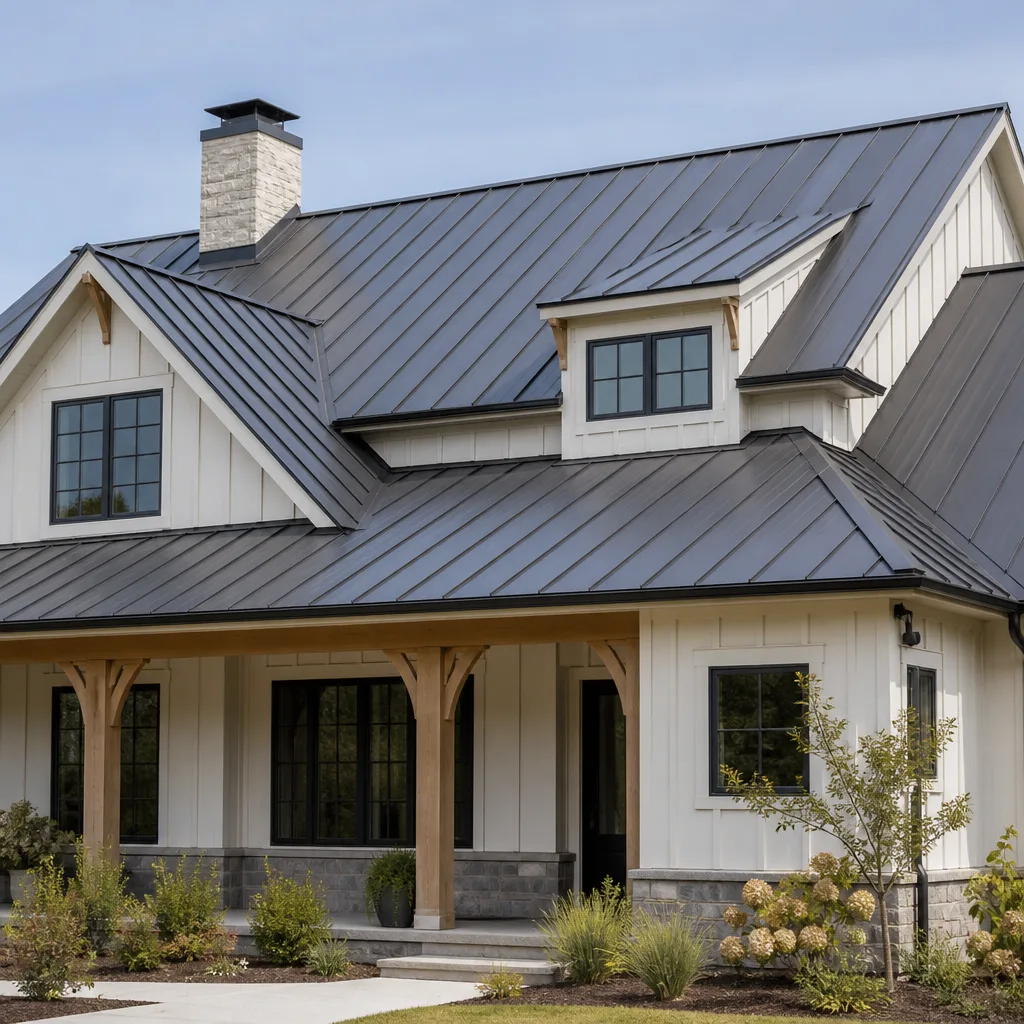 Metal roofing
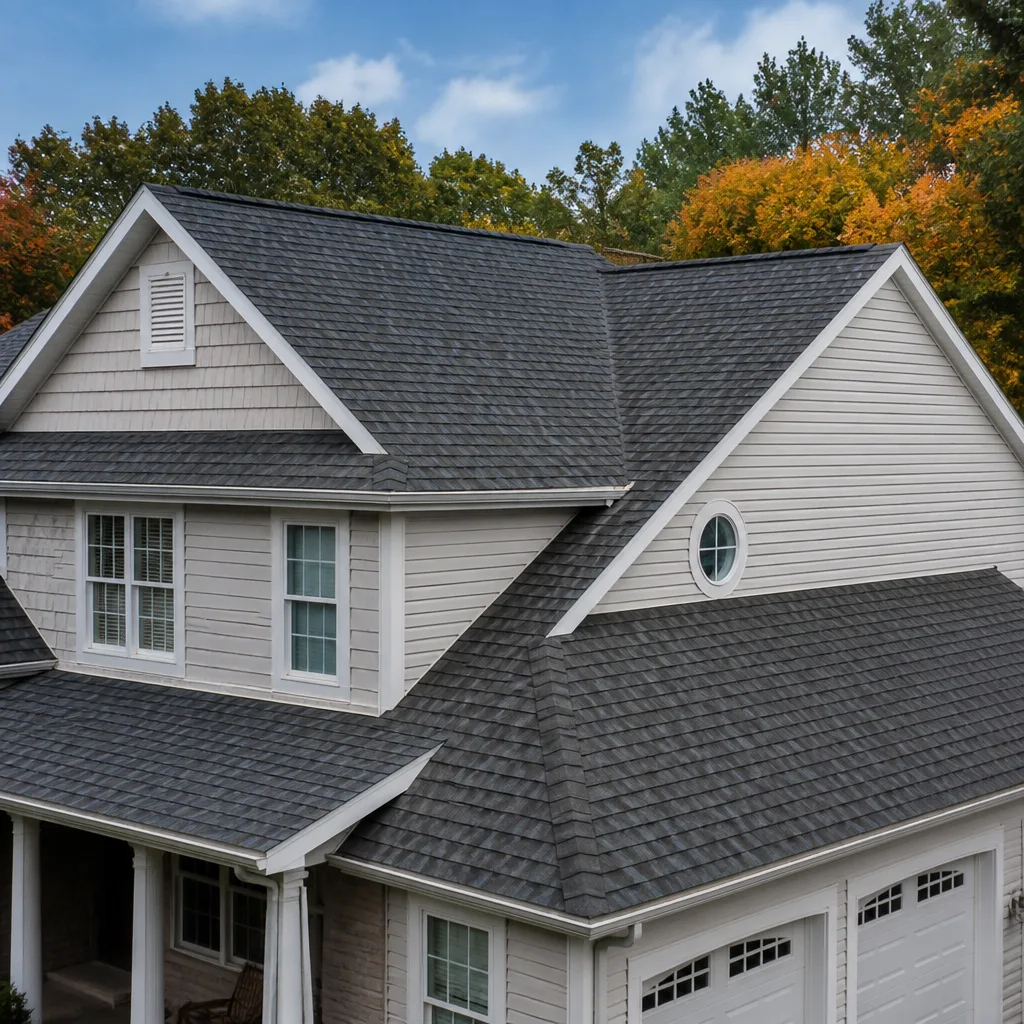 Architectural shingles
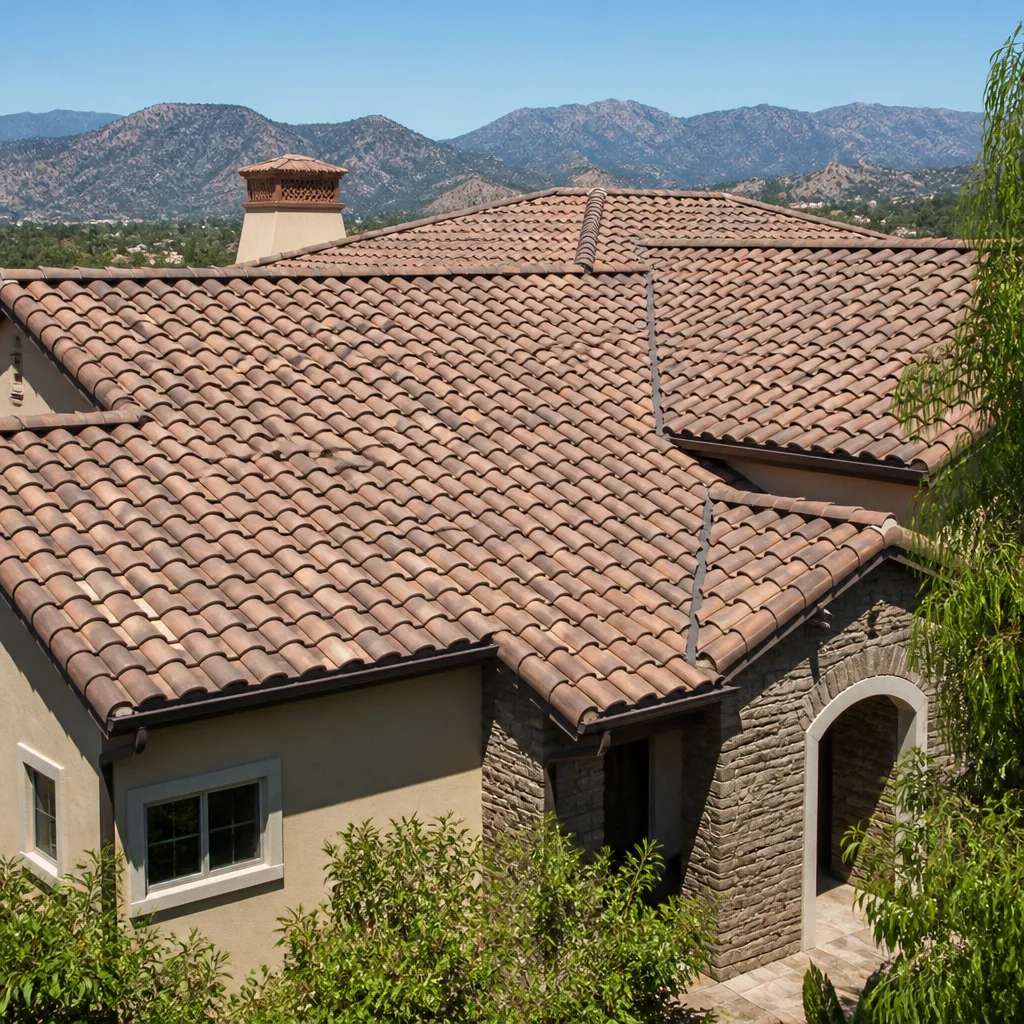 Tile roofing
 GAF
GAF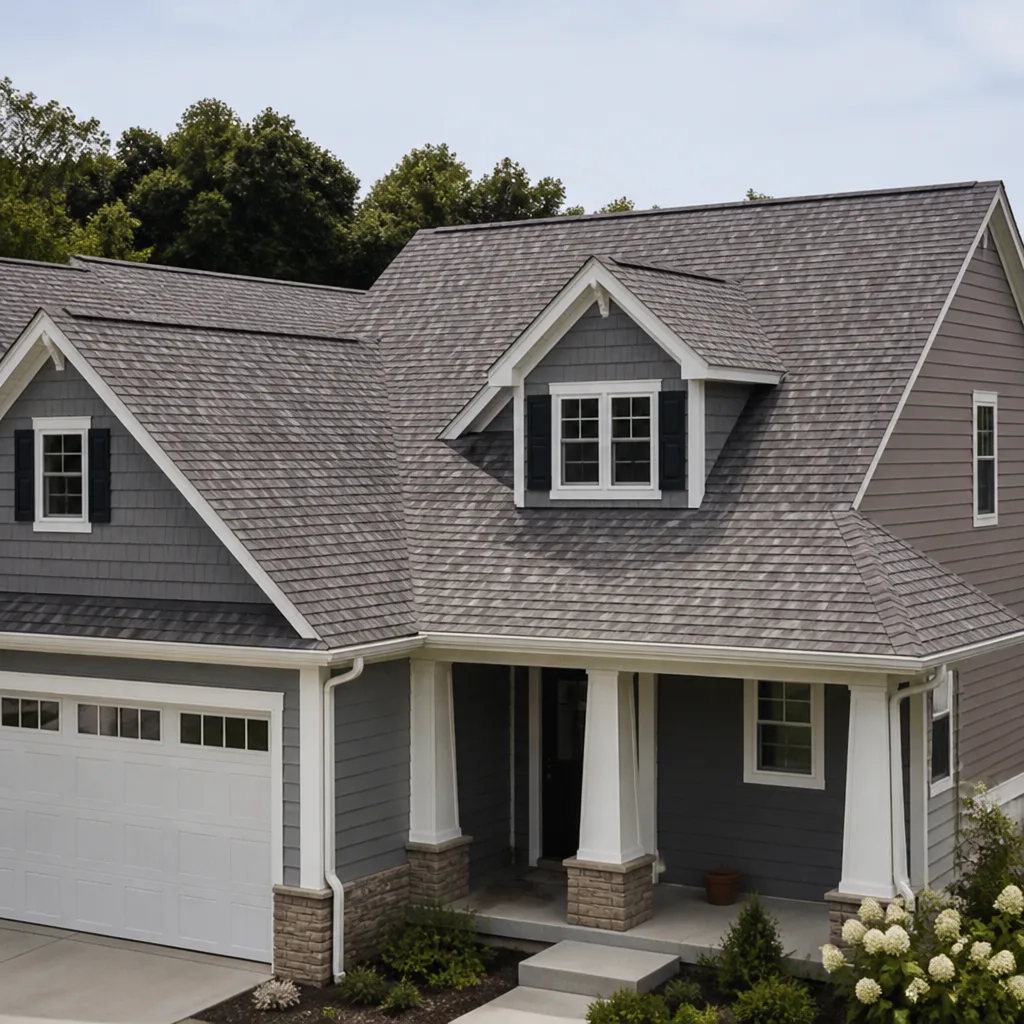 Owens Corning
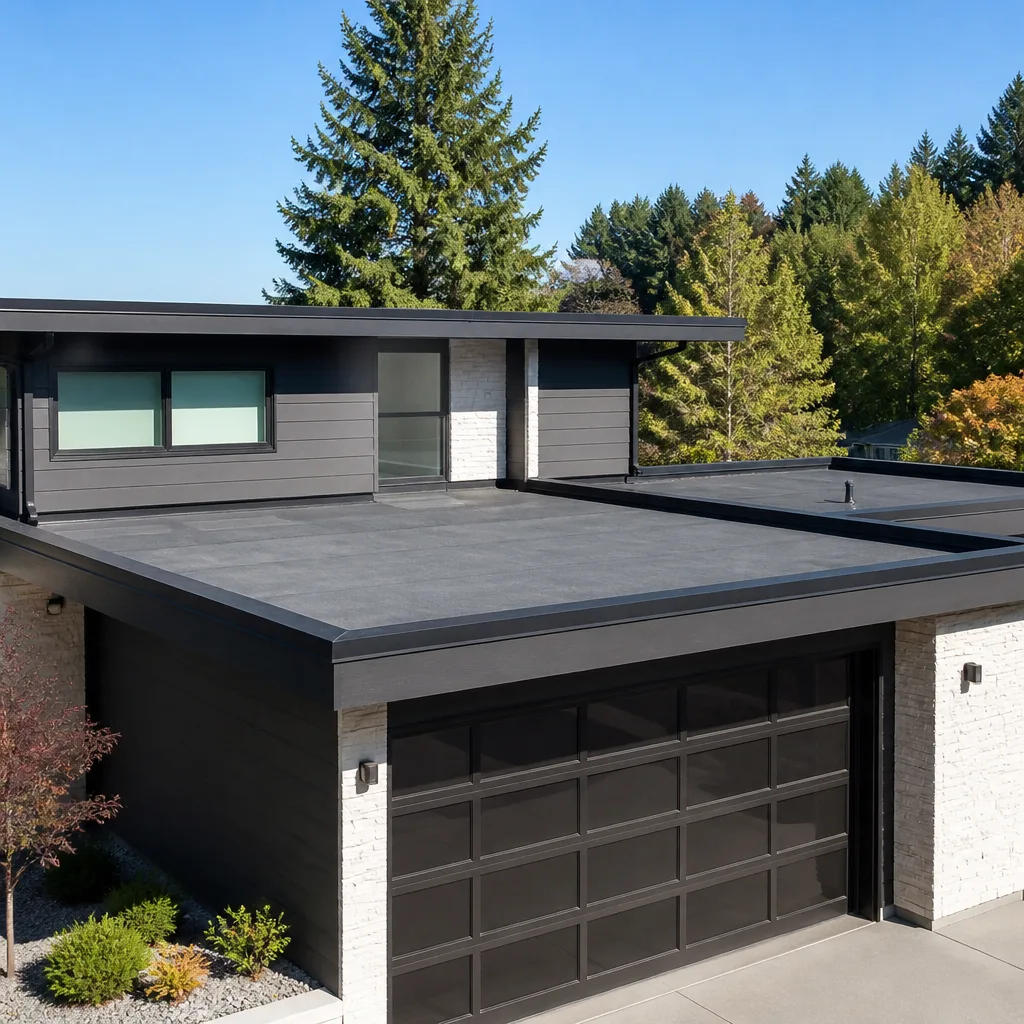 Flat & low-slope
Free roof inspection with deck photos before we talk money - GAF and Owens Corning certified installation
DIY vs Professional Roofing: The West Palm Beach Homeowner’s Decision Guide
Florida is one of the few states where a homeowner can legally pull a roofing permit as an owner-builder, do the work themselves, and pass inspection without ever hiring a licensed contractor. What nobody tells you until it’s too late: the moment you sell that home, you must disclose the work on the seller’s property disclosure, and most lenders will require a licensed roof inspection before closing. In West Palm Beach, where HVHZ (High Velocity Hurricane Zone) code governs every nail, fastener pattern, and underlayment lap, a DIY roof that passed a basic inspection years ago can still fail a lender’s closer look today. This guide walks through exactly where the legal and practical lines are, so you can decide with your eyes open.
Styles & brands we work with
Quick Answer
For most West Palm Beach homeowners, the DIY-vs-professional decision comes down to this: minor maintenance and cosmetic repairs are reasonable DIY territory, but anything involving shingle installation, underlayment, flashing replacement, or structural work should be handled by a licensed contractor due to Florida’s owner-builder disclosure rules, insurance claim risk, and HVHZ code requirements. If the work requires a permit, a professional is almost always the cheaper long-term choice. For repairs that don’t touch the roof’s water-shedding layers, DIY is fine.
Table of Contents
- What Florida’s Owner-Builder Exemption Actually Permits (and Prohibits)
- The Insurance Reality: How DIY Roofing Affects Claims in Florida
- Where DIY Genuinely Makes Sense in West Palm Beach
- The Hidden Cost of a Failed DIY Inspection
- Cosmetic vs Structural: Where Florida Code Draws the Line
- HVHZ Compliance: What Inspectors Actually Check in West Palm Beach
- Common Mistakes to Avoid
- When to Call a Professional
- Frequently Asked Questions
- The Bottom Line
What Florida’s Owner-Builder Exemption Actually Permits (and Prohibits)
Florida Statute 489.103(7) allows a homeowner to act as their own contractor on a home they live in or intend to live in, pulling permits for work that would otherwise require a licensed professional. That includes roofing. On paper, a West Palm Beach homeowner can legally strip a roof down to the deck and rebuild it, start to finish, with only county inspections between them and a signed-off permit.
What the exemption does not do is waive any code requirements. An owner-builder in West Palm Beach is held to the exact same HVHZ installation standards as a licensed roofer: nail patterns, underlayment laps, drip edge, fastener penetration depths, secondary water barriers. The inspector doesn’t grade on a curve because a homeowner did the work. If anything, owner-builder work gets scrutinized more closely, because inspectors know the difference in experience level.
There’s also the occupancy rule. The exemption applies to homes the owner occupies or will occupy. If you’re fixing up a rental property in West Palm Beach, a second home, or a flip, you cannot legally pull an owner-builder permit. That’s a licensed contractor’s job by statute. Violating this isn’t a slap on the wrist; it’s permit revocation, potential fines, and a cloud over the property’s permit history.
The disclosure burden is the part most homeowners never see coming. When you sell, the Florida seller’s property disclosure asks directly whether any work was done without a licensed contractor. If you answer honestly and say yes, the buyer’s lender will almost always require an inspection by a licensed roofer before approving the loan. If that inspection finds code deficiencies, you’re paying to fix them at sale time, under a deadline, with negotiating leverage stacked against you.
The Insurance Reality: How DIY Roofing Affects Claims in Florida
Here’s the part most DIY guides skip entirely, and it’s the most important factor for any West Palm Beach homeowner. Florida property insurers, including Citizens Insurance, can and do deny wind and storm claims when the roofing installation doesn’t meet current code. The policy language is consistent across carriers in Florida: coverage for storm damage is contingent on the roof having been installed in compliance with the building code in effect at the time of installation.
What this means in practice: a DIY roof that passed a county inspection can still be denied by a carrier after a hurricane, because the carrier’s adjuster isn’t checking for code compliance from years ago. They’re checking for installation quality. Missing fasteners, improper underlayment laps, nail penetrations outside the nailing strip, no secondary water barrier: any one of these gives the adjuster grounds to classify the damage as “pre-existing installation defect” rather than “covered wind damage.”
Citizens Insurance, which covers a large share of West Palm Beach homeowners, has been especially aggressive about this since the post-2017 claims environment tightened. Their adjusters are trained to look for installation red flags. If they find them, the claim doesn’t get partially paid. It gets denied, and the homeowner is left holding the cost of replacing a roof that a licensed contractor’s workmanship warranty would have covered.
There’s also the documentation angle. Licensed contractors provide a workmanship warranty and often a manufacturer-backed system warranty through brands like GAF or CertainTeed. An insurance adjuster sees a warranty from a licensed roofer as evidence the roof was installed correctly. A DIY roof carries no such evidence. When a storm hits West Palm Beach and you’re filing a claim, that evidentiary gap costs money. Sometimes the entire claim.
If you’re considering a DIY roof on a home you currently insure, call your carrier first. Ask directly: “If I install my own roof under an owner-builder permit, and a storm damages it, is the claim covered?” Get the answer in writing. Most West Palm Beach homeowners don’t like what they hear.
Where DIY Genuinely Makes Sense in West Palm Beach
None of this means you should never touch your own roof. There’s a real category of maintenance work that is safe, legal, and worth doing yourself in West Palm Beach. The key is knowing where that category ends. Our rule of thumb: if the work doesn’t touch the roof’s water-shedding layers, and doesn’t require a permit, it’s fair DIY territory.
Reasonable DIY roof tasks in West Palm Beach:
- Clearing debris from valleys, gutters, and downspouts, especially after the summer afternoon storms that roll through West Palm Beach from June through September
- Trimming back tree limbs that overhang the roofline (from the ground or a ladder, never the roof itself)
- Inspecting attic ventilation from inside the attic: checking that soffit vents aren’t blocked by insulation and that ridge or box vents are moving air
- Spot-cleaning mildew or algae stains on shingles with a garden hose and a soft brush, never a pressure washer
- Tightening loose gutter brackets and reattaching downspout straps
- Visually checking roof penetrations (pipes, vents, skylights) after a heavy storm to confirm the flashing is still seated and the sealant hasn’t cracked open
The stopping point: the moment work involves lifting, replacing, or sealing any component that keeps water out of the house, you’ve crossed from maintenance into repair. That means shingles, underlayment, flashing, roof cement, sealant around penetrations, and anything touching the roof deck. In West Palm Beach, these are the layers that the permitting office and your insurance carrier both care about.
Minor flashing repairs are sometimes cited as DIY-friendly. We’d qualify that. A homeowner can re-caulk a small gap around a plumbing vent boot with a high-quality sealant and be fine, provided the boot itself isn’t cracked, rusted, or lifting. The moment the boot is compromised, or the flashing needs to be removed and reset, you’re in permit territory. That’s the line.
The Hidden Cost of a Failed DIY Inspection
The visible cost of DIY is materials and time. The hidden cost is what happens when the county inspector shows up at a West Palm Beach home, looks at owner-builder work, and issues a failed inspection. Here’s what that actually costs, step by step.
- Re-inspection fees. Palm Beach County charges a fee for every inspection, including re-inspections after a failure. One failure might be a scheduling hassle. Multiple failures add up, and inspectors don’t come back the next day. Depending on the season, you wait one to three weeks between inspections.
- Tear-off of non-compliant work. If the inspector finds an installation that doesn’t meet HVHZ standards, they can require full removal and reinstallation of the affected area. That’s not a repair. That’s undoing days of work, disposing of the materials, and starting over.
- Material loss. Shingles that have been nailed down, walked on, and then torn off are generally not reusable. Underlayment that’s been penetrated by fasteners is scrap. You eat the full material cost on the failed attempt, plus the new material for the redo.
- The contractor premium. This is the one nobody budgets for. When a licensed roofer is called in to fix owner-builder work that failed inspection, they don’t give you their standard rate. They charge a correction premium, because taking over someone else’s in-progress job means diagnosing what exists, dealing with the permit, and warranting work they didn’t start. In our experience in West Palm Beach, this premium runs 20% to 40% above what the job would have cost if the contractor had done it from day one.
- Time lost. A professional roof replacement in West Palm Beach typically takes two to five days from planning to final inspection. A DIY roof that fails inspection can stretch across months, especially during the busy winter season when county inspectors are booked solid.
The math on a typical West Palm Beach ranch home: a professional shingle roof replacement costs between $11,000 and $19,000 depending on material grade and roof complexity. A serious DIY attempt on the same roof costs $5,000 to $8,000 in materials, plus your labor. One failed inspection that requires partial tear-off and a contractor correction can erase the entire savings and then some.
Cosmetic vs Structural: Where Florida Code Draws the Line
Florida Building Code is specific about what triggers a permit requirement, and the threshold is lower than most homeowners assume. In West Palm Beach, the following all require a permit:
- Any roof covering replacement exceeding one square (100 square feet) of contiguous area
- Any repair that involves removing or replacing underlayment, even under a small patch
- Any flashing replacement where the flashing is removed from the roof surface and reattached or replaced
- Any repair to roof decking, trusses, or rafters
- Any replacement of a roof covering on an entire roof slope, regardless of size
- Any work on a roof that is part of a structure in the HVHZ zone, which includes all of West Palm Beach
The practical filter: a cosmetic issue is something visible but not affecting the roof’s ability to shed water. An algae streak across asphalt shingles is cosmetic. A few missing granules on one shingle are cosmetic. A slightly lifted shingle corner that hasn’t exposed the underlayment is borderline, but most inspectors will call it cosmetic if you glue it down and it holds.
A structural or functional issue is anything that compromises water shedding. A torn shingle exposing underlayment is functional. Loose flashing around a pipe is functional. Missing shingles after a storm are functional. Water stains on the ceiling are evidence of a functional failure that’s already happened. In West Palm Beach’s HVHZ environment, where wind-driven rain is the primary water intrusion risk, the margin for error on functional repairs is essentially zero.
Here’s a simple test we tell homeowners: if the repair you’re about to do involves a sealant, a peel-and-stick patch, new nails in the field of the roof, or lifting any existing material, call a licensed roofer. If it involves a broom, a hose, or a caulk gun on non-structural components, proceed. The difference matters more in West Palm Beach than almost anywhere else in the country.
HVHZ Compliance: What Inspectors Actually Check in West Palm Beach
West Palm Beach sits inside the HVHZ, the High Velocity Hurricane Zone, which extends through Broward and Miami-Dade counties and up into Palm Beach County. The HVHZ code requirements are stricter than the rest of Florida’s already strict code, and they apply to every roof in the city, whether it was permitted by an owner-builder or a licensed contractor.
What inspectors verify on every roof in West Palm Beach:
- Fastener pattern. HVHZ requires specific nail spacing on the perimeter and field of the roof. For asphalt shingles in a 150 mph wind zone, that typically means six nails per shingle in the field and a tighter pattern at eaves, rakes, and ridges. The inspector checks nailing patterns on the underlayment too.
- Underlayment laps. HVHZ code requires specific horizontal and vertical overlap on underlayment seams. The standard requirement is a 2-inch head lap on horizontal seams and 6 inches on vertical seams, with variations based on the underlayment product being used. Inspectors in West Palm Beach check this before any shingles go on.
- Nail penetration depth. Fasteners must penetrate the roof deck by a minimum depth, typically 3/4 inch into the deck or through the decking entirely, depending on deck thickness. Fasteners that don’t penetrate fully are a failure point, and HVHZ inspectors check for this documentation.
- Secondary water barrier. HVHZ requires a secondary water barrier over the entire roof deck, usually a peel-and-stick membrane or a modified bitumen underlayment, installed before the primary underlayment. This is non-negotiable. A DIY roof that skips this step fails inspection outright.
- Drip edge. HVHZ requires drip edge on all roof edges with specific fastening intervals. It also requires that the drip edge be installed over the underlayment at the eave and under the underlayment at the rake. Getting this backwards is one of the most common DIY failure points.
- Starting a roof replacement without reading the permit requirements first. Many West Palm Beach homeowners assume a “simple re-roof” needs no permit. It does. The county requires a permit for every roof covering replacement over one square, and starting work without one can lead to a stop-work order and fines on top of the permit fees.
- Treating underlayment as optional. Some DIY guides suggest skipping underlayment replacement if the existing layer “looks fine.” In HVHZ territory, that’s a guaranteed failed inspection and a compromised roof. The secondary water barrier requirement applies to every re-roof in West Palm Beach.
- Using the wrong fasteners. Roofing fasteners in HVHZ must be corrosion-resistant, of a minimum length, and driven to a specific depth. Using standard hardware-store nails because they were cheaper is a classic DIY error that inspection catches every time.
- Pressure washing shingles. West Palm Beach’s humid climate makes algae common, and homeowners often reach for a pressure washer. High-pressure water strips granules, destroys the shingle’s UV protection, and voids the manufacturer warranty. Soft brushing with a hose is the only safe cleaning method.
- Patching over a soft spot. If you notice a soft spot on the roof deck, the decking has been compromised by water. Covering it with a new shingle hides the problem while the rot spreads. The correct repair is replacing the damaged deck section, which requires a permit and is not DIY territory.
- Forgetting the seller’s disclosure. Florida requires homeowners to disclose unlicensed work when selling. Failing to disclose is fraud, and it creates liability years after the sale. A DIY roof you’re proud of today can become a legal problem the day you list the house.
- Assuming one good inspection means the roof is fine forever. HVHZ inspections are thorough, but they’re a snapshot. Without a workmanship warranty, there’s no recourse if installation issues emerge after the inspector leaves. Licensed roofers stand behind the work; an owner-builder stands alone.
The hard part for a DIY roofer isn’t the physical labor. It’s the documentation. A licensed roofer doesn’t just install to code; they photograph each layer, document fastener patterns, and maintain the paper trail that the inspector and your insurance company can review. An owner-builder doing their first roof typically lacks the documentation discipline, and in West Palm Beach, that documentation is part of the code compliance itself.
Common Mistakes to Avoid
When to Call a Professional
Call a licensed roofer if the work involves removing or replacing any shingle, tile, underlayment, flashing, or decking; if the roof is leaking; if your insurance company has flagged the roof; if you’re selling the home and need a clean inspection; or if the thought of spending weekends on a ladder in Florida heat doesn’t appeal to you, which is most people. Birchbark Roofing West Palm Beach offers free estimates in West Palm Beach, with a written price before any work starts. Call (728) 220-0842 to schedule yours. You can also learn more about our roof repair in West Palm Beach or roof replacement in West Palm Beach services.
Frequently Asked Questions
Yes, Florida’s owner-builder exemption allows a homeowner who occupies the home to pull a roofing permit and perform the work themselves. However, the work must meet all HVHZ code requirements, pass county inspections, and be disclosed when you sell the home. Most West Palm Beach homeowners who attempt a full roof replacement find the process far more demanding and expensive than expected; for ongoing projects, see more guides & resources.
A professional shingle roof replacement in West Palm Beach typically runs between $11,000 and $19,000 for a standard 1,500 to 2,200 square foot home, with premium materials from brands like Owens Corning or IKO pushing costs higher. Tile and metal roofs run $25,000 and up. A DIY attempt might cut the hard costs to $5,000 to $8,000 in materials, but any inspection failure, insurance complication, or sale-time repair erases those savings quickly.
Most Florida carriers, including Citizens Insurance, will only cover storm damage to a roof installed by a licensed contractor in compliance with current code. An adjuster who finds installation defects on an owner-builder roof can classify subsequent damage as a pre-existing condition and deny the claim. If you’re considering DIY roofing, ask your carrier for confirmation in writing before you begin.
Gutter cleaning, debris removal, tree limb trimming, attic ventilation checks, and cosmetic cleaning of algae stains are all DIY-friendly and don’t require permits. The line is drawn at any work that affects water shedding: replacing shingles, repairing flashing, patching underlayment, or touching the roof deck all require permits and are best left to a licensed roofer.
Most professional roof replacements in West Palm Beach are completed in two to five days from tear-off to final inspection, depending on roof complexity and weather. A DIY replacement typically takes weeks or months, especially if inspections are failed and corrections are required. The hurricane season from June through November adds scheduling pressure in both cases.
You’ll pay a re-inspection fee, correct the issues, and wait for the inspector to return. If the corrections require tear-off and reinstallation, you’ll pay for new materials on top of the labor you’ve already spent. Then, when you call a licensed contractor to finish the job, expect to pay a premium for taking over in-progress work. Call (728) 220-0842 to have a licensed roofer assess your situation and provide a written quote for the remaining work.
The Bottom Line
DIY roofing in West Palm Beach isn’t like DIY roofing anywhere else in the country. The HVHZ code sets a high bar for installation quality, your insurance carrier can deny claims based on installation defects they find during any future claim, and Florida’s seller disclosure law turns a weekend project into a long-term liability. For gutter cleaning, debris removal, and cosmetic maintenance, DIY is reasonable and satisfying. For anything touching shingles, underlayment, flashing, or decking, a licensed contractor is the financially sound choice. If you’re weighing a roof repair or replacement, our roofing company in West Palm Beach provides a written price before any work starts, shoe covers and drop cloths to protect your home inside and out, and a photo of the completed clean-up before the crew leaves. Call (728) 220-0842 to schedule a free estimate.
Written by Erik Lindgren, Owner at Birchbark Roofing West Palm Beach, serving West Palm Beach since 2000.
See the difference
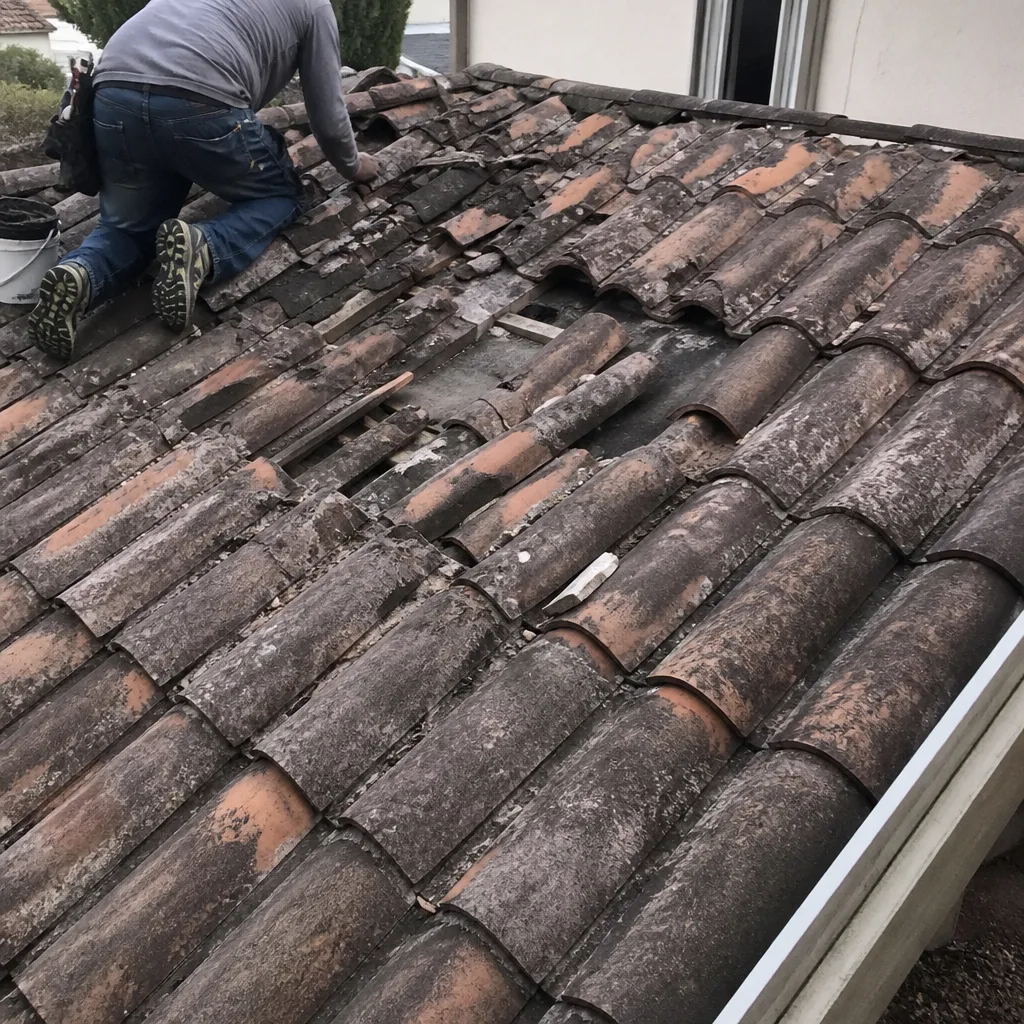 Before
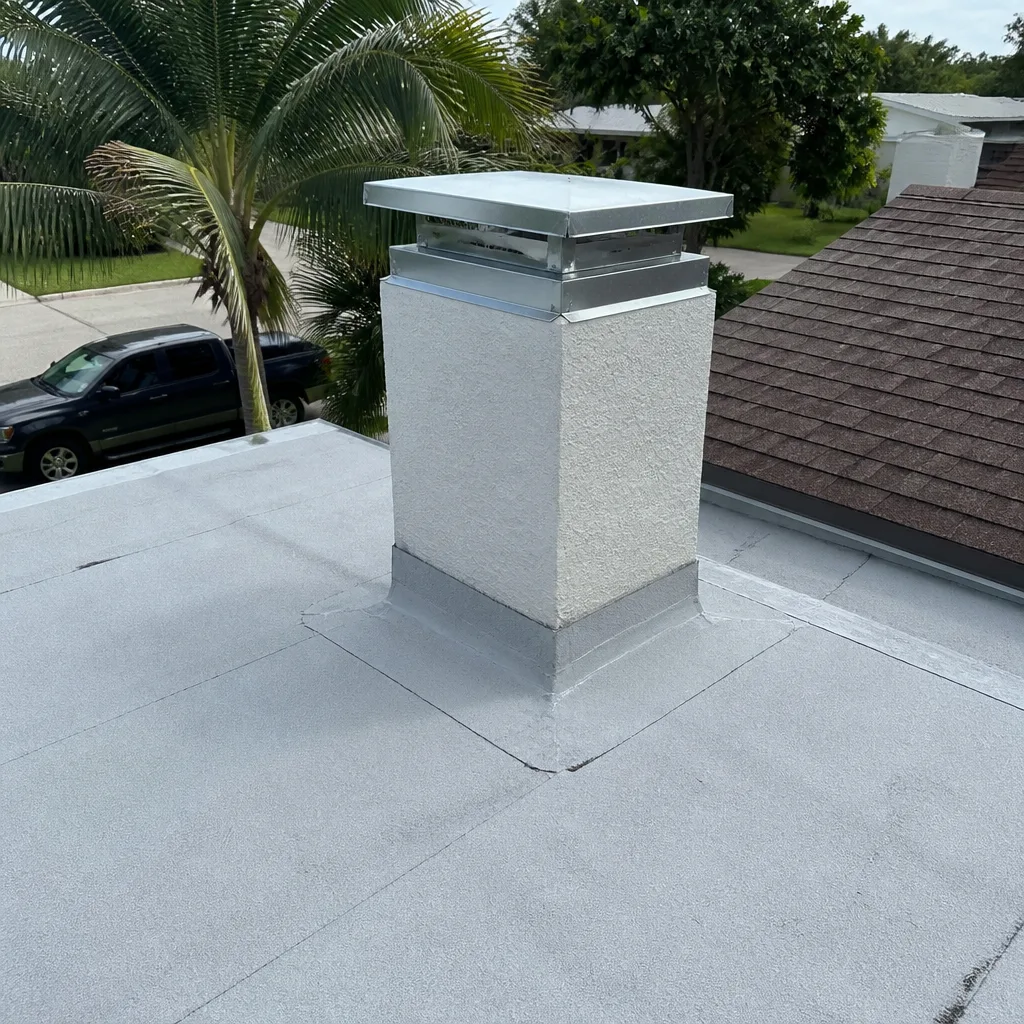 After
After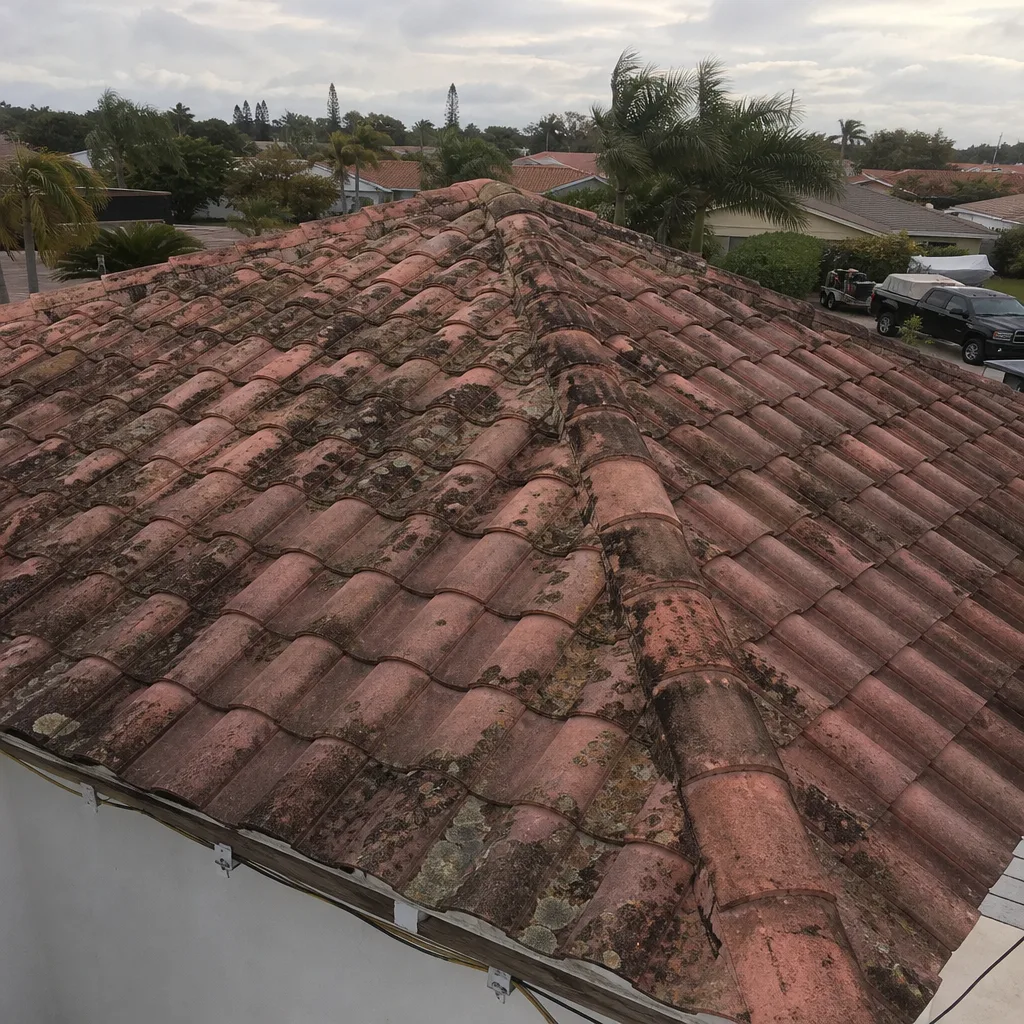 Before
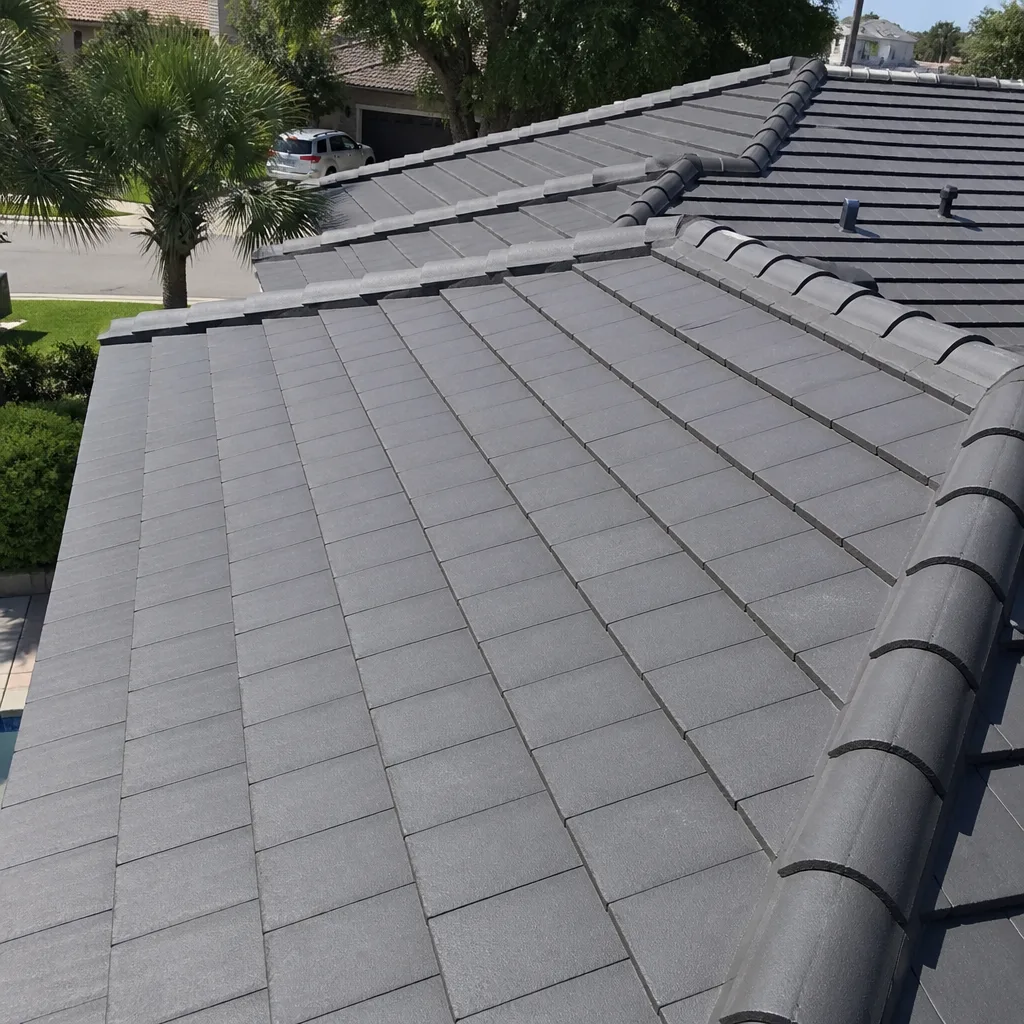 After
After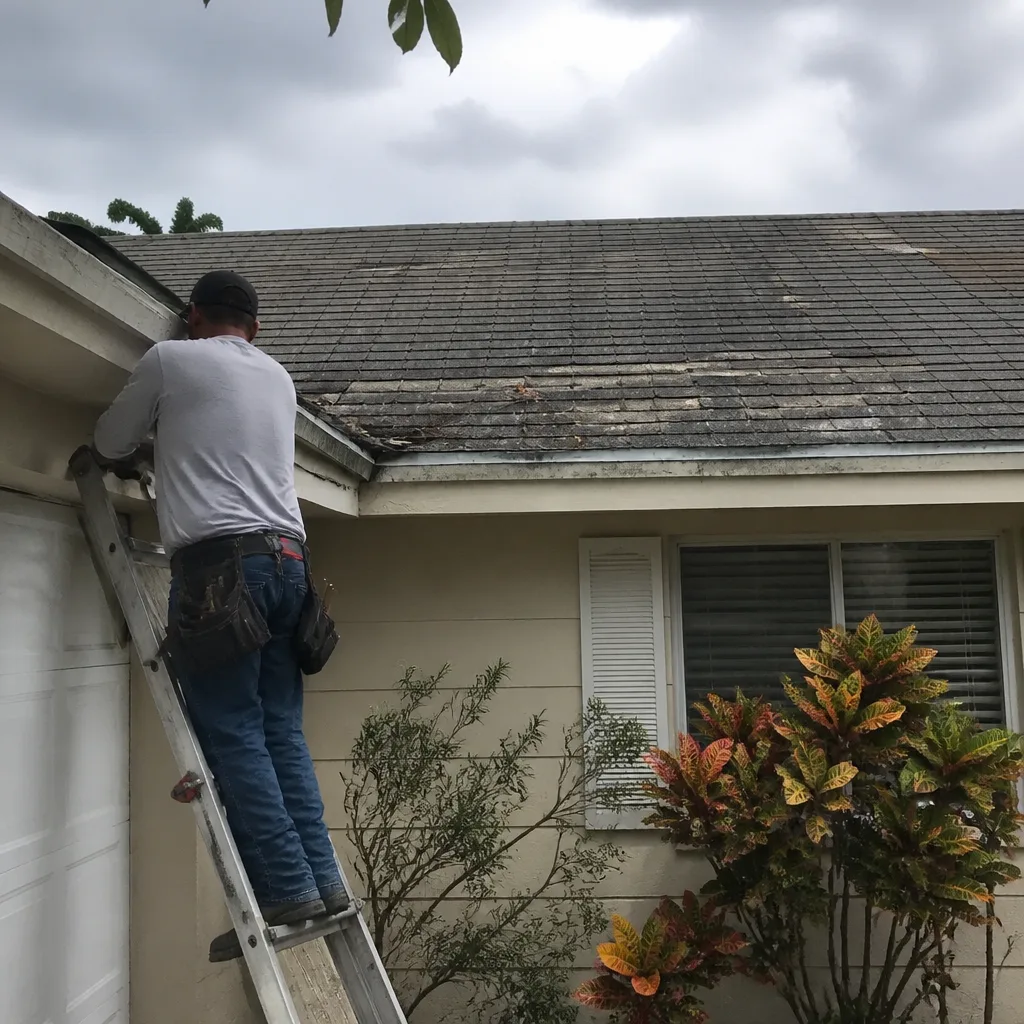 Before
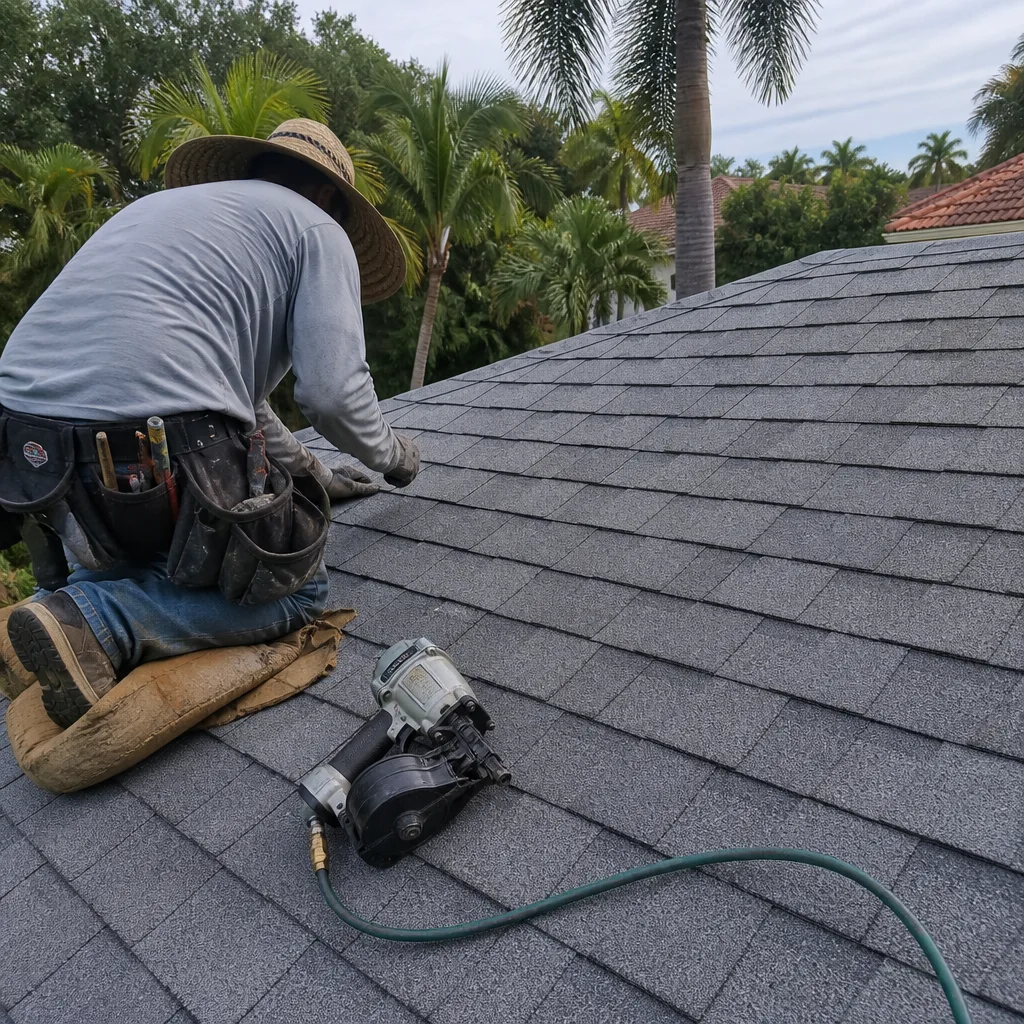 After
After