
Last updated October 17, 2026
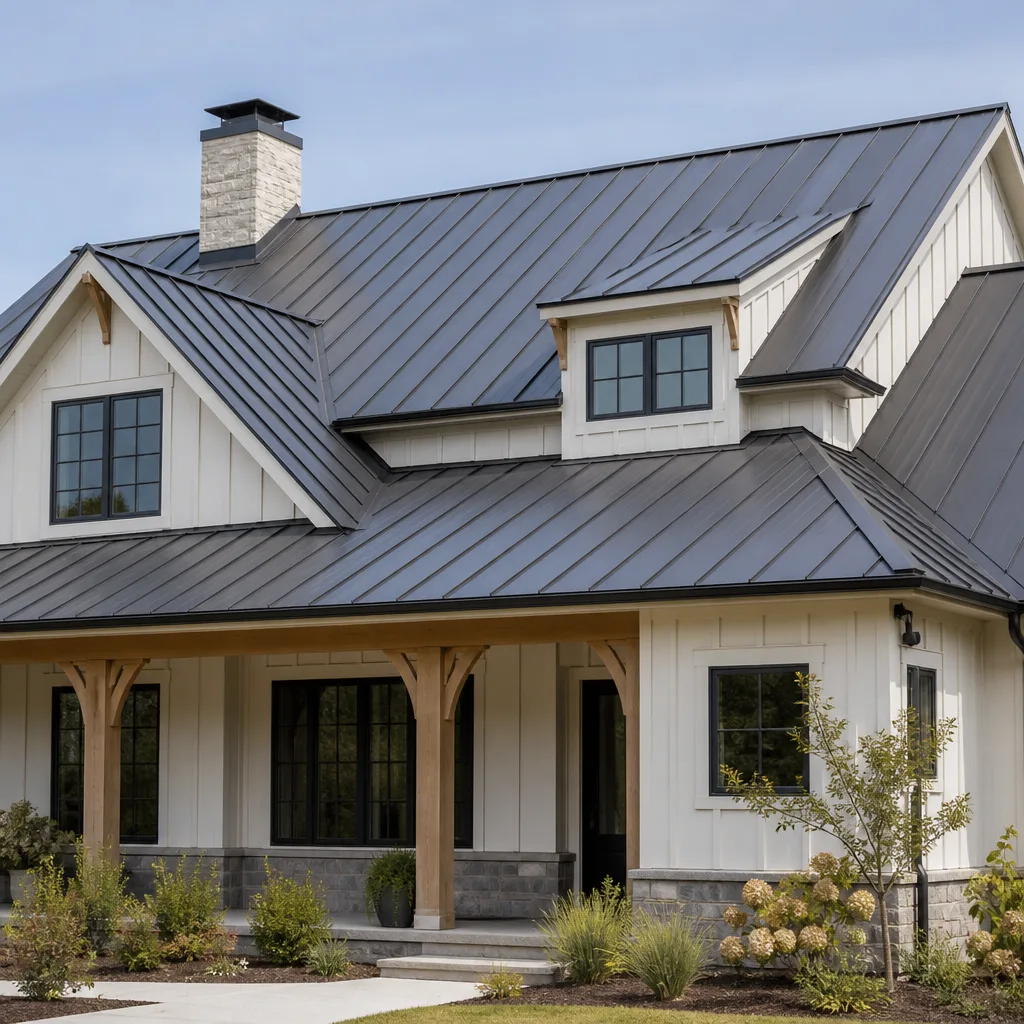 Metal roofing
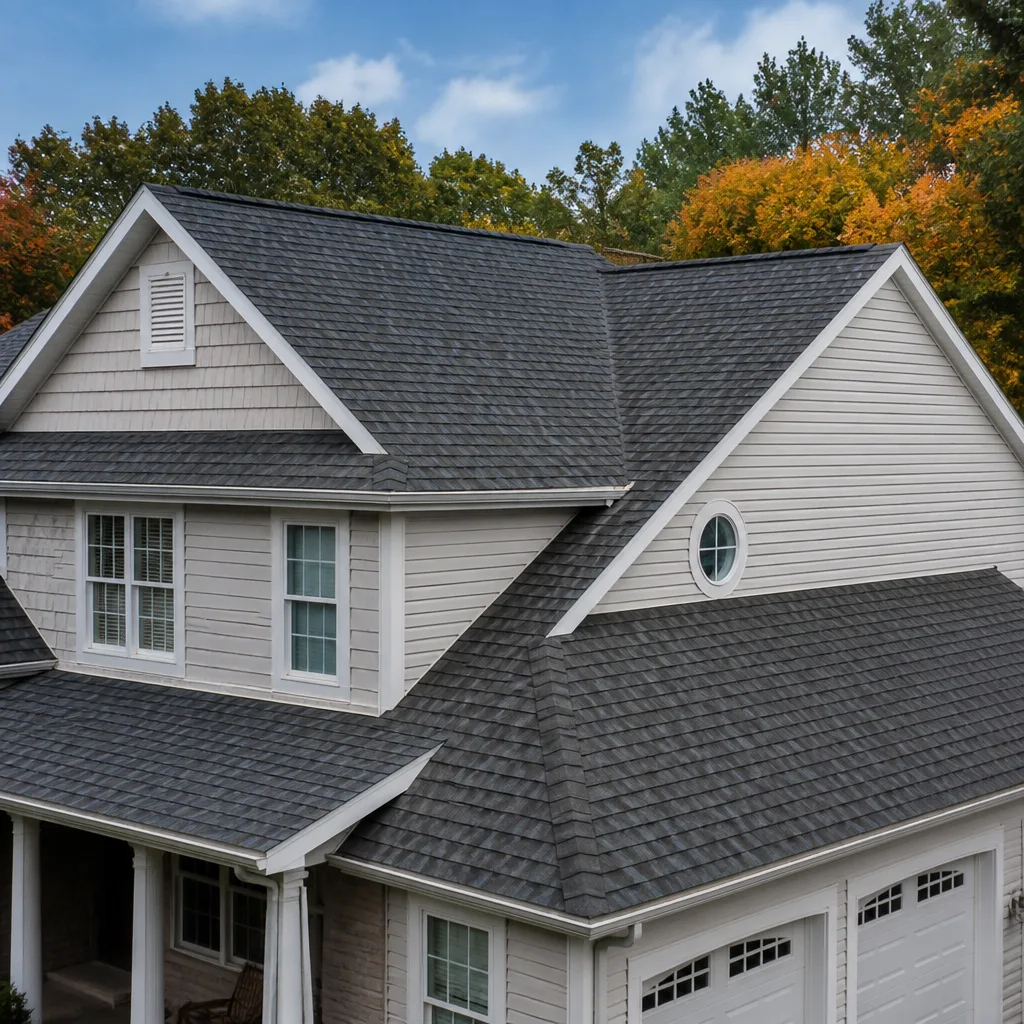 Architectural shingles
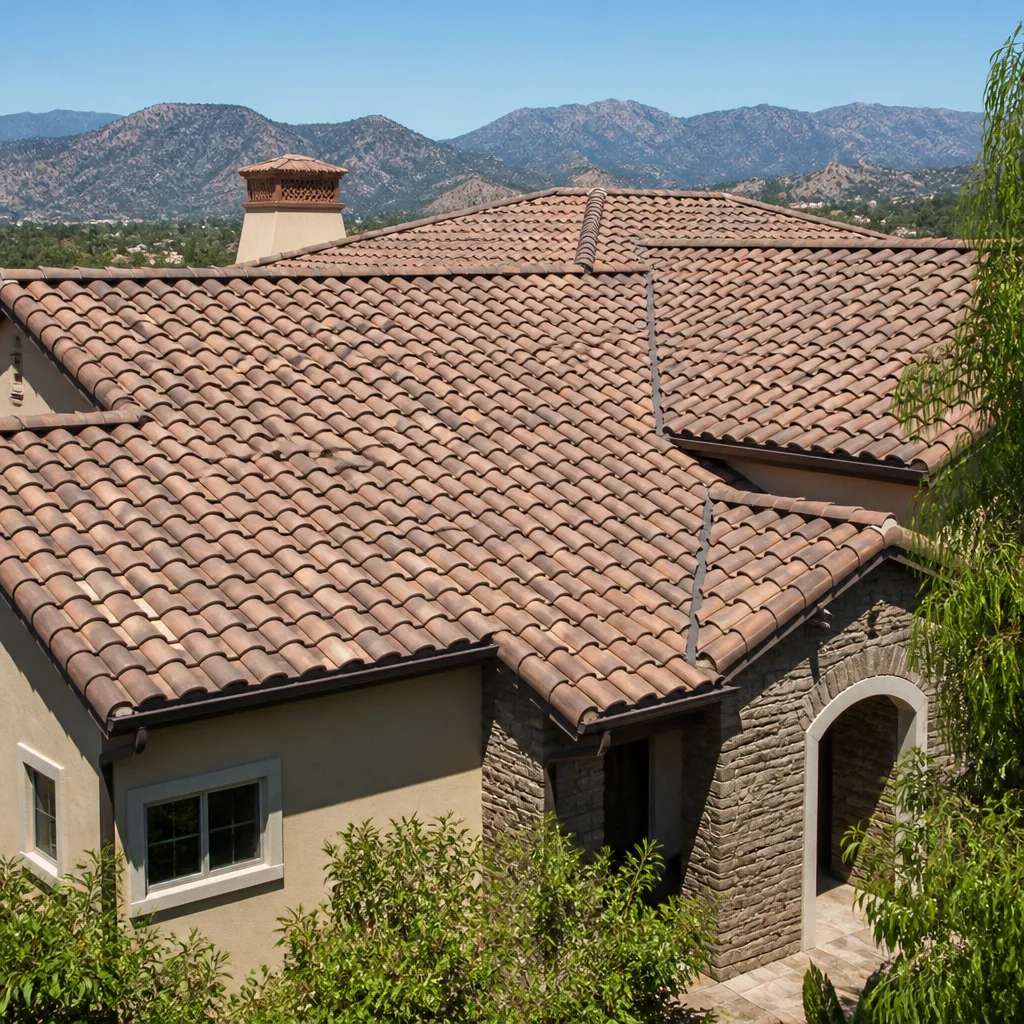 Tile roofing
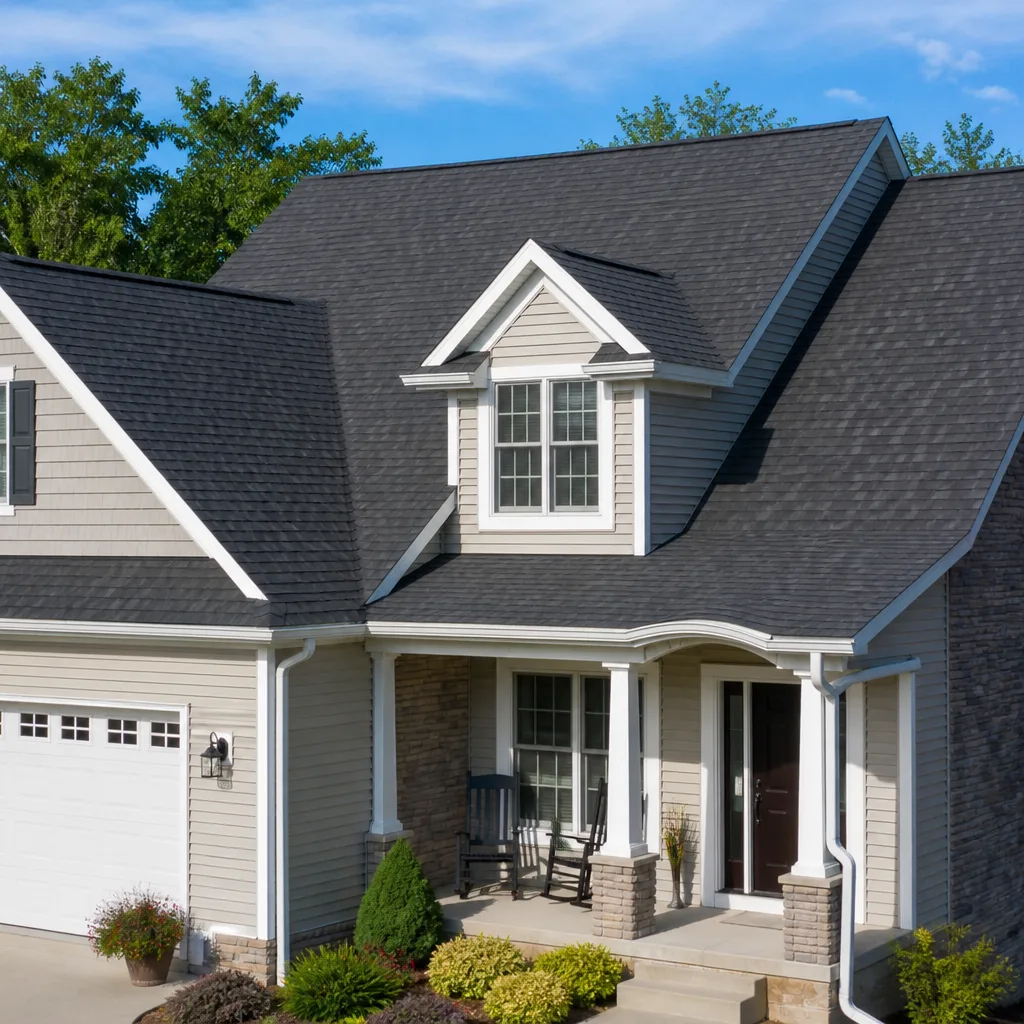 GAF
GAF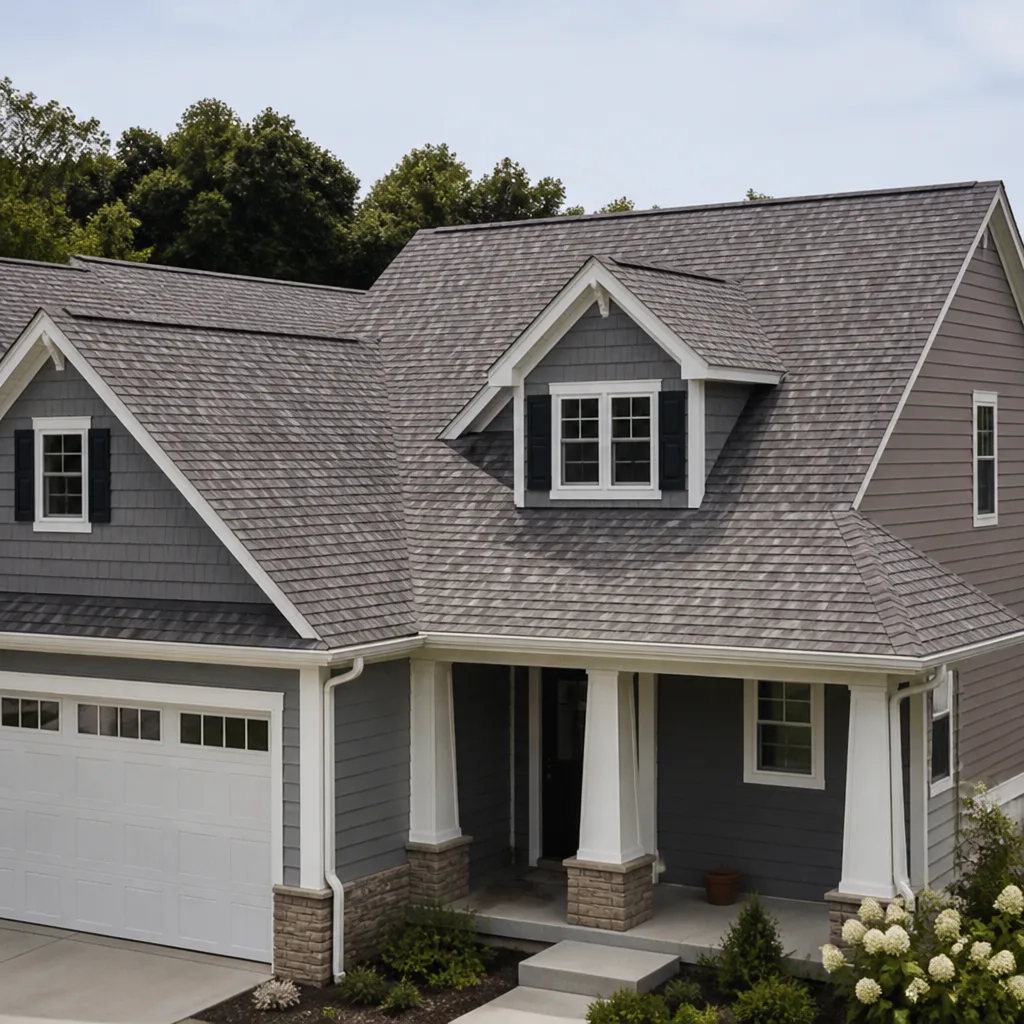 Owens Corning
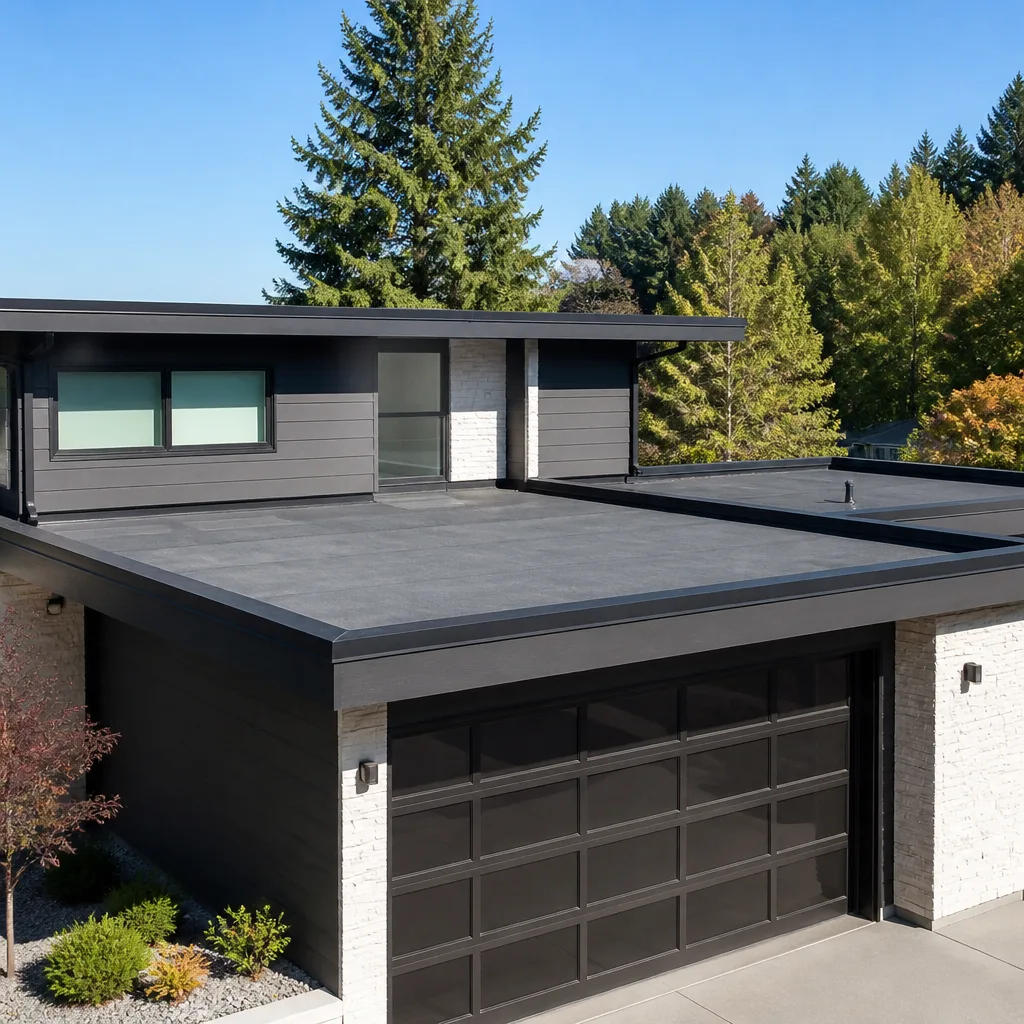 Flat & low-slope
Free roof inspection with deck photos before we talk money - GAF and Owens Corning certified installation
The Complete Guide to Roofing in West Palm Beach
Most national roofing guides recommend asphalt shingles as the default choice. But in Palm Beach County’s High Velocity Hurricane Zone, that generic advice can void your homeowner’s insurance and fail a county inspection on day one. West Palm Beach sits inside one of the strictest roofing code environments in the United States, where material selection, installation method, and even the fasteners you use are regulated at a level most contractors in other states never encounter. This guide explains what actually applies here in West Palm Beach, so you can make decisions that pass inspection, satisfy your insurer, and hold up through hurricane season.
Quick Answer
Roofing in West Palm Beach is governed by the Florida Building Code’s High Velocity Hurricane Zone (HVHZ) provisions, which mandate specific materials with Florida Product Approval numbers, installation patterns tested for 150 mph wind uplift, and inspections at multiple stages of every job. A code-compliant roof here typically runs $8,000 to $25,000 depending on square footage and material, with concrete tile, metal, and specific asphalt shingle systems all legal when installed to HVHZ standards. Before signing any contract, verify the roofer’s HVHZ experience, the product approval numbers for your chosen material, and a written itemized price as required under Florida Statute 489.
Styles & brands we work with
Table of Contents
- Why West Palm Beach Follows HVHZ Code (And Most of Florida Doesn’t)
- Materials That Are Actually Legal in West Palm Beach
- Florida Product Approval: The Number That Matters More Than Any Warranty
- How Your Roof Age and Material Affect Citizens Insurance Premiums
- What a Legal Roofing Contract Must Include (Florida Statute 489)
- The West Palm Beach Roofing Permit and Inspection Timeline
- What Roofing Costs in West Palm Beach: A Line-Item Breakdown
- How to Vet a West Palm Beach Roofer Before You Sign
Why West Palm Beach Follows HVHZ Code (And Most of Florida Doesn’t)
West Palm Beach sits inside the High Velocity Hurricane Zone, a designation created after Hurricane Andrew in 1992 exposed how poorly Florida homes were built for wind. The HVHZ applies to Miami-Dade and Broward Counties and, critically for this region, all of Palm Beach County. The rest of Florida follows different wind-load standards. So a roofer who works in Orlando, Tampa, or Jacksonville may have never touched an HVHZ job in their career.
What does that mean in practical terms for your roof?
- Fastener patterns are regulated. Every nail, screw, or adhesive placement is specified based on wind uplift testing. A shingle installed with four nails where the code requires six is a failed inspection.
- Underlayment requirements are stricter. In West Palm Beach, the underlayment beneath your visible roofing material is far more critical than in non-HVHZ areas. Sealed or mechanically fastened underlayments are common.
- Edge details matter enormously. The roof’s perimeter is where wind uplift starts. HVHZ code requires specific flashing, bonding, or adhesive details at eaves, rakes, and ridges.
- Roof-to-wall connections must meet uplift standards. The connection of your roof deck to the walls below is part of the permitting review, especially on older West Palm Beach homes built before modern straps and clips were standard.
We’ve seen homeowners buy homes in neighborhoods like Flamingo Park or El Cid, then discover during a reroof that the deck needs additional fastening before any new material goes on. That’s normal here. It’s also why a roofer’s HVHZ experience is non-negotiable. A crew that has only worked under Florida’s general wind-load provisions will make mistakes you’ll pay for at inspection and potentially again in a storm. Our team at Birchbark Roofing West Palm Beach works under HVHZ standards on every job in West Palm Beach, because there is no other legal standard here.
Materials That Are Actually Legal in West Palm Beach
Not every material sold in Florida is legal in West Palm Beach. The HVHZ code approves materials by system, not just by product. A shingle might carry a Florida Product Approval number for use in Orlando but not for Palm Beach County. That’s why a roofer should show you the specific product approval for the exact material going on your roof in West Palm Beach, not a marketing brochure for the brand.
Here is how the common material options actually perform in this climate:
Concrete and Clay Tile
Concrete tile is common across West Palm Beach, especially in neighborhoods like Lake Clarke Shores or the acreage areas west of the city. Tiles are heavy, excellent for wind resistance when installed with the required adhesives and mechanical fasteners, and well suited to our salt air and intense UV. The trade-offs: weight, and cost. A concrete tile roof can run $18,000 to $35,000 on a typical West Palm Beach home, and the home’s structure must support the load.
Standing Seam Metal
Metal roofs handle high wind better than almost anything else when properly installed, and standing seam panels carry strong Florida Product Approval ratings. In coastal West Palm Beach, metal’s corrosion resistance matters. But metal is not a single product: a low-end screw-down agricultural panel is a different universe from a standing seam system engineered for HVHZ uplift. If you choose metal, spec standing seam with hidden fasteners and ask for the product approval document.
Asphalt Shingles
Asphalt shingles are legal in West Palm Beach, but only certain systems. Brands like Owens Corning and IKO maintain HVHZ-approved shingle systems with specific underlayment and fastener requirements. The shingle itself is one part of the system; the full package includes underlayment, nails, and edge details. The advantage is cost, often $8,000 to $14,000 for a typical home, which is why we install approved asphalt systems regularly across West Palm Beach.
Flat and Low-Slope Roofing
Many mid-century homes and additions in West Palm Beach have low-slope or flat sections. Those areas require different materials: modified bitumen, TPO, or PVC membranes with heat-welded or adhered seams. Assuming you can shingle a low-slope section is a common mistake. The HVHZ code is specific about minimum slope for shingles.
We work with materials from Owens Corning, IKO, Atlas, and Tamko among others. The brand matters less than the system approval behind it. Before you pick a material, ask to see the Florida Product Approval for that exact product used in Palm Beach County.
Florida Product Approval: The Number That Matters More Than Any Warranty
A manufacturer’s warranty tells you what the factory will pay if the product itself fails. It says nothing about whether a West Palm Beach building official will accept the material on your roof. The document that decides that is the Florida Product Approval, a state-issued certification that proves the product was tested to Florida’s wind and water standards.
Here is the critical distinction for West Palm Beach homeowners:
- A 25-year manufacturer warranty covers defects in the material under normal conditions. It rarely covers installation errors, and it never covers hurricane-force wind uplift unless the system is installed exactly to the approval’s specifications.
- A Florida Product Approval number certifies the product passed specific testing for wind uplift, water infiltration, and impact, and that it is legal for use in the HVHZ. Without it, your roofer cannot pull a permit in West Palm Beach.
In our experience, most homeowners have never heard of a Florida Product Approval until an inspector asks for it. We include the product approval documentation with every written quote in West Palm Beach, so you know before the job starts that the materials will pass. If a roofer cannot produce the product approval for the exact product they quoted, walk away. That is not a paperwork formality; it is the legal basis for your entire roof.
How Your Roof Age and Material Affect Citizens Insurance Premiums
Florida’s property insurance market is unlike any other state, and West Palm Beach homeowners feel it directly. Citizens Property Insurance, the state-backed insurer of last resort, now carries the largest homeowners policy market share in Florida. Their underwriting rules effectively set the floor for what a roof must be before a home is insurable at any reasonable rate.
The rules change, but the pattern is consistent:
- Roof age drives eligibility. A home with a roof over 15 years old faces more scrutiny at renewal. Some insurers require a roof certification or flatly refuse to renew until the roof is replaced.
- Material choice affects premium. Insurers in Florida rate roofs partially by material. A concrete tile or standing seam metal roof with strong wind uplift ratings often carries a better premium than an older asphalt shingle roof.
- Mitigation credits require documentation. If you install a roof with HVHZ-compliant attachments and a secondary water barrier, you may qualify for wind mitigation credits, but only if the roofer documents the work properly for the insurance inspection.
The practical sequence for a West Palm Beach homeowner is this: check your Citizens declaration page and note the roof’s listed age. If it’s approaching that 15-year mark, start planning. A roof replacement that fails an insurance inspection because the contractor didn’t photograph the underlayment or document the fastener pattern becomes an expensive mess. We document every phase of the job in West Palm Beach with photos and written records specifically so your insurance paperwork goes through cleanly.
What a Legal Roofing Contract Must Include (Florida Statute 489)
Florida law requires residential roofing contracts to be in writing and to include specific items. The point of Florida Statute 489 is simple: no homeowner should face a mid-job price change, a surprise scope gap, or a roofer who walks away with a deposit. What should you actually see in your contract?
- The full scope of work. This means specific materials with product approval numbers, underlayment type, flashing details, and which roof sections are being replaced. “Reroof house” is not a scope.
- The total price in dollars. Not an estimate, not a range, not “cost plus.” The contract price should be fixed and include all labor, materials, permits, and disposal.
- Payment schedule tied to milestones. Florida law limits how much a contractor can collect before work begins and links subsequent payments to actual progress.
- Start and completion dates. Roofing in West Palm Beach runs on a permit schedule, and your contract should reflect realistic timing.
- Permit and inspection responsibility. Who pulls the permit, who schedules inspections, and what happens if an inspection fails.
- Warranty terms in writing. Both the manufacturer’s material warranty and the roofer’s workmanship warranty, with the start date clearly stated.
- Clean-up and property protection obligations. This is where the homeowner’s real fear shows up. Your contract should state that the crew protects the interior paths, removes debris, and leaves the property clean.
We produce a written price before any work begins at Birchbark Roofing West Palm Beach, covering every item above. There’s no negotiation on that point, because the written price is the protection. If a West Palm Beach roofer won’t put the price in writing before the first nail goes in, that is a decisive red flag under Florida law.
The West Palm Beach Roofing Permit and Inspection Timeline
West Palm Beach issues roofing permits through the city’s Building Division, and the process has more steps than most homeowners expect. Understanding the rhythm keeps you from panicking when the crew stops work and waits for the city. Here is how a typical reroof flows in West Palm Beach:
- Permit application and plan review. Your roofer submits the permit packet, including product approvals and the scope of work. Plan review in West Palm Beach can take days to weeks depending on the city’s current volume.
- Permit approval and scheduling. Once approved, the job is scheduled. The city requires the permit card to be posted on site.
- Tear-off and dry-in. The old roof comes off, and the deck is inspected for damage. If the deck is rotten or insufficiently fastened for HVHZ, this is where the scope can change, and the change should be documented in writing.
- First inspection: deck and dry-in. A city inspector checks the deck, the underlayment, and the fastener pattern before any visible roofing material is installed. Expect the job to pause 48 to 72 hours for this inspection to clear.
- Material installation. The roofing material goes on according to the product approval’s installation requirements.
- Final inspection. The inspector verifies the completed roof, including edge details, flashing, and any required tie-downs. Another 48 to 72 hour pause is common.
- Close-out. The permit is finalized, and you receive documentation for insurance and warranty records.
Those inspection pauses are not your roofer dragging out the job. They are the City of West Palm Beach doing what the HVHZ code demands. A good roofer plans around them and tells you the schedule up front. At Birchbark Roofing West Palm Beach, we share the permit timeline at the estimate so you are never guessing why work stopped.
What Roofing Costs in West Palm Beach: A Line-Item Breakdown
Prices in West Palm Beach run higher than the Florida average because HVHZ materials and labor are more expensive. Here is an honest look at where the money goes on a typical asphalt shingle re-roof on a 1,800 square foot home in West Palm Beach:
- Tear-off and disposal of the old roof: $1,800 to $3,200. Local landfill fees and the labor to remove the old material safely add up.
- Deck repair and re-fastening: $500 to $2,500. Older West Palm Beach homes often need additional plywood replacement or fastener upgrades to meet current uplift standards.
- Underlayment and secondary water barrier: $1,200 to $2,800. HVHZ underlayment requirements are more demanding than the rest of Florida.
- HVHZ-approved asphalt shingle system: $3,500 to $6,500. The shingles plus the specific fasteners and accessories the approval requires.
- Flashing, drip edge, and pipe boots: $800 to $1,800. These details are where leaks start, and they are non-negotiable in the HVHZ.
- Permits and inspections: $400 to $900. The city fees and the inspection scheduling are part of the job.
- Labor and contractor overhead: $3,000 to $6,000. The crew, the equipment, the insurance, and the project coordination.
Total: roughly $11,000 to $24,000, with concrete tile and metal running higher. The single biggest variable is the condition of the deck once the old roof comes off. That’s why some West Palm Beach roofers give low initial quotes and then hit you with change orders. Our approach is different: we inspect the deck condition during the estimate as thoroughly as possible, and we write the price with that reality in mind. For an exact number on your roof, call (728) 220-0842 and we’ll walk the roof with you in West Palm Beach.
How to Vet a West Palm Beach Roofer Before You Sign
Roofing in West Palm Beach attracts contractors from other regions who chase storm season work and leave town. The way to protect your home is to check specific things before you sign anything:
- Verify HVHZ experience. Ask the roofer to explain the HVHZ code’s fastener requirements for your chosen material. A roofer who hesitates or gives a generic answer has not done serious work in Palm Beach County.
- Ask for Florida Product Approval numbers in writing. The actual approval document should list your exact roof slope and the system’s wind uplift rating.
- Confirm the written price is the final price. No change orders, no cost-plus clauses, no open-ended allowances for decking. The decking allowance is where many roofers hide their real price.
- Check licensing and insurance. Florida requires a state roofing license for any job over $1,000. Ask for the license number and verify it with the Florida DBPR.
- Ask who shows up. Are the technicians background-checked and uniformed? Will the same crew be on your roof from start to finish? You have the right to know who is on your property.
- Ask how they protect your home interior. Shoe covers and drop cloths sound simple, but a roofer who protects the hallway and the floors is a roofer who treats the house as a home. If they look confused by the question, find someone else.
We cover every one of these points at Birchbark Roofing West Palm Beach: background-checked uniformed technicians, a written price before work starts, shoe covers and drop cloths on every visit, and a photo of the completed clean-up before the crew leaves. Erik Lindgren, our owner, built the company around those protections because West Palm Beach homeowners deserve better than a handshake and a prayer.
Common Mistakes to Avoid
- Choosing a shingle brand without checking the Florida Product Approval. A shingle legal in Jacksonville may not be legal on your West Palm Beach roof. Ask for the approval number before you commit.
- Ignoring deck fastening until the roof is off. Older West Palm Beach homes often fail deck inspection when the old roof reveals sparse nail patterns. Budget for this possibility in writing.
- Accepting a verbal quote. Florida law requires a written contract for residential roofing. A verbal number means nothing when the change orders start.
- Waiting until the insurance non-renewal letter arrives. Once Citizens or your private insurer flags your roof age, you are working against a deadline. Start planning before the letter comes.
- Hiring an out-of-state roofer chasing hurricane season. They may not have HVHZ experience, Florida licensing, or any intention of honoring a warranty after they leave town.
- Choosing the cheapest bid without checking scope. The low bid in West Palm Beach usually assumes less deck repair, thinner underlayment, or cheaper fasteners. You find out after tear-off.
- Ignoring the clean-up plan. A roof replacement creates a lot of debris, and some of it will fall around your home. Ask for the clean-up plan in writing, down to the nail sweep.
See the difference
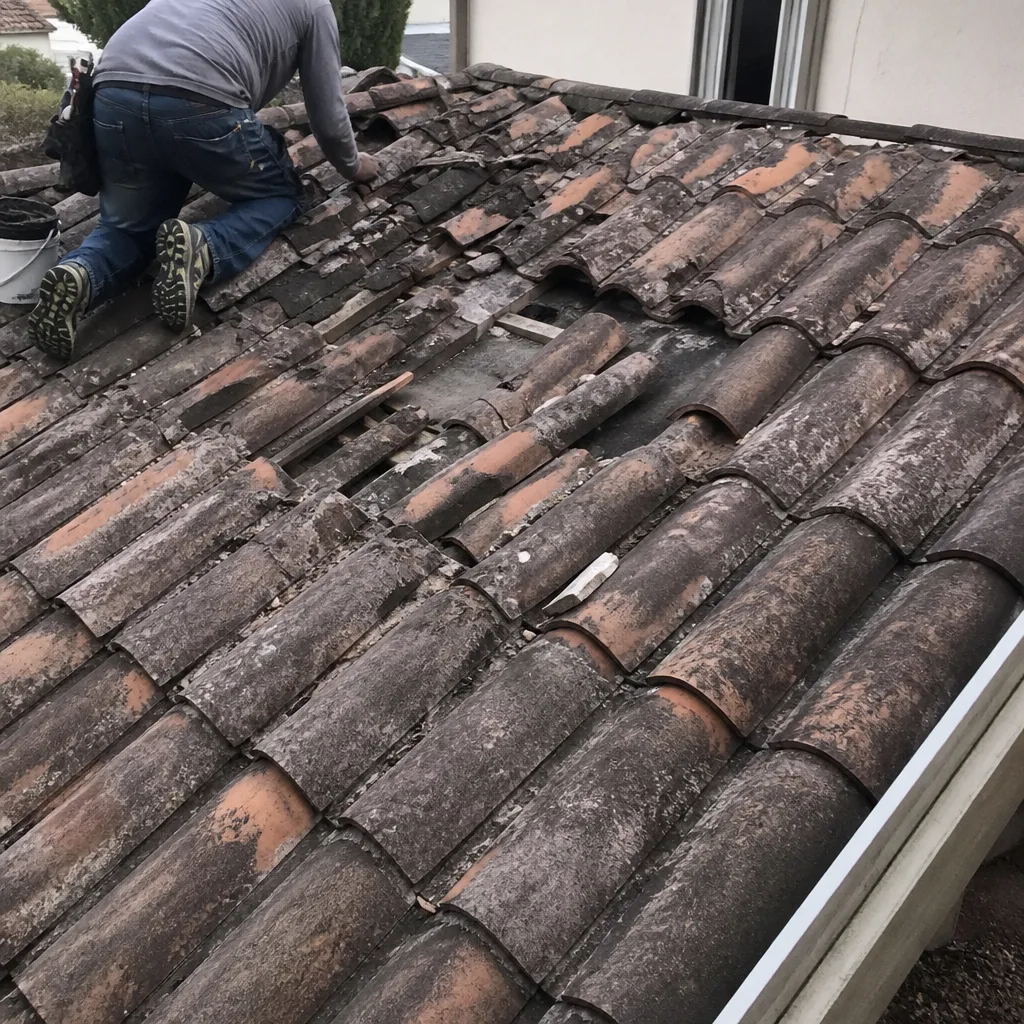 Before
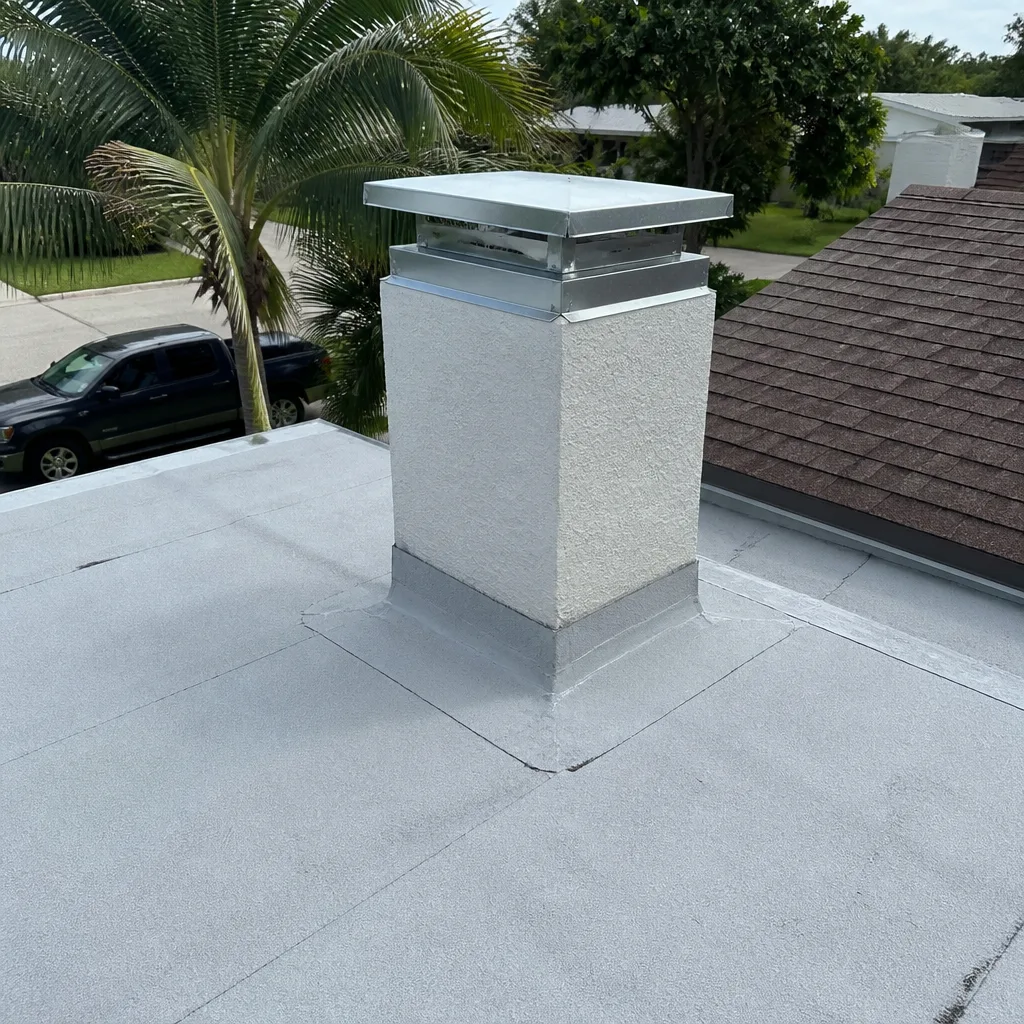 After
After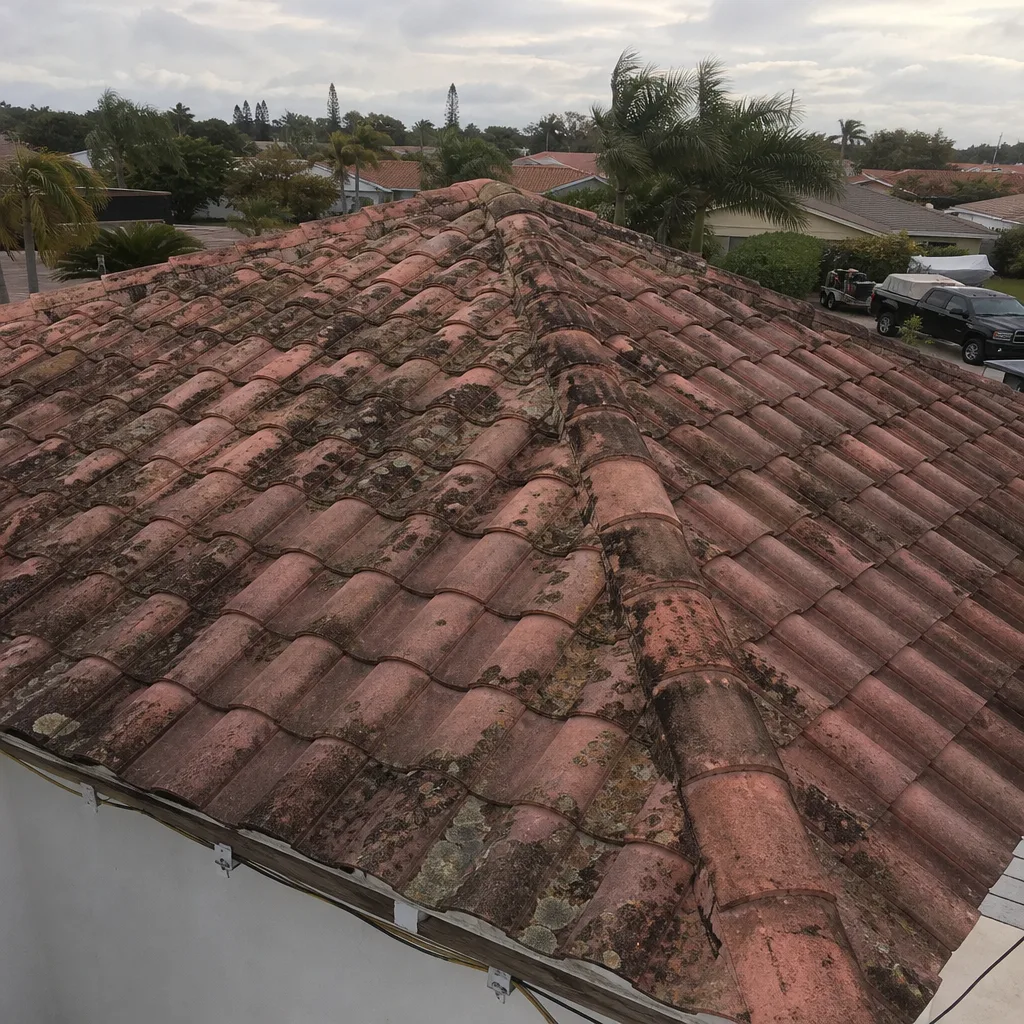 Before
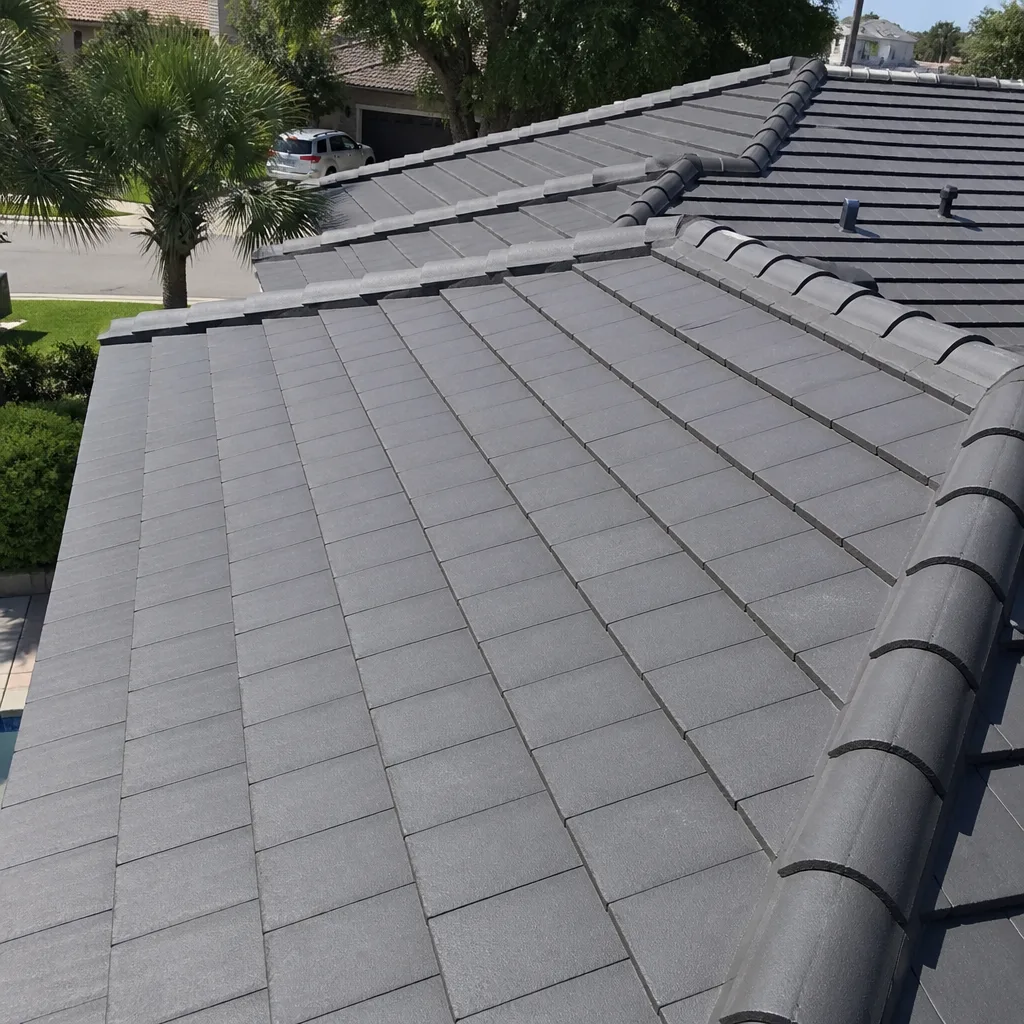 After
After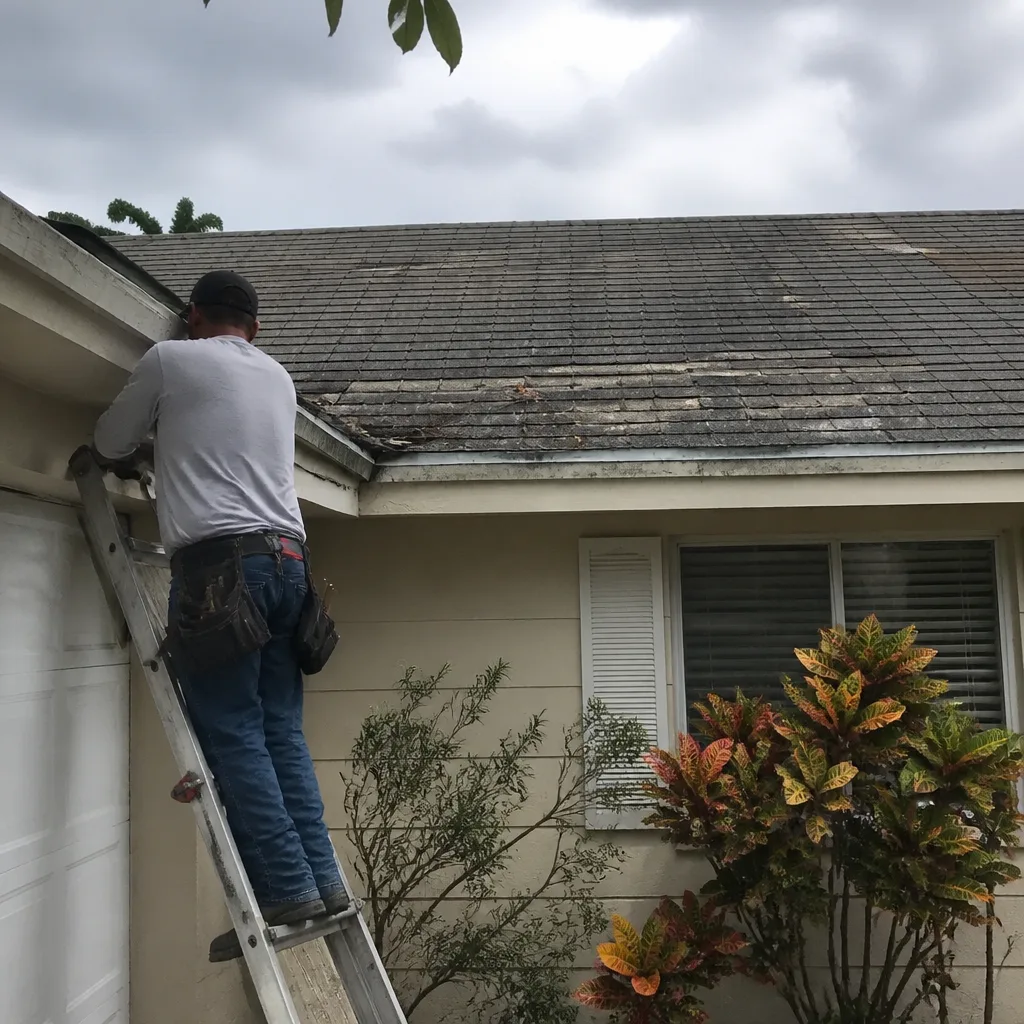 Before
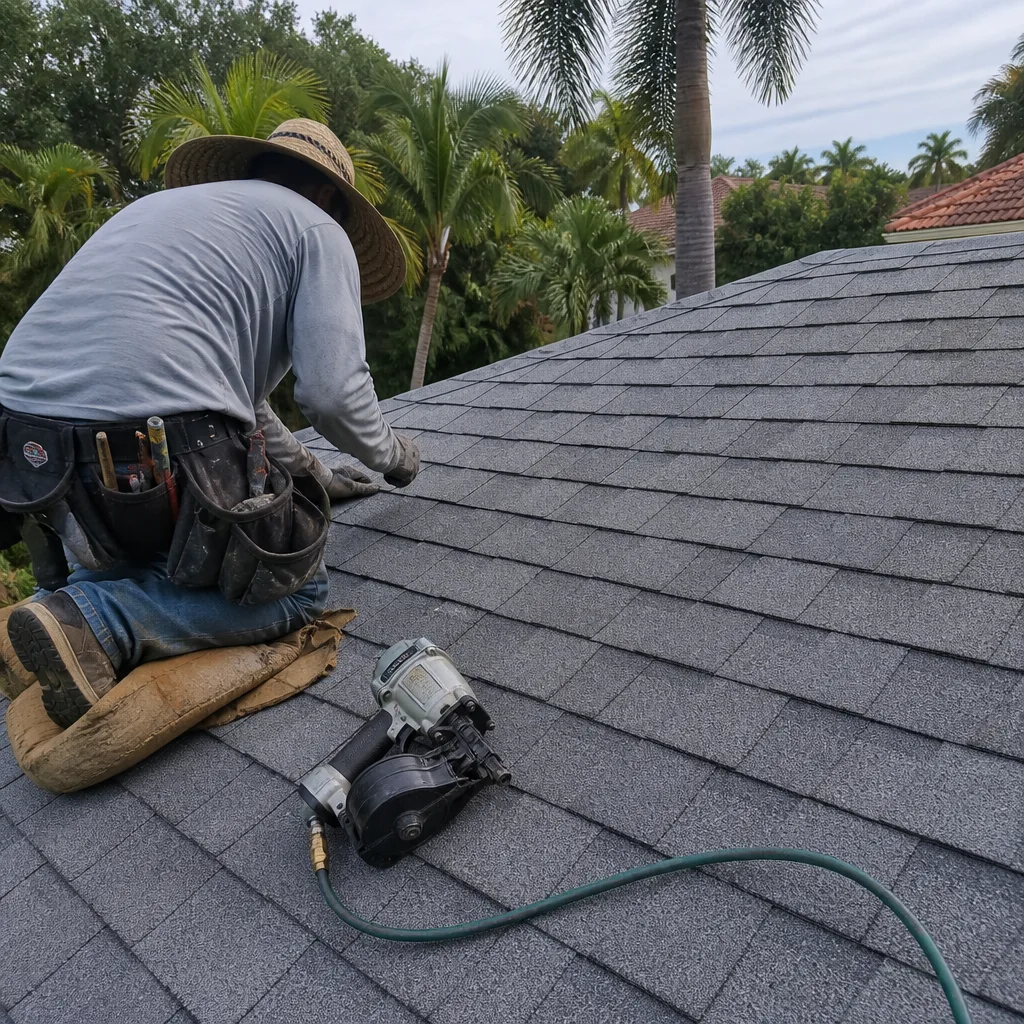 After
AfterWhen to Call a Professional
If your roof is over 12 years old in West Palm Beach, now is the time to have it inspected, not after a storm. You should also call a professional if you see water staining on ceilings, loose tiles or shingles in the yard after a windy day, granules collecting in gutters, or daylight through the attic boards. Any visible sag in the roof plane is an immediate concern. For anything involving a high or steep roof, always call a professional; the combination of height, Florida heat, and loose material is genuinely dangerous. Birchbark Roofing West Palm Beach offers free estimates in West Palm Beach. Call (728) 220-0842 and a live person answers, any hour, any day.
Frequently Asked Questions
A new asphalt shingle roof in West Palm Beach typically runs $11,000 to $24,000 on an average single-family home, with concrete tile and standing seam metal running $18,000 to $45,000 or more depending on size and complexity. The final number depends on deck condition, roof slope, and material choice. Call (728) 220-0842 for an exact written quote on your West Palm Beach home.
Yes, every roof replacement in West Palm Beach requires a city-issued permit and inspections at deck/dry-in and final stages. Any roofer who suggests skipping the permit is setting you up for insurance denial and code enforcement trouble later.
The High Velocity Hurricane Zone code applies to all of Palm Beach County and sets wind uplift standards far stricter than most of Florida. Your West Palm Beach roof must be installed to HVHZ standards using products with Florida Product Approval numbers.
That depends on your policy, your roof’s age, and the cause of the damage. If wind or hail caused the failure, your policy may cover part of it, subject to your hurricane deductible. If the roof is being replaced due to age, that’s maintenance and typically not covered. Check your policy and ask your roofer about documentation that helps the claim.
Most residential asphalt roof replacements take three to seven days of actual work, but the permit and inspection process adds several days of waiting time. Expect the full timeline from permit approval to final inspection to run one to three weeks in West Palm Beach.
Under Florida Statute 489, your contract must include a written description of the work, the total price, a payment schedule, start and completion dates, and permit details. If any of those are missing or verbal, stop and ask for them in writing. Call (728) 220-0842 for a free estimate with a written line-item price before any work starts.
The Bottom Line
Roofing in West Palm Beach is a decision shaped by law, insurance rules, and hurricane season more than by brand names or curb appeal. The HVHZ code determines what goes on your roof. Florida Product Approvals determine what passes inspection. Your insurance company has its own requirements layered on top. The homeowner’s job is to find a roofer who understands all three and puts every dollar in writing before the first nail is driven. If you’re ready to plan your West Palm Beach roof, start with a conversation or explore our more guides & resources. Call (728) 220-0842 for a free estimate, and you’ll get a live person on the phone, a written price, and a clear plan from start to clean-up.
Written by Erik Lindgren, Owner at Birchbark Roofing West Palm Beach, serving West Palm Beach since 2000.