
Last updated October 17, 2026
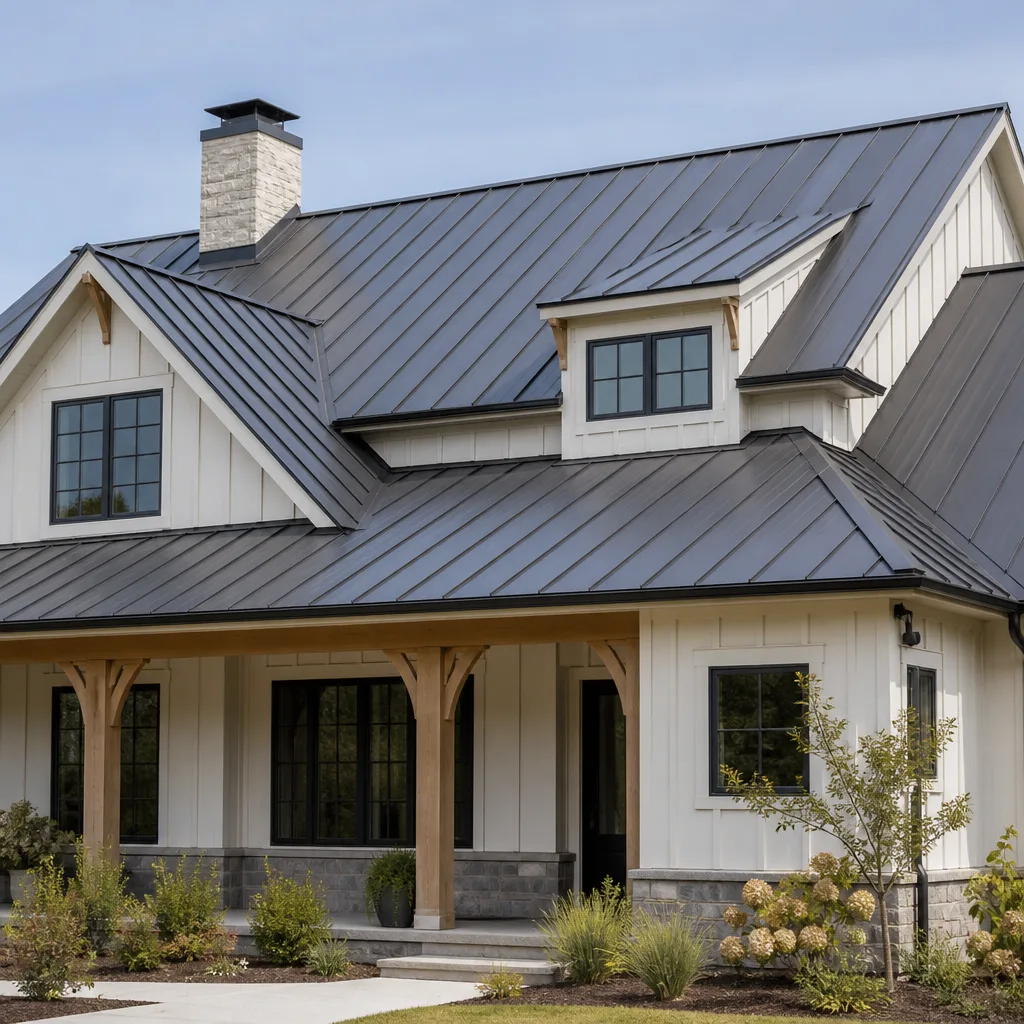 Metal roofing
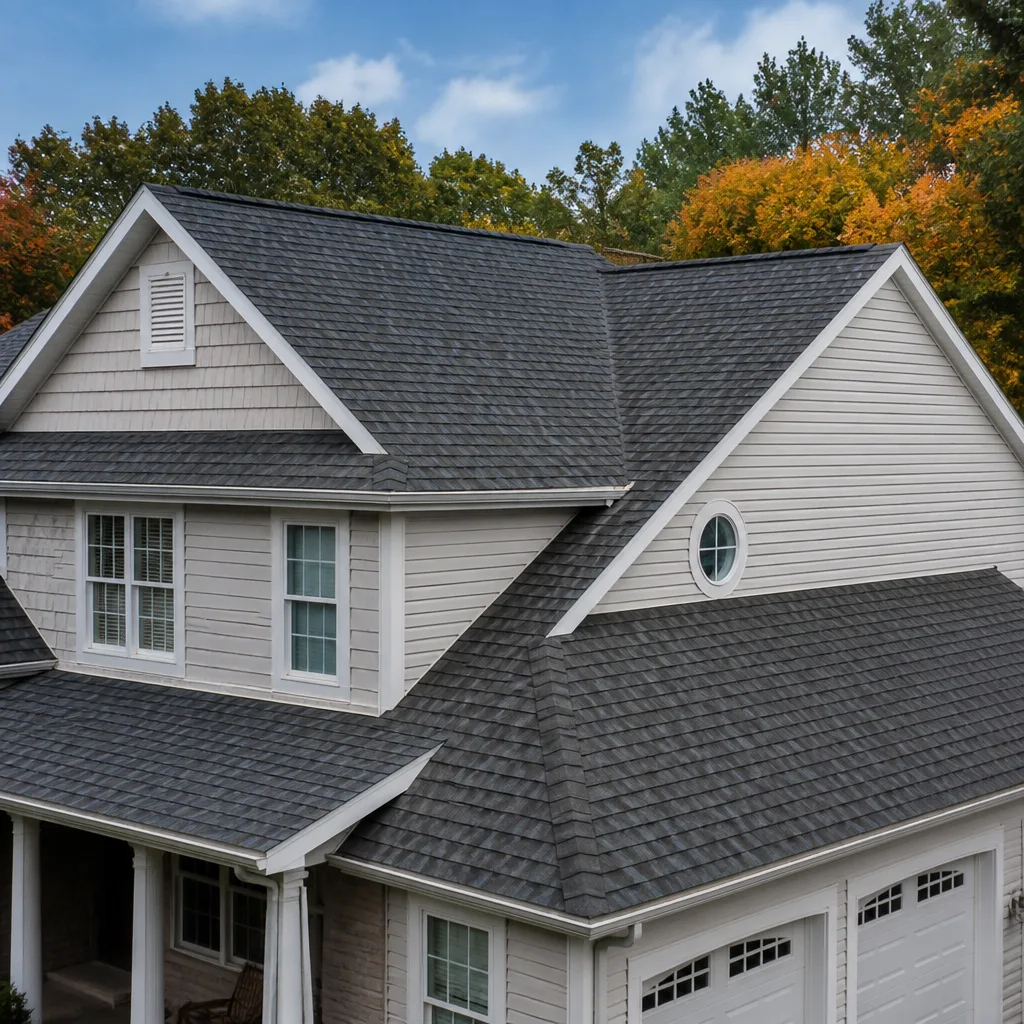 Architectural shingles
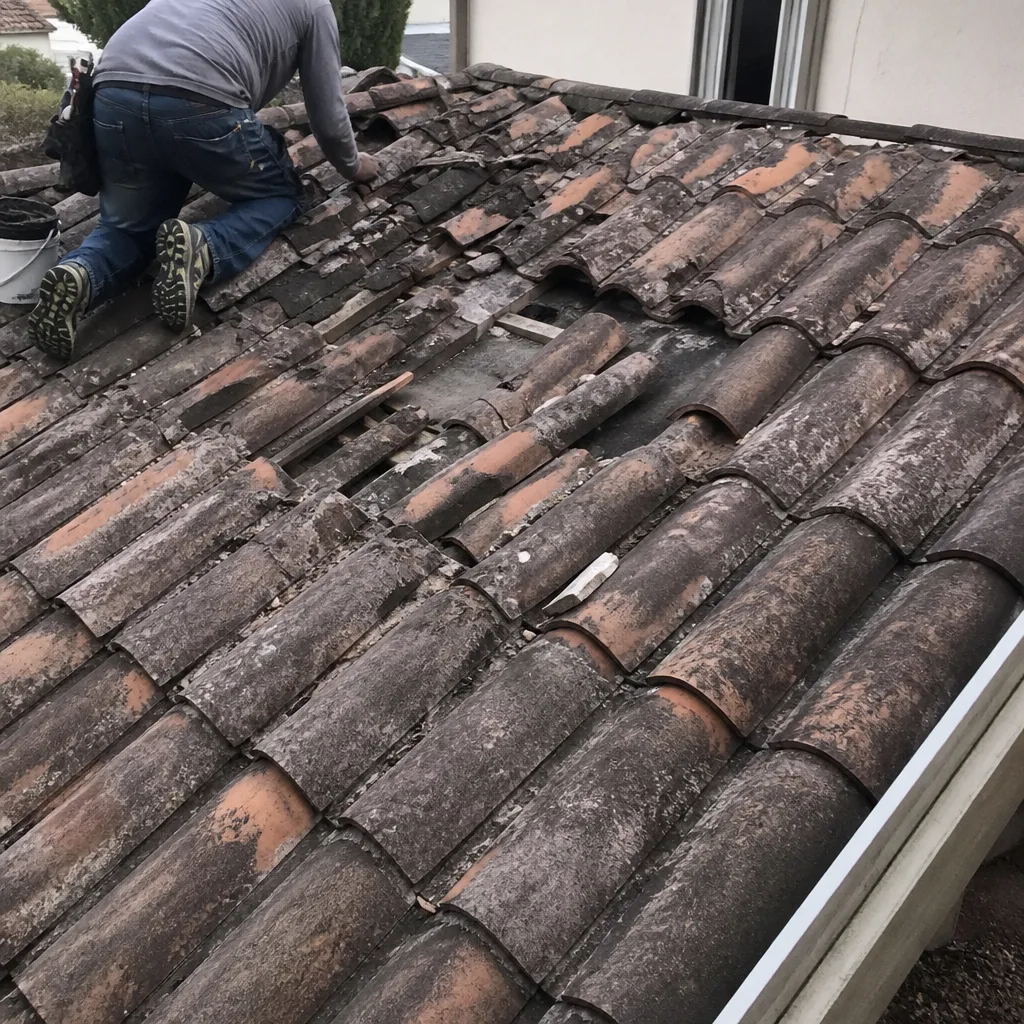
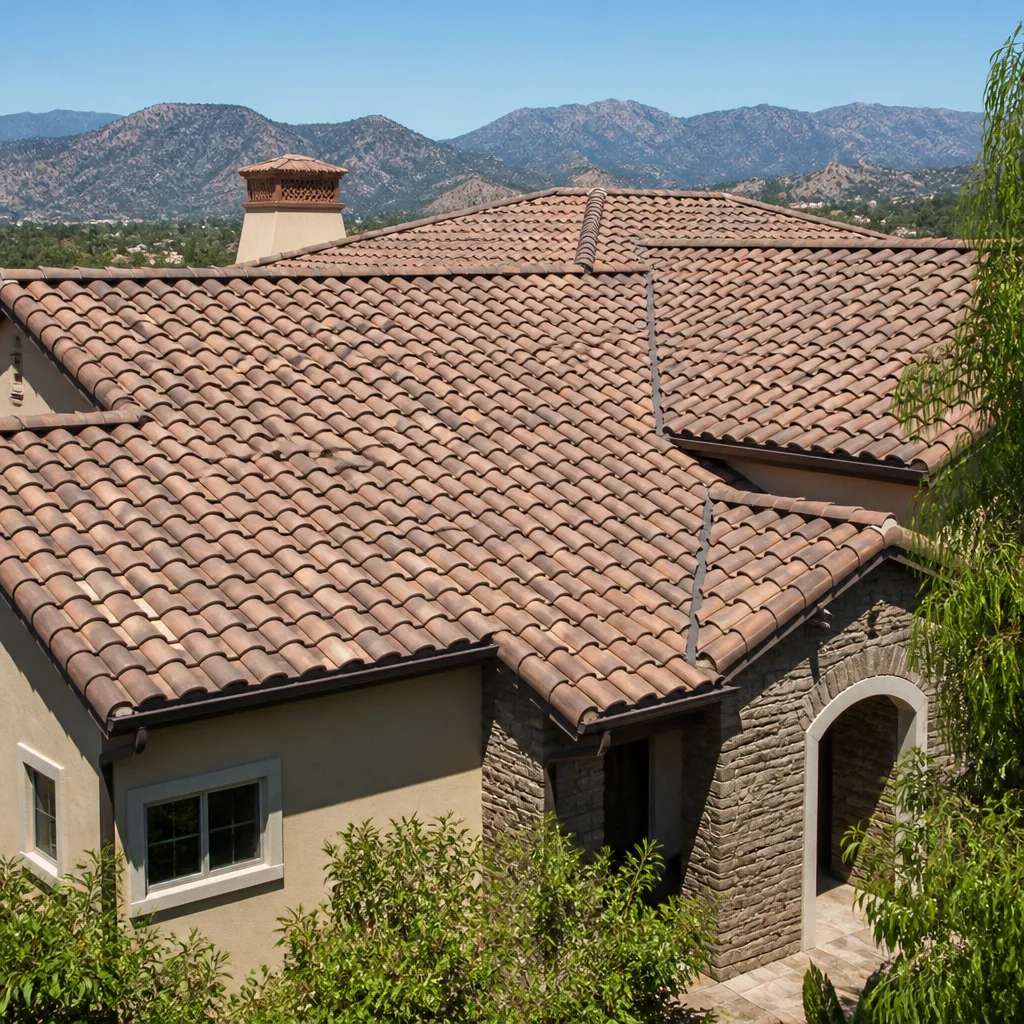 Tile roofing
 GAF
GAF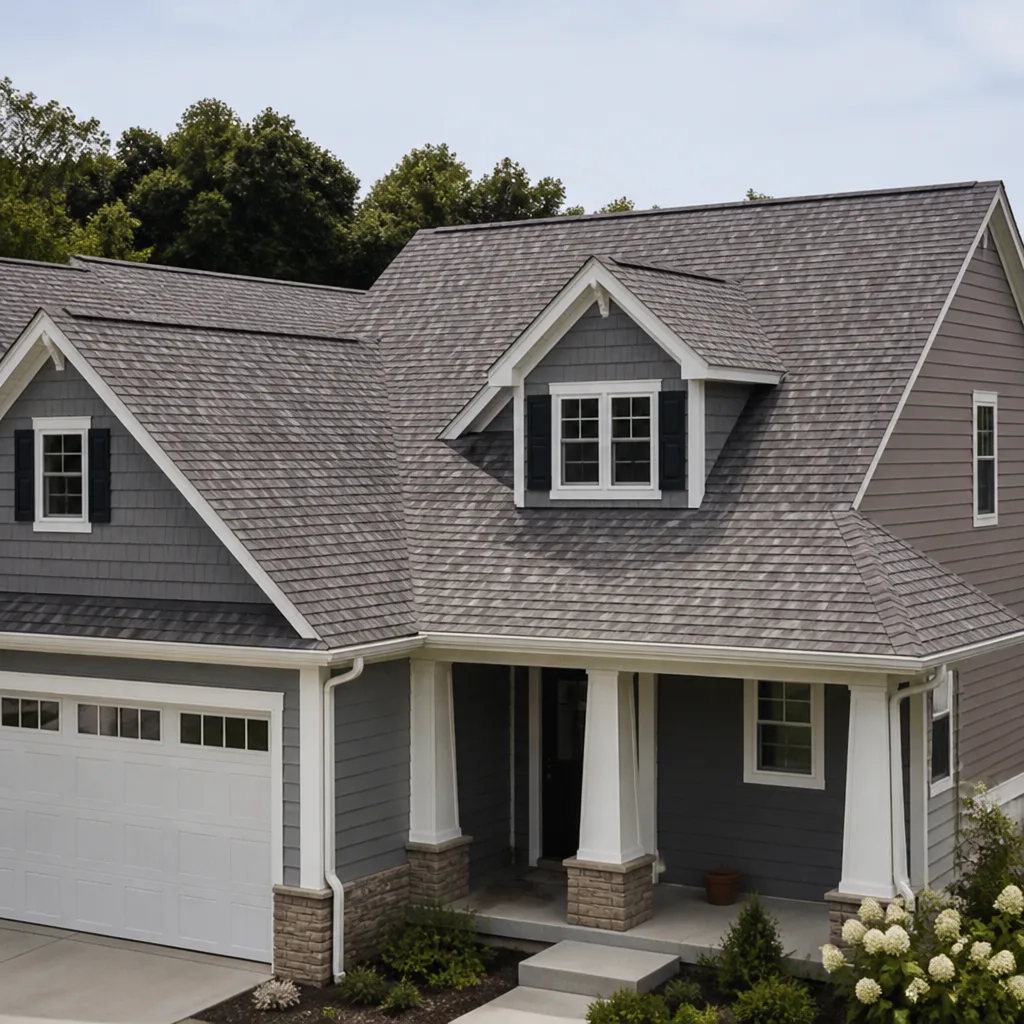 Owens Corning
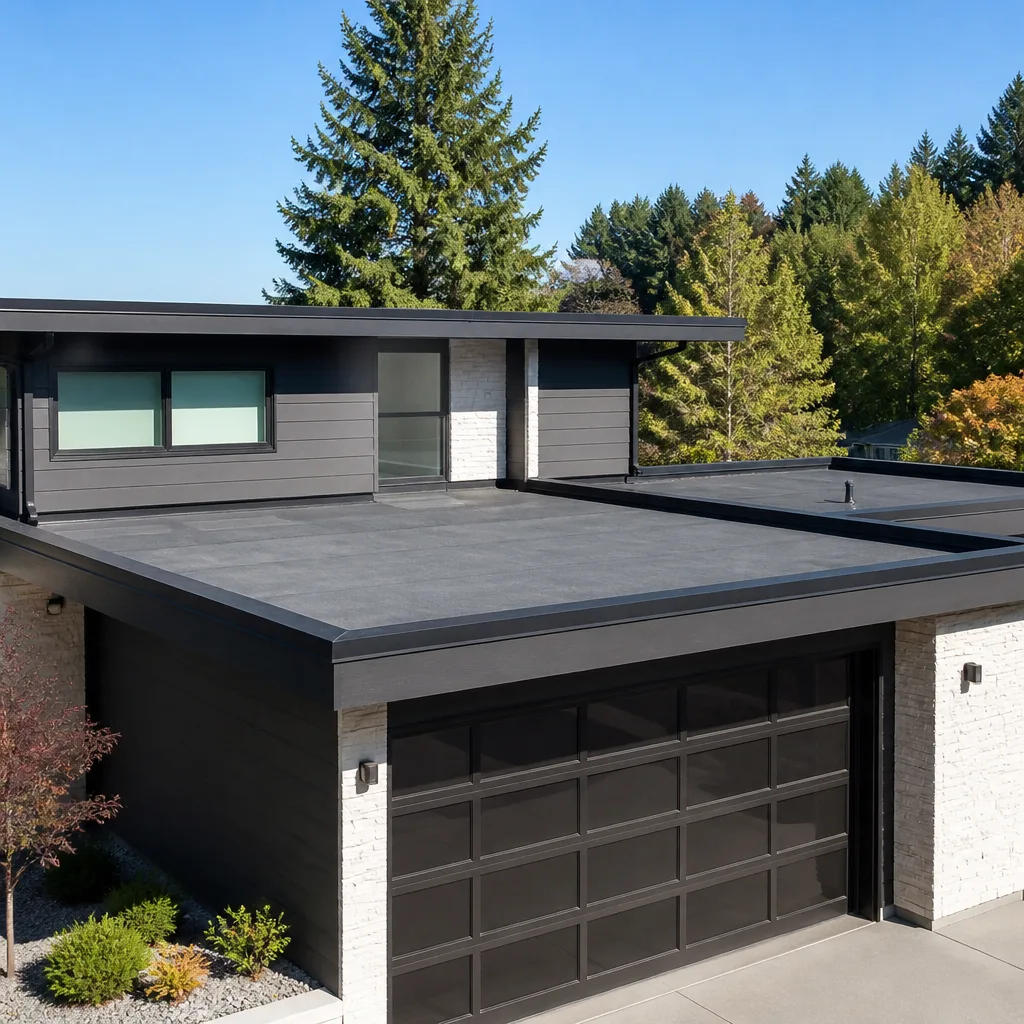 Flat & low-slope
Free roof inspection with deck photos before we talk money - GAF and Owens Corning certified installation
Seasonal Roofing Care for West Palm Beach: Year-Round Homeowner’s Guide
West Palm Beach gets roughly 62 inches of rain per year, and almost all of it falls between June and October. That single fact flips the entire logic of roof maintenance on its head. A roof that looked perfectly fine in April can have an active leak by July if two specific inspection tasks were skipped in spring. This guide walks through a maintenance calendar built for South Florida’s actual weather pattern: two distinct seasons, each demanding a different set of homeowner jobs. For a deeper dive, see The Complete Guide to Roofing in West Palm Beach. You’ll learn what to check before hurricane season starts, what to document after every named storm, and why December through March is the most underrated window for catching slow leaks before they become expensive ones.
Styles & brands we work with
Quick Answer
Seasonal roof care in West Palm Beach comes down to two windows: April – May prep before hurricane season, and December – March dry-season inspection and repair. The most important tasks before June 1 are clearing debris from valleys and scuppers, checking flashing seals at all penetrations, documenting your roof’s condition with dated photos, repairing any lifted or cracked shingles, and confirming your insurance policy is current. After each named storm, photograph everything from the ground and schedule a professional inspection if you spot lifted edges, exposed underlayment, or displaced flashing.
Table of Contents
- The Two-Season Reality of West Palm Beach Roofing
- April – May Pre-Season Prep: The Five Things That Matter Before June 1
- Post-Storm Assessment: What to Photograph, What Patterns Matter, and When to Escalate
- December – March Dry-Season Tasks: Finding Slow Leaks While the Sky Is Quiet
- UV Degradation in South Florida: What Three Months of Summer Sun Actually Does
- Coordinating Seasonal Inspections with Your Insurance Renewal
- Material Choices That Hold Up in Palm Beach County’s Climate
- Common Mistakes to Avoid
- When to Call a Professional
- Frequently Asked Questions
- The Bottom Line
The Two-Season Reality of West Palm Beach Roofing
Most roofing advice online is written for northern homeowners who think in four seasons: spring showers, summer heat, autumn leaves, winter ice. In West Palm Beach, that calendar is worse than useless. It points you toward gutter cleaning in October, when the real threat here is a June hurricane finding the one lifted shingle you never noticed. The climate in Palm Beach County actually creates two roofing seasons, and they demand opposite approaches.
Wet season (June through October): This is when the roof takes real abuse. Named storms, afternoon thunderstorms that drop two inches of rain in an hour, and sustained winds that work fasteners loose over months. The job during this window is monitoring. You’re not doing major repairs; you’re watching for what the weather exposes. Photograph after storms. Check ceilings after heavy rain. Note any new stains, even faint ones.
Dry season (November through May): The dry season is when repair work actually happens in West Palm Beach. The sky stays clear long enough for crews to tear off and reinstall without racing a storm. And because the roof isn’t getting drenched every week, this is the only time you can reliably find slow leaks: the ones that take hours of steady rain to show themselves. We’ve seen homeowners in neighborhoods like Flamingo Park and Southland Park discover a flashing leak in February that had been silently wetting their decking since the previous August. The dry season is your diagnostic window.
The smartest approach to a West Palm Beach roof is simple: prepare hard in spring, monitor closely in summer and fall, and repair thoroughly in winter. That sequence, repeated every year, prevents most of the expensive surprises a roof can hand you.
For a full breakdown of what a roof inspection includes in this climate, see our guide to Roofing Company in West Palm Beach services.
April – May Pre-Season Prep: The Five Things That Matter Before June 1
Every hurricane season, insurance adjusters walk through West Palm Beach neighborhoods looking at storm damage. And every year, they deny a certain number of claims because the damage was “pre-existing condition” – meaning the roof had a problem before the storm hit, and the storm just made it worse. Homeowners who can show dated photos from April or May proving their roof was in good shape before the season are in a far stronger position. Here are the five specific tasks to complete before June 1.
- Clear every drainage path. In West Palm Beach, flat and low-slope roofs often drain through scuppers or internal drains rather than gutters. A single clogged scupper can pond water on a roof membrane during a heavy storm, and ponding water finds its way through seams surprisingly fast. Check valleys on pitched roofs too: one palm frond wedged in a valley can divert a river of water under shingles. Clear everything by hand or with a blower. Don’t use a pressure washer on shingles; it strips granules.
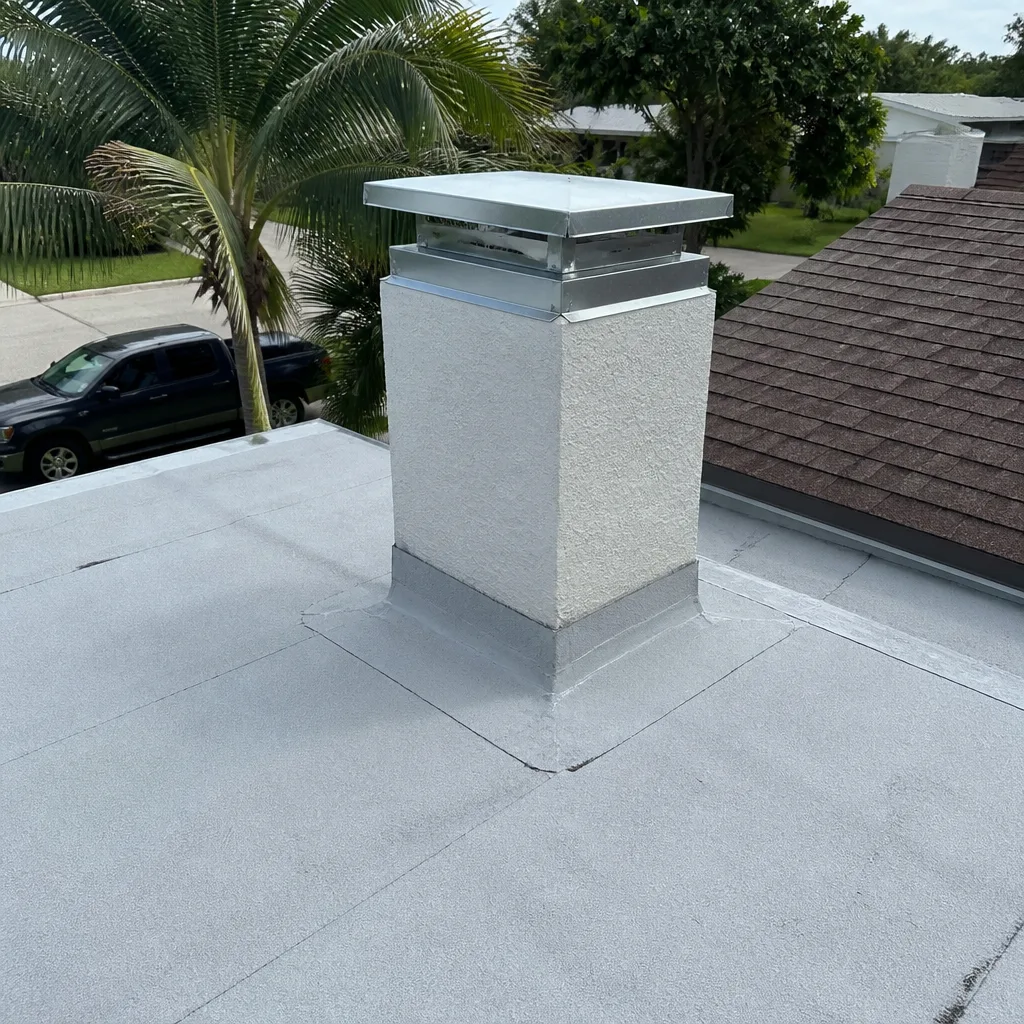
- Inspect every flashing and penetration. Flashing is the metal or membrane material that seals the places where the roof gets interrupted: vents, pipes, skylights, chimneys, HVAC curbs. In West Palm Beach’s humidity and heat, sealant at these points degrades faster than in most climates. Look for cracked caulk, rust on metal flashing, or any gap between flashing and the surface it’s supposed to seal. About 80% of the roof leaks we see in West Palm Beach start at a penetration, not in the field of shingles.
- Photograph the roof from all angles. This step costs fifteen minutes and can be worth thousands of dollars in an insurance claim. Get on a ladder (or use a drone or a long-lens camera from the yard) and document the whole roof surface, both the field and every penetration. Date the photos in the file name or in an album. These images become your proof-of-condition before hurricane season. If a storm later tears off shingles, you can show an adjuster exactly what the roof looked like in May.
- Repair lifted, cracked, or missing shingles. A shingle that’s lifted even a quarter inch catches wind like a sail. During a storm, that lifted edge becomes a tear point, and wind can peel back an entire slope starting from one bad shingle. Cracked shingles are worse: they let water through immediately and they’ve already lost their structural integrity. Replace anything damaged in April or May, while the weather still allows easy scheduling and before every roofer in Palm Beach County gets booked solid.
- Confirm your insurance policy and documentation. Every spring, read your policy’s windstorm provisions and confirm your deductible. Make sure your policy number is somewhere you can find it fast: phone, paper file, wherever. If you’ve done the photo documentation in step three, keep those photos backed up somewhere off your phone. A cloud folder with dated roof photos is a legitimate part of your insurance preparation. This is the season to act, not react.
We’ve seen too many West Palm Beach homeowners discover a missing shingle in September and realize they can’t prove it happened in a storm rather than months earlier. Thirty minutes of spring preparation prevents that argument entirely.
Post-Storm Assessment: What to Photograph, What Patterns Matter, and When to Escalate
After any named storm passes through West Palm Beach, the instinct is to climb up and look at everything. Resist that instinct. Immediately after a storm, your roof is wet, possibly wind-damaged in ways you can’t see from above, and more dangerous to walk than it ever is during normal conditions. Instead, do a systematic ground-level assessment first. Here’s the sequence that gives you the most useful information for the least risk.
- Walk the full perimeter of the house and photograph every slope. Use your phone’s zoom lens to get close shots of the ridge line, valleys, and any area where you see debris. What you’re looking for: shingles that are missing entirely (you’ll see exposed underlayment, which is usually black or gray felt), shingles that are lifted and won’t lie flat, and any shingle or tile on the ground in your yard.
- Check the ceilings inside every room, including closets. Storms can force water into the roof system in places that don’t show on the ceiling for days or weeks. But sometimes the first sign is already there: a faint ring, a slight discoloration, peeling paint. Photograph anything you find with a ruler or coin in frame for scale.
- Inspect the attic if you have one. Bring a flashlight and look at the underside of the roof decking. You’re looking for dark stains, white mineral trails (water evaporated and left minerals), or active moisture on the wood. All three are evidence the roof system let water through. Photograph everything.
- Check flashing points from the ground with a zoom lens. Storms do two things to flashing: wind peels it back, and wind-driven rain finds any gap that existed before the storm. Look at vent pipes, chimney edges, and where roof slopes meet walls. If you see metal pulled away from the surface, or any new gap, that’s a priority repair.
- Call in a professional if you see any of these. Exposed underlayment anywhere on the roof surface. Roofing material in your yard that you can’t identify from a single glance. Ceiling stains that weren’t there before. Any penetration of the roof by a branch or object. Or simply: you’re not sure. In every one of those cases, get a professional inspection before the next rain arrives.
The reasoning behind ground-level assessment first is simple: a roof that survived a storm can still be structurally compromised from the underside. A professional roofer knows how to test for soft decking before putting weight on it. We do this work every week during storm season, and honestly, the biggest thing homeowners miss is that water can enter the roof system and travel sideways before it shows on a ceiling. The visible damage is rarely the whole story.
If you need a post-storm inspection after a named storm passes through West Palm Beach, Roof Repair in West Palm Beach covers inspection and repair work across the area.
December – March Dry-Season Tasks: Finding Slow Leaks While the Sky Is Quiet
December in West Palm Beach means one thing for your roof: the rain has stopped, and it won’t return in force for five months. That’s the diagnostic window, and it’s the most underused season in the roofing year. Most homeowners wait until a leak shows up in July or August, when the rain is constant and the roofer’s schedule is packed. The smart play is to find the leak in January, when the sky is clear and the crew can work without rushing.
Here’s why slow leaks are so hard to find during the wet season: the rain is so frequent that water never fully dries out of the system, and the signs of a leak (stains, wet spots) blend together across multiple storms. You can’t tell if that ceiling stain is from last week’s storm or last month’s. In the dry season, however, everything has time to dry out. A leak that only appears during extended rain becomes easier to trace because it’s the only moisture in the system.
The dry season is the right time to look at:
- Flashings at every pipe, vent, and skylight. In the dry season, cracked sealant is easier to see because it’s aged and hardened. You can run a hose test on a specific penetration and observe whether water enters the attic during a controlled, short simulation. That kind of controlled testing is nearly useless during the wet season because everything is already wet.
- Seams in flat or low-slope roof membranes. West Palm Beach has a high percentage of flat roofs on mid-century and contemporary homes. The seams in rolled roofing or single-ply membranes are the first place these roofs fail. During the dry season, you can clean and inspect every seam, and repair any that are opening before the next rainy season arrives.
- Caulk and sealant at roof-to-wall junctions. This is a chronic failure point in South Florida because heat and humidity attack the adhesive bond. In the dry season, you can see the cracks and gaps clearly without rain streaking down the wall to obscure them.
- Interior ceiling spots that lingered after last summer. If a stain appeared in September and you’re looking at it in January, the dry season is the time to trace it back to the roof penetration or seam that caused it, while the water trail is the only sign in an otherwise dry system.
We’ve had customers in West Palm Beach neighborhoods like El Cid and Grandview Heights call us in January for a small flashing repair that cost a few hundred dollars, and we’ve also had customers wait until August and call us for the same problem plus water-damaged drywall plus mold remediation. The dry-season repair is always cheaper. The wet-season repair is always more urgent. Same roof, same problem, but one of those phone calls happens six months too late.
If your roof has been through two or more hurricane seasons since its last full inspection, January or February is the right time to schedule that work. See Roof Replacement in West Palm Beach for situations where the damage is extensive enough that repair no longer makes sense.
UV Degradation in South Florida: What Three Months of Summer Sun Actually Does
Here’s a fact most roofing guides don’t tell you: the sun does more long-term damage to a West Palm Beach roof than the storms do. Storms cause dramatic, visible failures. The sun causes slow, invisible ones. A roof in South Florida absorbs roughly the same amount of UV radiation in one summer that a roof in Boston absorbs in three years. That accelerated exposure changes how you should think about maintenance.
UV degradation shows up in three specific ways:
- Accelerated granule loss. Asphalt shingles are coated with ceramic granules that protect the asphalt substrate from direct UV. In South Florida’s sun, those granules loosen faster because the asphalt binder heats and softens daily. You’ll see granules collecting in gutters and at the base of downspouts. A small amount is normal. But if you’re seeing a consistent stream of granules every dry season, the shingles are losing their protective layer, and the bare asphalt underneath is now directly exposed to the sun. Once that happens, the shingle begins to crack and curl within months, not years.
- Cracking and brittleness at the edges. Shingles that look fine from the ground may be curling or becoming brittle at the corners. This is the first visible sign of UV age. Shingles in northern climates can be 20 years old before they show these signs. In West Palm Beach, we see it in shingles 8 to 12 years old, depending on the quality and color of the material. Darker colors heat up more and degrade faster.
- Surface oxidation on metal and membrane roofs. Metal roofs develop a chalky surface as the paint finish oxidizes under UV. Single-ply membranes develop hairline cracks and lose flexibility. Both are cosmetic at first, but they signal the material’s protective layer is compromised. Once that layer fails, the substrate beneath is exposed to both UV and moisture, and the decline accelerates quickly.
What should a West Palm Beach homeowner do about UV degradation? The same thing you do about storm damage. Inspect every dry season. Look for granule accumulation, curling edges, chalky or bare spots, and fading that seems uneven. If you see these signs, address the affected area with a repair or partial replacement before the wet season exposes the degraded material to rain. UV damage is time-sensitive because the degraded shingle is weak, and the first good storm will tear it off.
Some material choices hold up better than others in this climate. We’ll cover that in the next section.
Coordinating Seasonal Inspections with Your Insurance Renewal
Most West Palm Beach homeowners don’t think about their roof and their insurance policy at the same time. They renew the policy when the bill comes, and they think about the roof when it rains. That separation is costly. Your insurance renewal is the single best forcing function for seasonal roof care, and here’s the sequence that makes it work.
Step 1: Find your policy’s renewal month. Write it down. This is now the month you schedule your annual roof inspection. If your policy renews in March, your inspection happens in March. If it renews in September, your inspection happens in September. Either works; the point is that the two events happen together so neither gets forgotten.
Step 2: Time the inspection to the dry season when possible. If your renewal month falls in the wet season (anytime June through October), schedule the inspection for the earliest dry-season date that’s still within 60 days of renewal. This keeps your documentation fresh for the insurance company while ensuring the roofer can actually see the roof in clear conditions. The insurance company doesn’t require the inspection to be on the exact renewal date; they care that it’s recent.
Step 3: Keep the inspection report and photos in the same folder as your insurance policy. When an adjuster asks for documentation after a storm, you want a single folder that contains: your policy declarations page, your last inspection report, and your dated photos from the last dry season. This is your insurance claim file, and it should be complete before the storm happens, not assembled in the panic afterward.
Step 4: If the inspection finds real damage, fix it or replace it before the renewal date. Insurance companies in Florida have become faster to cancel or non-renew policies on homes with roofs that are visibly aging. A documented inspection showing a healthy roof is the strongest evidence you can offer. A documented inspection showing unrepaired damage is evidence the insurance company will use against you at renewal. Fix the damage, keep the repair receipt, and send both to your insurer if they ask.
We hear from homeowners in West Palm Beach every year who had their insurance non-renewed because an aerial image or a drive-by inspection showed granule loss or edge curling. In many cases, a single repair followed by a professional inspection report would have kept the policy in force. The documentation is your leverage, and it only works if you create it during the dry season when the roof is actually visible.
Material Choices That Hold Up in Palm Beach County’s Climate
The roof material you choose in West Palm Beach determines how much of this maintenance calendar applies to you. Some materials shrug off the binary wet-dry cycle and the UV load; others require constant attention. Here’s the realistic comparison, based on what we see across the homes in Palm Beach County.
Asphalt shingles (CertainTeed, Owens Corning, IKO, Atlas): The most common roofing material in West Palm Beach because it balances upfront cost with acceptable performance. The three-tab shingle is the weakest choice in this climate: thin, light, and easily lifted by wind. Architectural or dimensional shingles are heavier and carry higher wind ratings, and are the minimum we recommend for a pitched roof in this market. Expect 12 to 18 years from architectural shingles under Palm Beach County’s sun, depending on color, ventilation, and maintenance. Granule loss is the key aging sign, and it’s why the dry-season inspection should include a gutter check.
Tile (concrete or clay): Popular in the older neighborhoods of West Palm Beach, like Northwood and Old Northwood, because it suits the architectural style and handles the heat well. Tile lasts a long time if the underlayment beneath it stays intact. The problem is that tile does not protect the underlayment from UV: the underlayment is the actual waterproofing layer, and it degrades faster than the tile above it. Tile roofs need underlayment replacement every 20 to 30 years even if the tiles themselves are still in good shape. And broken tiles from falling branches are a constant minor repair item.
Metal: Standing-seam metal is one of the best performers in West Palm Beach’s climate. It sheds rain fast, handles hurricane winds, and reflects a good portion of the UV. Its limitation is cost: metal is often twice the price of asphalt shingle. But if the budget allows, it’s the lowest-maintenance, longest-lasting option for a pitched roof in this area.
Single-ply membrane (flat roofs): For the many flat and low-slope roofs in West Palm Beach, the choice is typically TPO, PVC, or modified bitumen. These materials sit directly under the Florida sun year-round, and their seams are the weak point. We recommend flat-roof homeowners inspect seams twice a year, not once, and plan for seam resealing every three to five years as part of normal maintenance.
Whichever material you have, the maintenance calendar in this guide still applies. The difference is which signs you watch for: granules and curling on asphalt, broken tile and underlayment wear on tile, oxidation and seam failure on metal and membrane. Knowing your material tells you what to look for during the inspections.
Common Mistakes to Avoid
- Treating the roof like a once-a-decade project. In West Palm Beach’s climate, a roof that gets no attention for ten years is a roof that’s quietly failing. The wet-dry cycle is too aggressive for neglect. Seasonal attention is not optional here; it’s the difference between a roof that lasts 15 years and one that fails at 10.
- Postponing the spring prep until June. The April – May window exists for a reason. After June 1, every roofer in Palm Beach County is booked with storm-responsiveness, and the rain makes many inspections and repairs impossible for weeks at a time. Homeowners who wake up in July and decide to get the roof checked have already missed the window.
- Using a pressure washer on asphalt shingles. Pressure washing strips granules off the shingle surface, which accelerates UV degradation and shortens the roof’s life. The same applies to tile and metal. If your roof looks dirty in the dry season, use a low-pressure rinse or call a professional who knows how to clean without damaging the surface.
- Climbing onto the roof after a storm to “check things out.” Wet shingles are slippery. Wind-damaged decking may not hold your weight. And the areas most likely to fail after a storm are the edges, which are exactly where you don’t want to be standing. Ground-level assessment first, always.
- Ignoring interior signs of a leak during the dry season. A ceiling stain that appeared in September and is still there in January is a sign the leak is either ongoing or the water hasn’t fully dried. The dry season is exactly the right time to trace that stain back to its source, while everything else is dry and the repair is simple.
- Assuming a new roof means no maintenance needed. Even a new roof in West Palm Beach needs its spring prep and post-storm checks. New roofs fail too, usually at a flashing or penetration that was installed incorrectly and exposes itself under the first heavy rain. The maintenance calendar starts on day one, not year ten.
When to Call a Professional
Some of this guide’s inspection work you can do yourself: ground-level photographs after storms, gutter and scupper clearing in spring, checking for ceiling stains and attic moisture. But certain situations call for a professional, and recognizing them is part of smart roof ownership. See How to Hire a Roofing Contractor in West Palm Beach: A Step-by-Step Guide for what to look for.
Call a pro if you see exposed underlayment anywhere on your roof, if roofing materials are on the ground after a storm, if a leak stains your ceiling in more than one room, if granule accumulation in your gutters is heavy or sudden, or if your roof is more than 12 years old and hasn’t had a documented inspection in the last two years. Also call if you simply don’t want to climb a ladder: a professional inspection costs far less than a hospital visit from a fall. Birchbark Roofing West Palm Beach home offers free estimates in West Palm Beach – call (728) 220-0842.
Frequently Asked Questions
Twice a year is the right cadence for West Palm Beach: once in April or May before hurricane season, and once in January or February during the dry season. The spring inspection focuses on storm readiness, and the dry-season inspection focuses on finding slow leaks while the roof is dry enough to show them clearly. A single annual inspection in fall misses both windows.
Most roof inspections in West Palm Beach run between $150 and $350 depending on the roof’s size, slope, and accessibility. Some companies offer free inspections as part of a broader service estimate. The number to focus on isn’t the inspection price; it’s the cost of not inspecting: a single missed flashing gap can turn a $400 repair into a $4,000 drywall, insulation, and mold job. Call (728) 220-0842 for an exact quote.
Yes, you can and should do a ground-level assessment after any named storm: walk the perimeter, photograph every slope with your zoom lens, check ceilings and attic space. What you should not do is climb onto a wet roof with possible hidden decking damage. If you see exposed underlayment, missing material, or anything that concerns you, call a professional for the on-roof inspection.
Most residential roof replacements in West Palm Beach take between three and seven days, depending on the roof’s size, pitch, material choice, and whether tear-off is included. Tile and metal installations take longer than architectural shingle. The dry season is the best window for scheduling because the crew can work uninterrupted by rain.
Most Florida insurers don’t require inspections as a policy condition, but many are now using aerial imagery and drive-by reviews to assess roof condition at renewal time. If the images show granule loss, curling edges, or obvious age, the insurer may non-renew the policy regardless of whether you’ve had an inspection. A documented professional inspection that shows a healthy roof is your best evidence to push back. Read your policy’s inspection clauses and keep your records current.
The dry season, December through March, is the best time to replace a roof in West Palm Beach. The weather is stable enough for crews to work full days without storm interruptions, and the dry conditions allow for proper membrane and adhesive installation. Spring and fall are also workable. Summer replacements are possible but often get delayed by afternoon thunderstorms, which can stretch a five-day project into two weeks.
The Bottom Line
West Palm Beach has two roofing seasons: a wet season that punishes neglect and a dry season that rewards preparation. The homeowner who spends an hour in April clearing debris, photographing the roof, and checking flashings is the homeowner who sails through hurricane season without a claim – and without the gut-punch of an adjuster denying one for “pre-existing condition.” The homeowner who ignores the roof until July is the one we meet in the worst circumstances: wet insulation, stained drywall, a family living under a tarp. The difference is a seasonal habit. One inspect-and-document pass in spring, one ground-level assessment after every storm, one thorough dry-season check in January. That’s the entire system. It’s not complicated, it’s not expensive, and it’s the most reliable way to keep a West Palm Beach roof doing its job for as long as the materials allow. If you’d like help building this habit, Birchbark Roofing West Palm Beach offers free estimates at (728) 220-0842.
Written by Erik Lindgren, Owner at Birchbark Roofing West Palm Beach, serving West Palm Beach since 2000.
See the difference
 Before
 After
After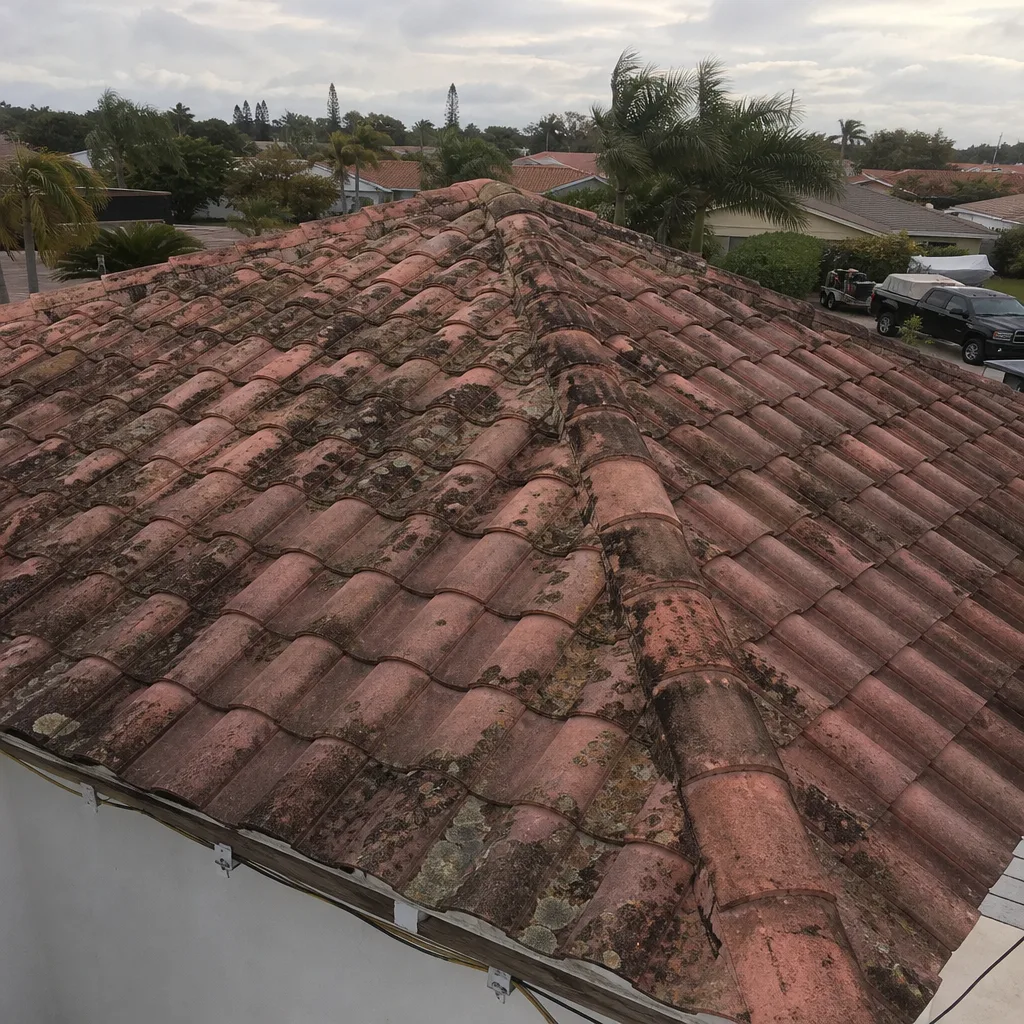 Before
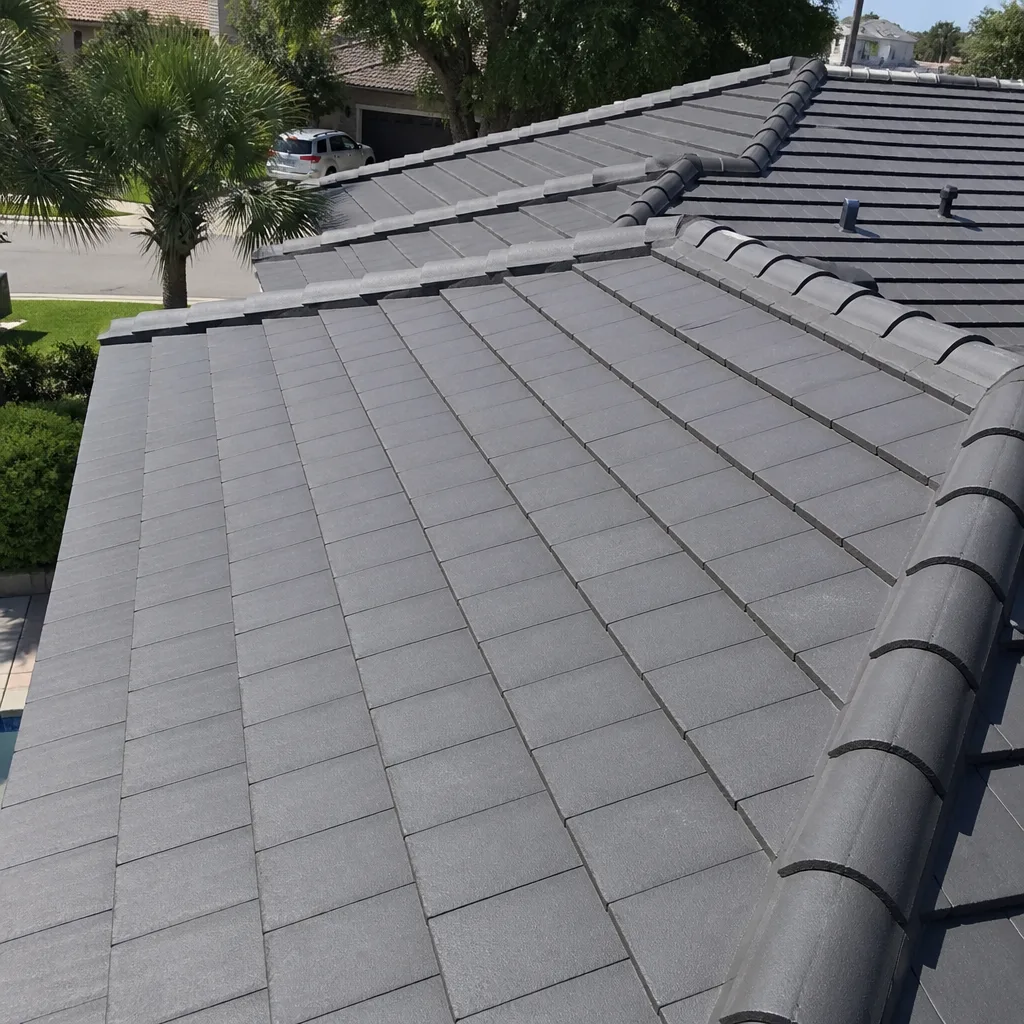 After
After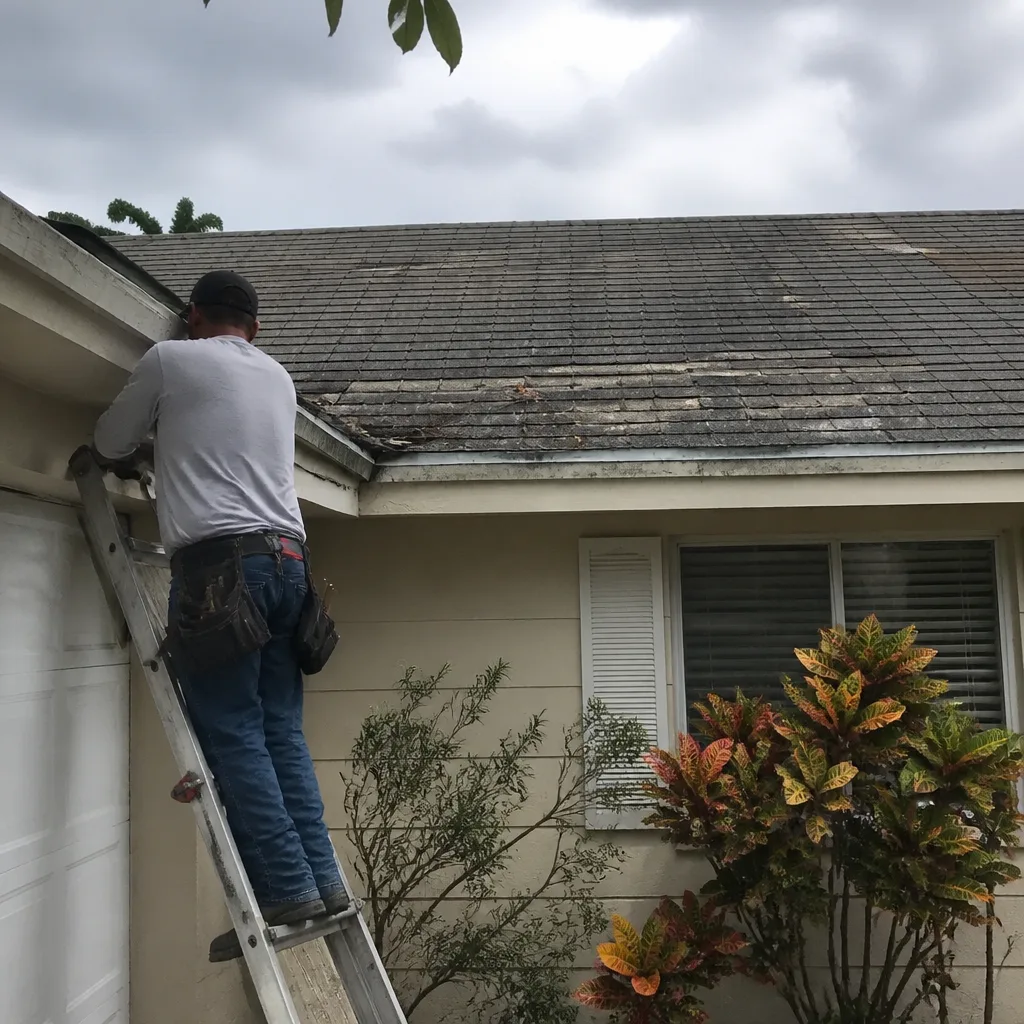 Before
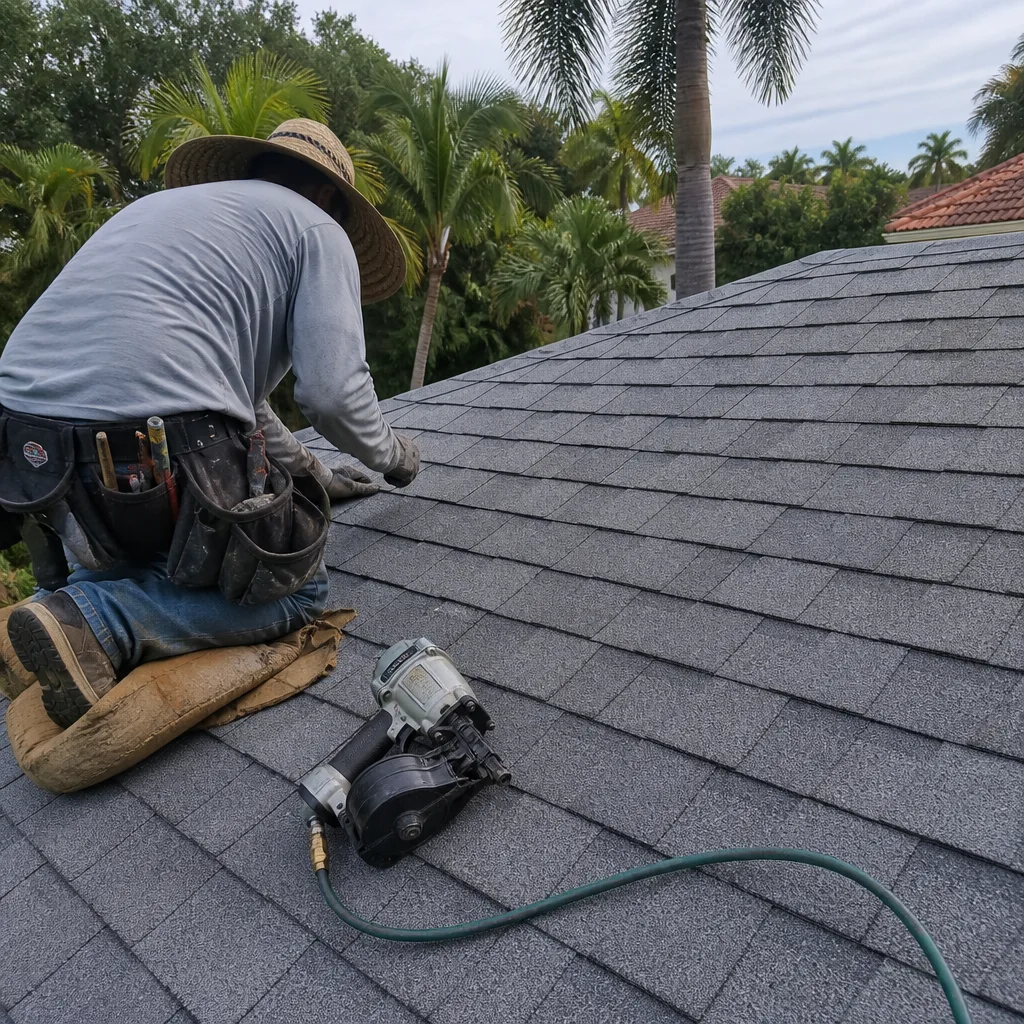 After
After