
Last updated October 17, 2026
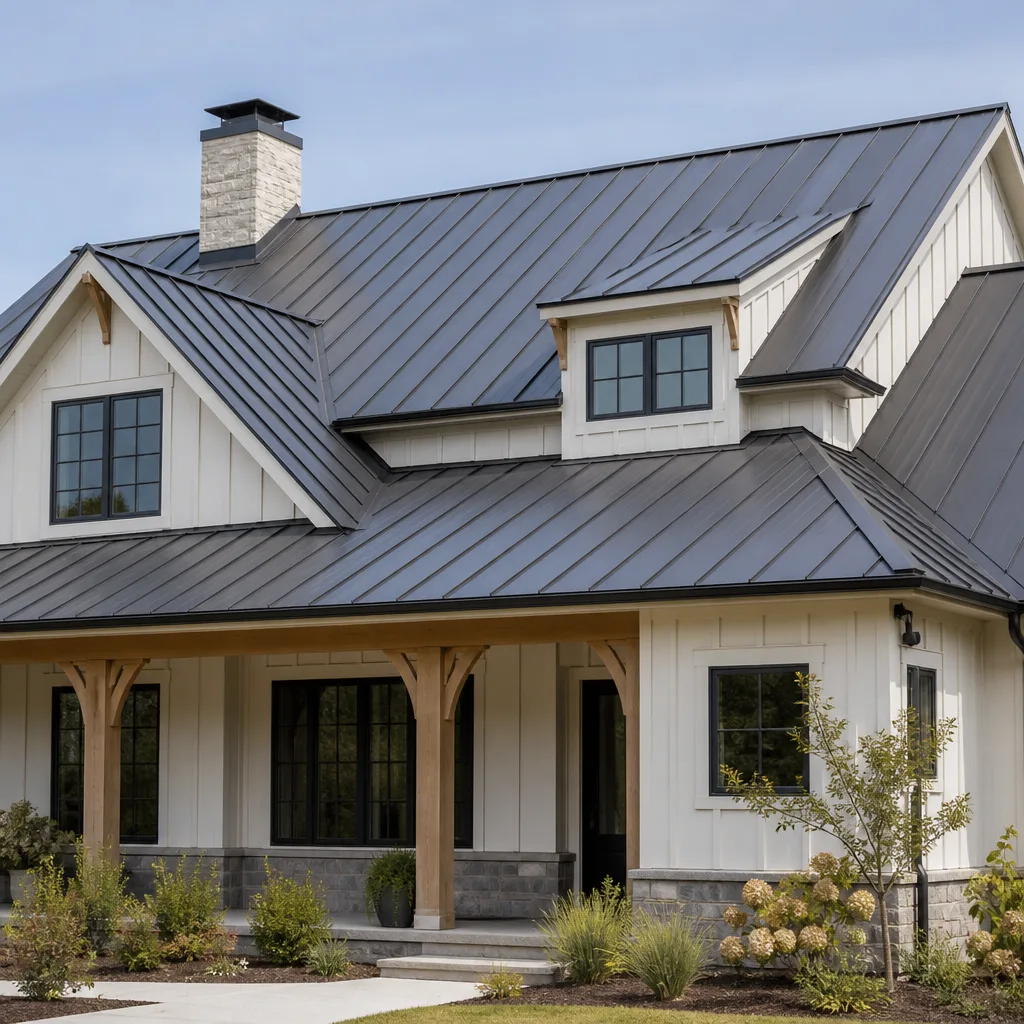 Metal roofing
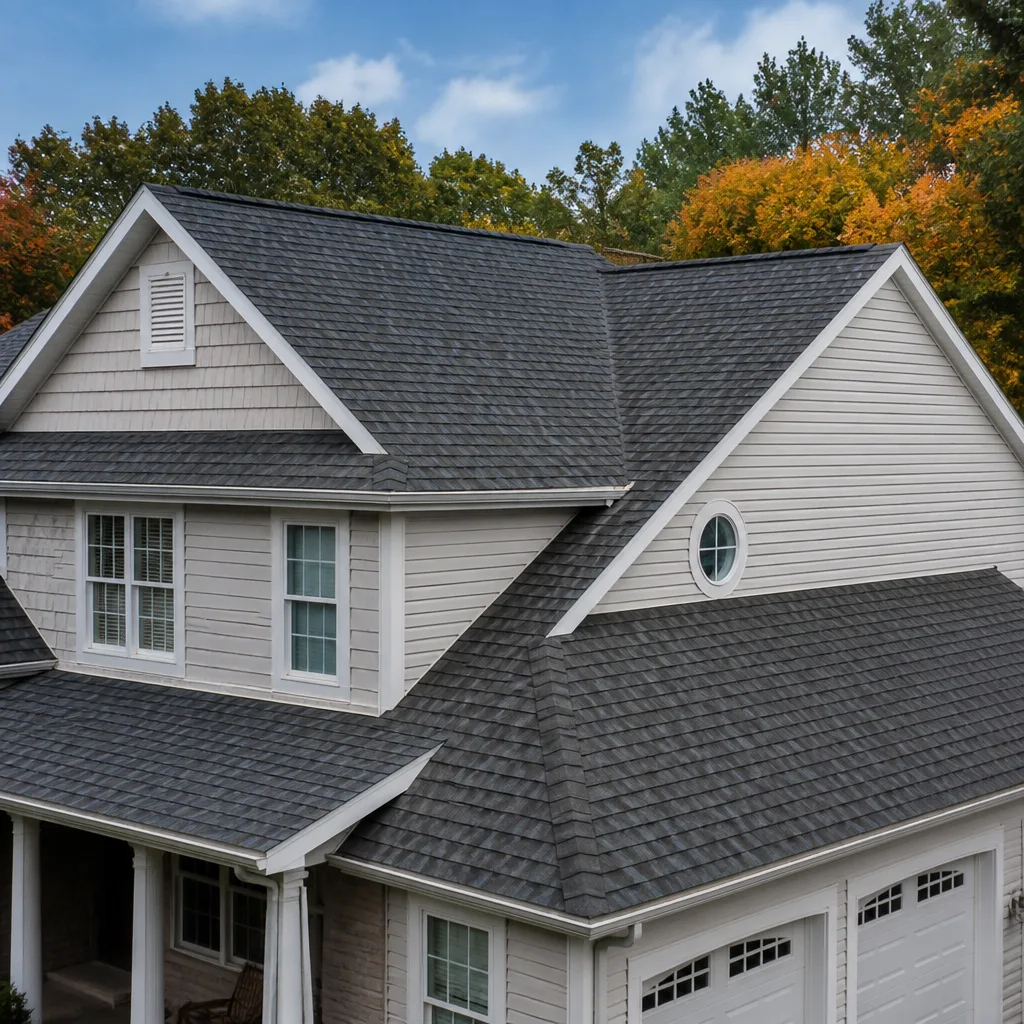 Architectural shingles
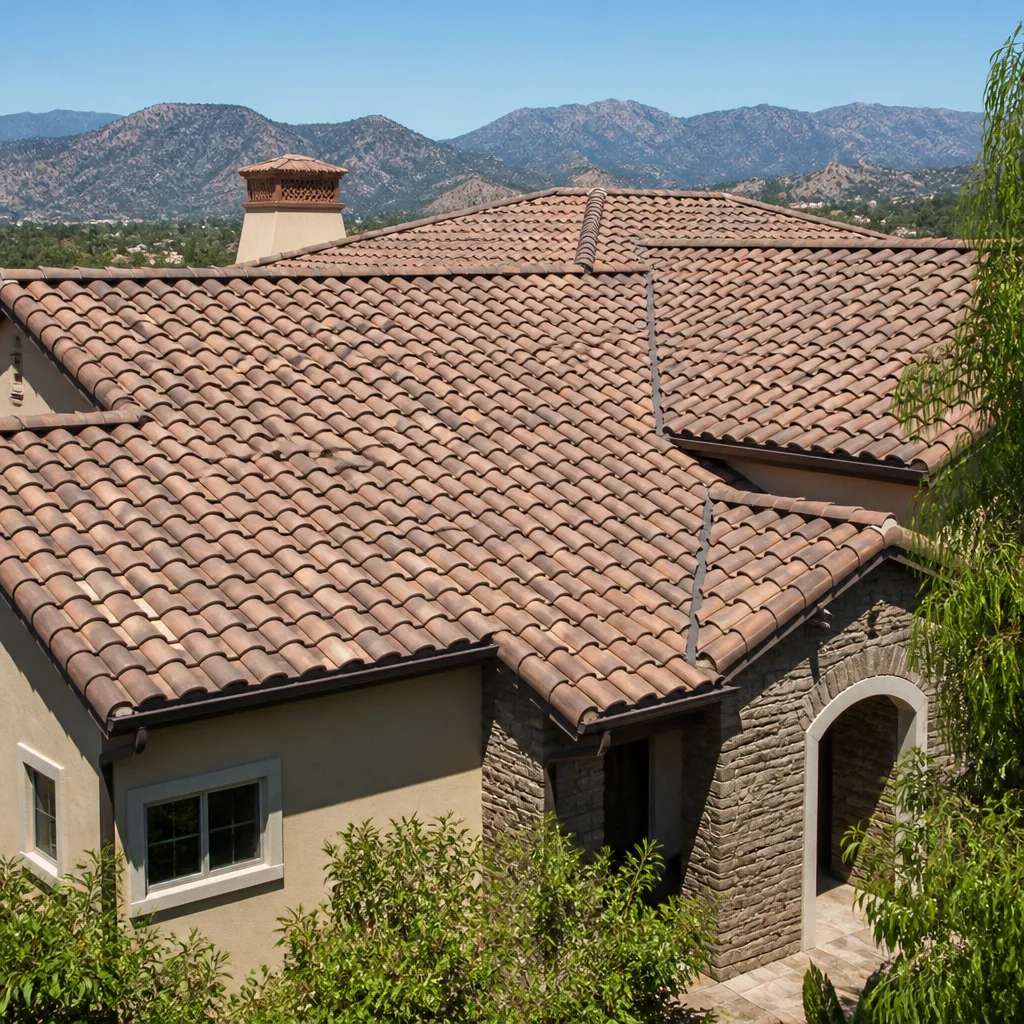 Tile roofing
 GAF
GAF Owens Corning
 Flat & low-slope
Free roof inspection with deck photos before we talk money - GAF and Owens Corning certified installation
Roofing Permits, Codes & Inspections in FL: What You Need to Know
A West Palm Beach homeowner paid $14,000 for a roof repair completed without a permit. Two years later, a hurricane pushed water through the same section. The insurance adjuster reviewed the claim, checked county records, and denied it. The reason: the prior unpermitted work had altered the roof’s load path, a structural change the homeowner had no way of knowing about because no inspector ever reviewed it. This guide explains how Florida roofing permits actually function, what Palm Beach County requires, which mistakes cost homeowners money, and how inspections protect the person who sleeps under the roof. For a broader overview, see our Complete Guide to Roofing in West Palm Beach.
Quick Answer
In Florida, most roof replacements, structural repairs, and any re-roof covering more than 25% of a roof’s surface require a permit. In Palm Beach County, the permitting process runs through the local municipality (West Palm Beach, Lake Worth Beach, Boca Raton, or unincorporated county) and High Velocity Hurricane Zone product rules apply. A typical re-roof in West Palm Beach needs three inspections: dry-in, sheathing, and final. Skipping any of this is the most common reason insurance claims get denied after the next storm.
Styles & brands we work with
Table of Contents
- Why Florida Roofing Permits Are Different From the Rest of the Country
- What Requires a Permit in Palm Beach County (and What Doesn’t)
- High Velocity Hurricane Zone Product Approval: The Rule Most Homeowners Never Hear About
- The Three Inspection Stages for a Re-Roof in West Palm Beach
- How an Unpermitted Roof Affects Selling Your Home
- Owner-Builder Permits: What They Mean and Why Insurers Treat Them Differently
- What Permits Cost and How Long the Process Takes
- Common Mistakes to Avoid
- When to Call a Professional
- Frequently Asked Questions
- The Bottom Line
Why Florida Roofing Permits Are Different From the Rest of the Country
Florida roofs face wind loads that most states never design for. A roof in Ohio resists snow. A roof in West Palm Beach has to resist a Category 4 hurricane pushing 150 mph gusts against the eaves, the ridge, and every seam. The permit process exists because the building code here is a matter of public safety, not paperwork. When a roof fails in Florida, it doesn’t just leak. Sections of decking peel off and become airborne debris that hits neighboring homes.
Florida operates under a single unified building code, the Florida Building Code (FBC), now in its 8th edition. But within that framework, Palm Beach County sits inside a special designation called the High Velocity Hurricane Zone (HVHZ). Miami-Dade and Broward Counties share this designation. The rest of Florida uses different wind-load standards. This matters for one reason: a roofing material that meets code in Orlando or Tampa may not be legal to install in West Palm Beach, even if the manufacturer’s marketing says “Florida approved.”The HVHZ is stricter about uplift resistance, fastener patterns, and product testing. A contractor who doesn’t work regularly in Palm Beach County may not realize the difference. We’ve seen homeowners buy materials from out-of-area suppliers, only to fail inspection because the product number wasn’t on the HVHZ-approved list.
The permit is the document that connects your specific roof, your specific materials, and your specific installer to the code requirements. Without it, none of that compliance gets recorded. And when something goes wrong, a lack of records is the first thing an insurer checks.
What Requires a Permit in Palm Beach County (and What Doesn’t)
The short version: any structural change to a roof requires a permit. The longer version includes several scopes that surprise homeowners, especially the 25% rule.
Work That Requires a Permit
- Full roof replacement: always requires a permit, no exceptions. This includes tear-off and re-cover jobs.
- Re-roofing more than 25% of the roof surface: this is the rule that trips up most “partial repair” projects. If the damaged area exceeds one-quarter of the total roof area, Florida requires the entire roof to be brought up to current code, and a permit is mandatory. Many homeowners think they can patch a large section. The county considers that a re-roof.
- Structural repairs: any work on rafters, trusses, sheathing replacement beyond a few sheets, or changes to the roof’s load path.
- Skylight installation or replacement that alters the opening: if the roof deck changes, the permit comes with it.
- Solar panel installation with roof penetrations: roof-mounted solar always requires a permit, and the structural load must be verified.
Work That Does Not Require a Permit
- Minor repairs under 25% of the roof surface: replacing a handful of shingles, a small section of underlayment, or a single vent collar.
- Cosmetic work: repainting a metal roof, cleaning, sealing around a pipe boot, or replacing a chimney cap without structural changes.
- Gutter work: gutter replacement or repair, provided it doesn’t alter the roof edge structure.
One caution here: just because work doesn’t require a permit doesn’t mean it shouldn’t be done to code. We routinely repair small leak repairs in West Palm Beach where a previous contractor nailed through the underlayment wrong, creating a leak that grew over two rainy seasons. The repair didn’t need a permit. But it needed to be done correctly. Ask whoever does the work to explain what they found and what they’re fixing. A good contractor will show you photos. The team at Birchbark Roofing West Palm Beach documents every repair with before and after photos, including the attic view when the leak reached the interior.
High Velocity Hurricane Zone Product Approval: The Rule Most Homeowners Never Hear About
Here’s a scenario we see in Palm Beach County more often than we’d like. A homeowner gets a quote for a certain shingle or membrane. The price looks good. The contractor installs it. The inspector arrives for the final and fails the job. Why? The product wasn’t on the HVHZ-approved list for Palm Beach County.
The Florida Department of Business and Professional Regulation maintains a database of building products that have been tested and approved for use in the HVHZ. A material can be code-compliant in Jacksonville, Atlanta, or Dallas, and still not be legal in West Palm Beach. The testing is specific: wind-uplift resistance, impact rating, and fastener compatibility. Materials from reputable brands go through this process, but not every product in a brand’s catalog has been submitted. A contractor who doesn’t pull permits regularly in Palm Beach County may not check.
This is one of the hidden benefits of pulling a permit. The inspection process verifies that the materials on your roof are the same materials on the approval. Without a permit, there’s no verification. You might pay for a roof that would fail its first hurricane and have no idea.
We work with materials from GAF, CertainTeed, Owens Corning, IKO, Atlas, and Tamko, and we verify HVHZ product approval on every single roof before we order materials. If a product isn’t approved, it doesn’t go on the truck. That check takes us a few minutes and saves homeowners from a failed inspection, delayed job, and potential insurance problems.
The Three Inspection Stages for a Re-Roof in West Palm Beach
A typical re-roof in Palm Beach County passes through three distinct inspection stages. Each one has to be scheduled, completed, and documented before the next one starts. Here’s what happens at each stage and what causes a hold.
Stage 1: Dry-In Inspection
This happens after the old roofing material is removed and the new underlayment is installed, but before any shingles, tile, or metal panels go on. The inspector checks:
- Underlayment type matches the approved plan (synthetic vs. felt, specific brand and model if required)
- Fastener spacing on the underlayment matches HVHZ wind-load requirements
- Drip edge is installed correctly at eaves and rakes
- Roof deck is clean, dry, and free of damaged wood
The most common hold at this stage is missing or improperly spaced fasteners. HVHZ rules are stricter than many contractors are used to. A good crew uses a fastener pattern chart for every install, not memory.
Stage 2: Sheathing Inspection
If the tear-off reveals damaged or delaminated plywood or OSB, those sheets get replaced and then inspected. The inspector verifies:
- Replacement sheathing matches the thickness and grade specified in the permit
- Attachment pattern meets code (often 6-inch on-center at edges, 12-inch in the field)
- Nail type is correct (ring-shank vs. smooth, length adequate for penetration)
One thing that surprises West Palm Beach homeowners: if the inspector finds rotted sheathing during this stage, the contractor can’t just cover it. The fix has to be agreed on, priced, and completed before the next inspection. This is one reason a written price before work starts matters. If your contract includes a defined per-sheet rate for sheathing replacement, you know exactly what the additional cost will be if rot is discovered. No surprises.
Stage 3: Final Inspection
This is the last step. The inspector checks the finished roof:
- Shingle or tile installation matches manufacturer specs and HVHZ requirements
- Ridge caps, flashing, and valleys are installed correctly
- Roof penetrations (pipes, vents, skylights) are sealed properly
- All required product approvals are documented
- Storm clips or straps are in place if required
Common final-inspection holds in Palm Beach County include incorrect nail placement on shingles (overdriven nails that tear the mat), missing or misaligned ridge vent, and improper flashing details at the chimney or wall intersections. A hold means the inspector notes the issue, the contractor fixes it, and a re-inspection gets scheduled. It costs time, not usually money, unless the contractor charges for callbacks. That’s a question worth asking before you sign.
How an Unpermitted Roof Affects Selling Your Home
Florida law requires sellers to disclose known defects and unpermitted work. The Florida Association of Realtors contract has a specific checkbox asking whether the seller is aware of any improvements made without required permits. If a roof was replaced without a permit and you don’t disclose it, you can be sued after the sale closes. In a market like West Palm Beach, where homes change hands frequently, this is not a theoretical risk.
Lenders also care. An appraisal won’t necessarily fail because of an unpermitted roof, but the buyer’s insurance company will run a property inspection before issuing a policy. If the inspection reveals a roof that was installed without a permit, several things can happen:
- The insurer may require a four-point inspection that flags the roof and triggers a requirement to fix it before coverage
- The buyer may demand a price reduction to cover the cost of bringing the roof into compliance
- The lender may require the permits to be retrofitted, a process that is far more expensive than the original permit
We’ve heard from real estate agents in West Palm Beach who had deals fall apart over exactly this. The seller saved a few hundred dollars by skipping the permit. It cost them thousands in reduced sale price and months of delay. When you eventually sell your home, a properly permitted roof is an asset you can point to. It’s proof the work was done to code. It’s a selling point in a storm-prone market, not a liability.
Owner-Builder Permits: What They Mean and Why Insurers Treat Them Differently
Florida allows a homeowner to act as their own general contractor for certain work on their primary residence. This is called an owner-builder permit. The homeowner pulls the permit, hires the subs, and takes responsibility for the work meeting code. On paper, it saves the general contractor’s markup.
In practice, most insurers in Florida treat owner-builder roofs differently. Here’s why:
- Workmanship liability shifts to the homeowner: if a shingle blows off in a storm and causes interior damage, the insurer investigates who installed the roof. An owner-builder has no workmanship warranty from themselves. A licensed contractor carries liability insurance and provides a workmanship warranty.
- Some insurers won’t write a policy on an owner-builder roof within 5 years of installation: we’ve seen multiple carriers in the West Palm Beach market ask specifically whether the roof was owner-built. If the answer is yes, the policy gets a higher premium or a decline letter.
- Citizens Property Insurance Corporation disclosures: Florida’s insurer of last resort asks homeowners to certify whether any work was done by an owner-builder. Non-disclosure is insurance fraud.
Owner-builder permits are available, and they’re legal. But for a roof in a hurricane zone, most homeowners are better served by a licensed contractor who carries insurance, warranty obligation, and the experience to navigate Palm Beach County inspections. The permit protects you when things go wrong. An owner-builder permit means you’re the one standing there when the inspector asks questions. Most homeowners don’t want that job.
What Permits Cost and How Long the Process Takes
Permit fees in West Palm Beach and surrounding Palm Beach County municipalities vary by city and job size. For a standard single-family re-roof, you can expect to pay $150 to $600 in municipal permit fees. That’s the government’s charge, not the contractor’s. It doesn’t include any re-inspection fees if the job fails an inspection, which typically run $75 to $200 per re-visit depending on the municipality.
Timeline varies more than cost. In the City of West Palm Beach, plan review for a straightforward reroof can be same-week during normal market conditions. During busy periods, we’ve seen reviews take 2 to 3 weeks. Unincorporated Palm Beach County tends to move faster. Some coastal municipalities with smaller building departments move slower. A good contractor builds this timeline into their schedule and tells you when the crew can start relative to the permit approval. We don’t schedule a tear-off until the permit is in hand, because tearing off a roof before the permit clears leaves your home exposed to Florida rain with no roof and no legal authority to proceed.
If your job requires a product approval submission or an engineering letter (common for metal roofs, unusual tile profiles, or complex structural changes), plan review takes longer. The engineer has to stamp the drawings, and the plans examiner has to verify the load calculations. A simple asphalt shingle re-roof with GAF or CertainTeed product approvals already on file should clear review quickly. A custom metal roof with a Boral tile profile might take a few extra weeks.
Common Mistakes to Avoid
- Letting a contractor talk you into skipping the permit to “save money”: the savings is a few hundred dollars. The risk is an uninsurable roof and a failed home sale. Never worth it.
- Paying a contractor in full before finals: the final inspection is your leverage. Withhold a reasonable balance until the inspector signs off. A reputable contractor expects this.
- Assuming all materials are legal in Palm Beach County because they’re sold in Florida: HVHZ product approval is specific. Ask your contractor to show you the product number on the approved list before the order goes in.
- Reroofing over old decking without an inspection: if the sheathing is rotted, covering it up now means paying for a full tear-off and re-deck later. And if the previous sheathing was attached with the wrong nails, the new roof won’t meet code.
- Using an owner-builder permit on a home you plan to sell or insure: insurers in Palm Beach County ask. The answer affects your premium and your ability to sell.
- Ignoring the 25% re-roofing rule: a “partial repair” that crosses the threshold is a re-roof under Florida code. Doing it without a permit puts you in the same position as the homeowner who had a full replacement done under the table.
See the difference
 Before
 After
After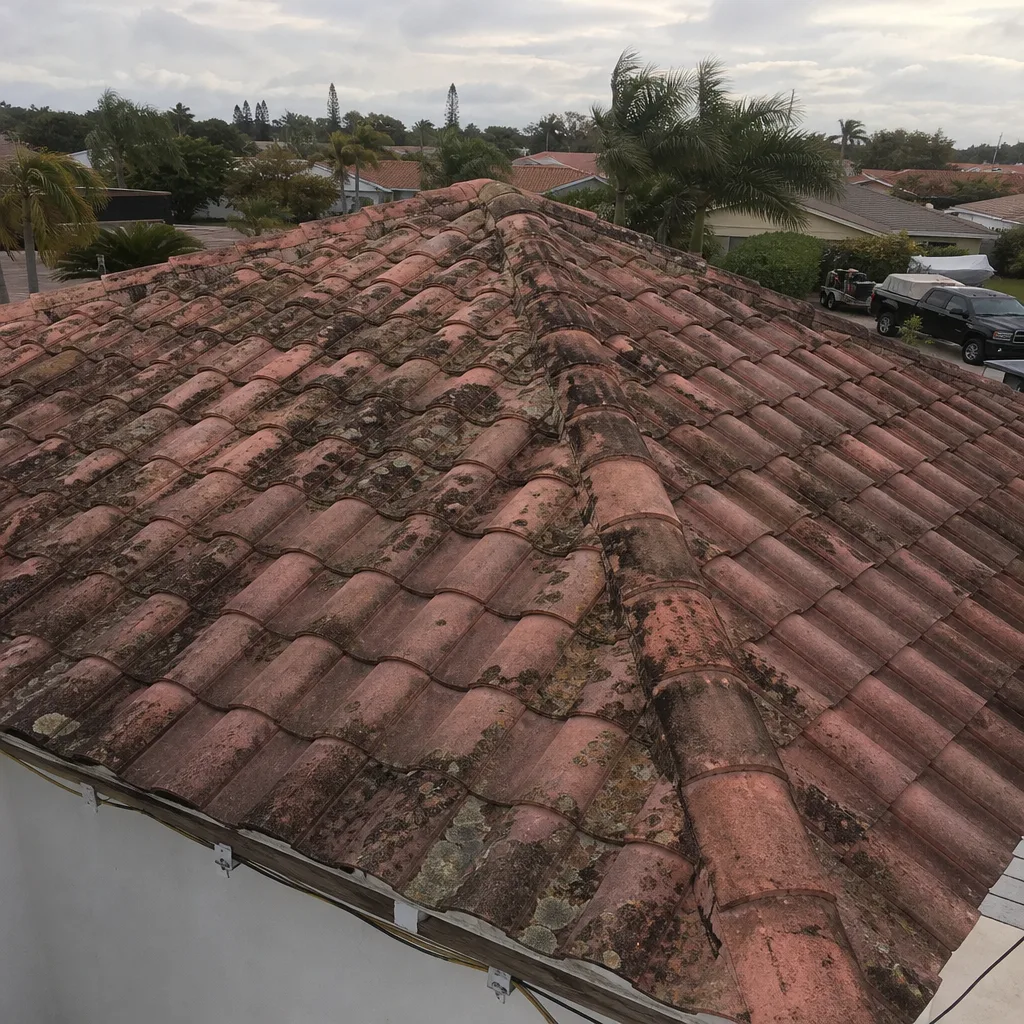 Before
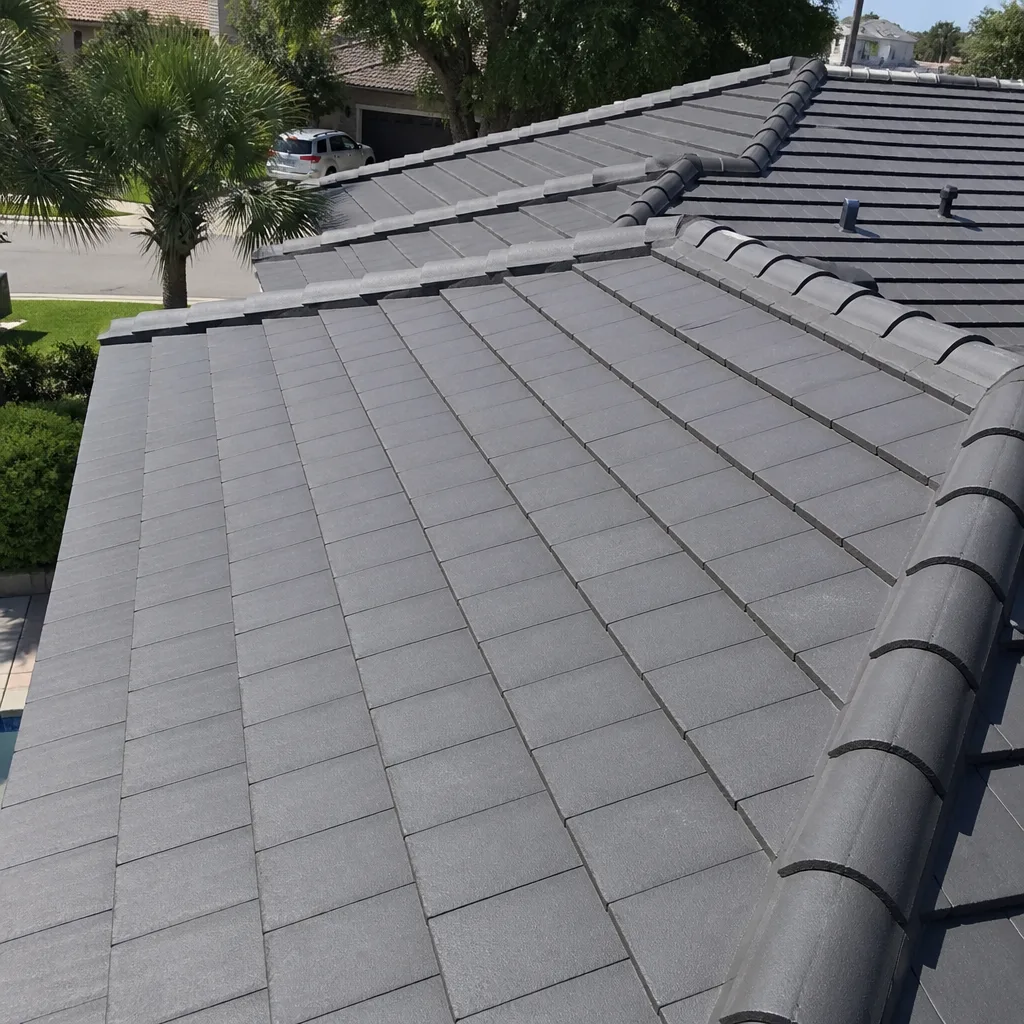 After
After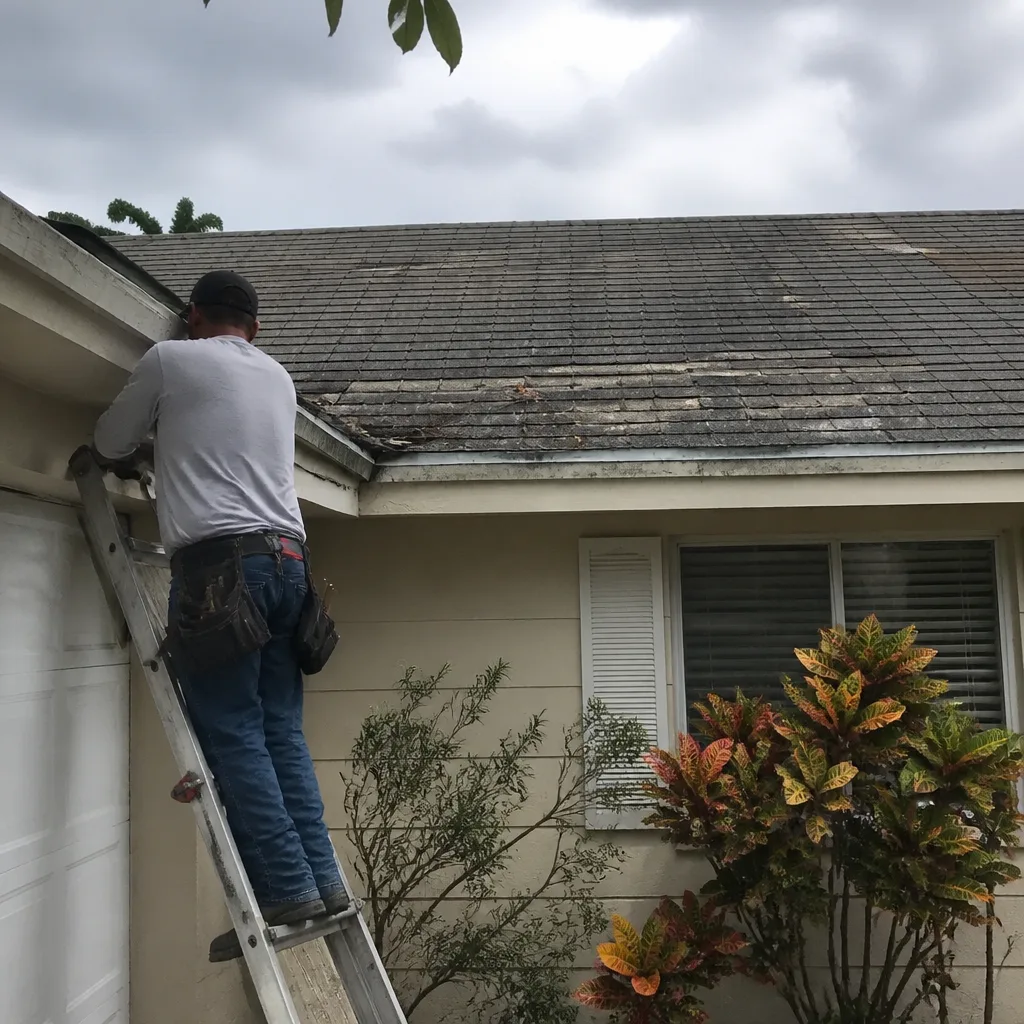 Before
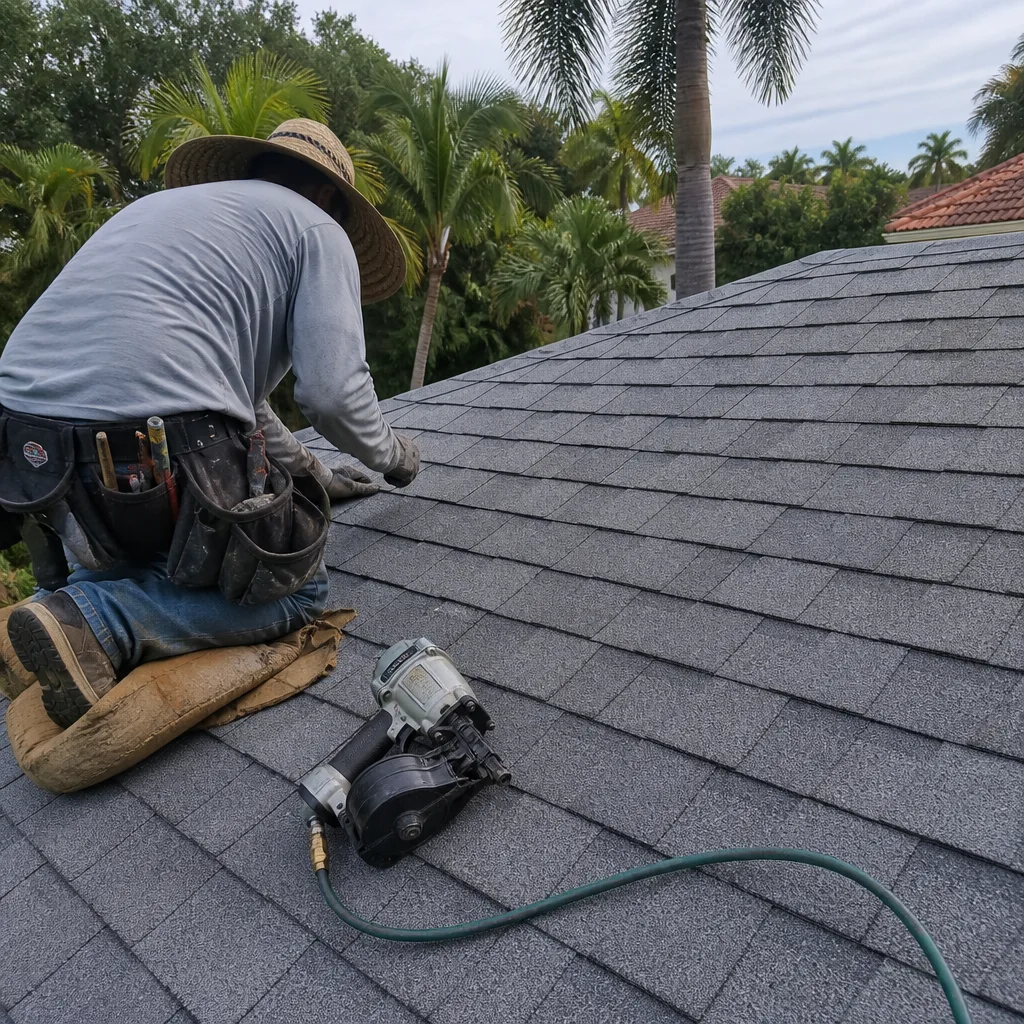 After
AfterWhen to Call a Professional
If your roof has storm damage, visible sagging, leaks that have penetrated the attic, or any repair that touches the load path, don’t guess. A licensed West Palm Beach roofing contractor can assess the condition, determine what requires a permit, and give you a written price before any work starts. Questions about your specific roof’s permit status, inspection history, or whether your materials are HVHZ-approved are exactly the kind of thing a quick call answers. Birchbark Roofing West Palm Beach offers free estimates in West Palm Beach and the surrounding area. Call (728) 220-0842 and a live person will pick up, no phone tree, no automated system.
Frequently Asked Questions
No, provided the repair covers less than 25% of the total roof surface and doesn’t involve structural changes. Replacing a handful of shingles, a section of underlayment, or a single vent collar typically doesn’t require a permit. If the damage exceeds 25%, the county treats it as a re-roof and a permit is mandatory.
Most residential roof permits in Palm Beach County municipalities cost between $150 and $600, depending on the city and the project scope. This is the municipal fee, separate from the contractor’s labor and materials. Additional re-inspection fees apply if the work fails an inspection. Call (728) 220-0842 if you want help verifying the exact permit cost for your specific roof.
Yes. Insurance carriers in Florida run standard property inspections before binding a new policy, and they cross-reference county permit records. If a roof replacement doesn’t appear in the records, the carrier will ask. If the answer is that no permit was pulled, your claim after the next storm is at risk of denial and your policy may be non-renewed.
Florida requires a permit and a full code-compliant re-roof when repairs touch more than 25% of the roof’s total surface area. The rule prevents patchwork roofs that won’t survive a hurricane. Homeowners doing what they think is a partial repair sometimes cross this threshold and unknowingly trigger the requirement.
When an inspector finds a problem, they note it and hold the job. The contractor must fix the issue and schedule a re-inspection, which costs $75 to $200 depending on the municipality. The job cannot proceed to the next stage until the issue is resolved. Delays are the most common consequence, but if the contractor tries to skip the fix, your home is left with an uncorrected code violation.
Ask for the permit number. Then verify it with the local building department in West Palm Beach or whichever municipality covers your home. Most cities have online permit lookups. A legitimate contractor provides the number without hesitation. If the answer is vague, stop the job and call (728) 220-0842 for a second opinion from a licensed Palm Beach County roofer.
The Bottom Line
Florida roof permits are not bureaucracy for its own sake. They’re the record that proves your roof was built to Hud, installed with approved materials, and inspected at every critical stage. In West Palm Beach, where hurricanes are a fact of life and insurance companies scrutinize every claim, a permitted roof is the difference between a covered repair and a denied claim. The process isn’t complicated and it doesn’t add meaningful cost. But it does require a contractor who knows the HVHZ rules, pulls permits every day, and handles inspections professionally. That’s the contractor you want on your roof.
Written by Erik Lindgren, Owner at Birchbark Roofing West Palm Beach, serving West Palm Beach since 2000.