
Last updated October 17, 2026
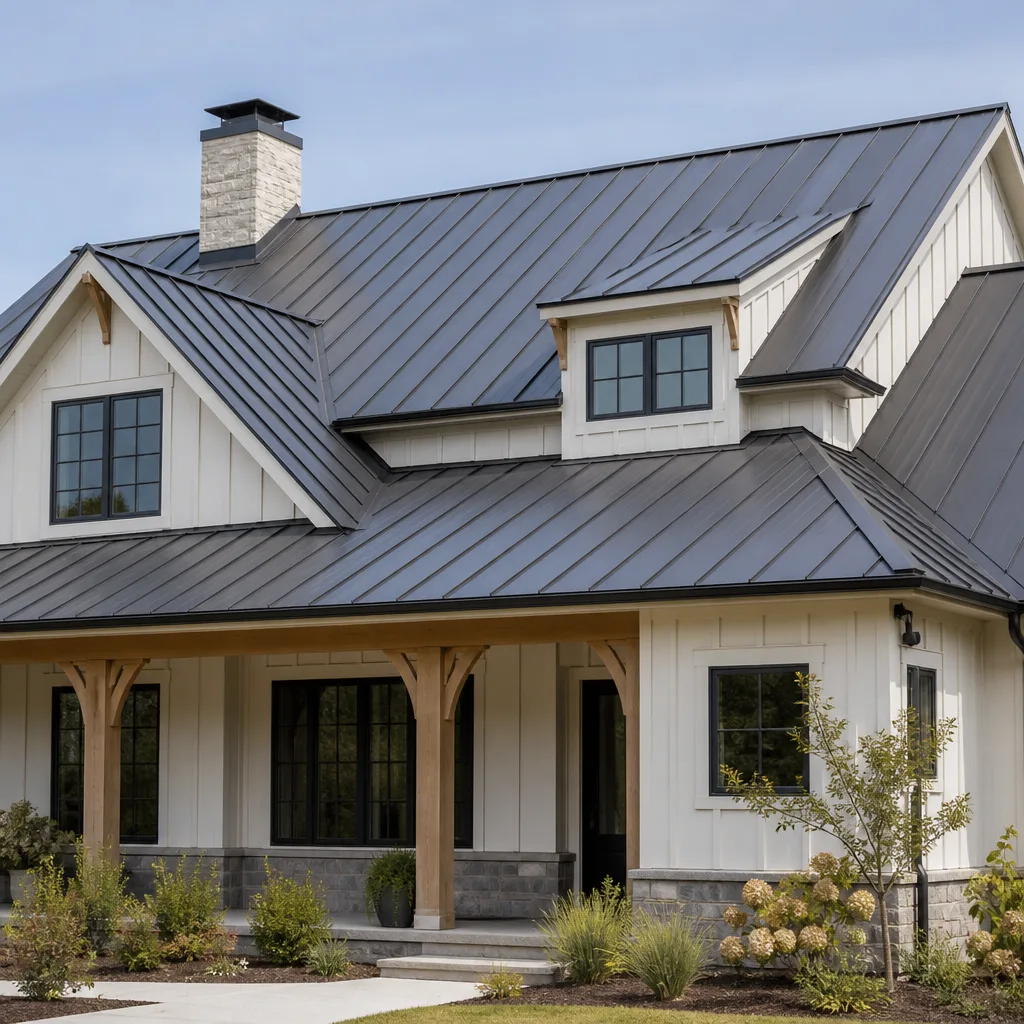 Metal roofing
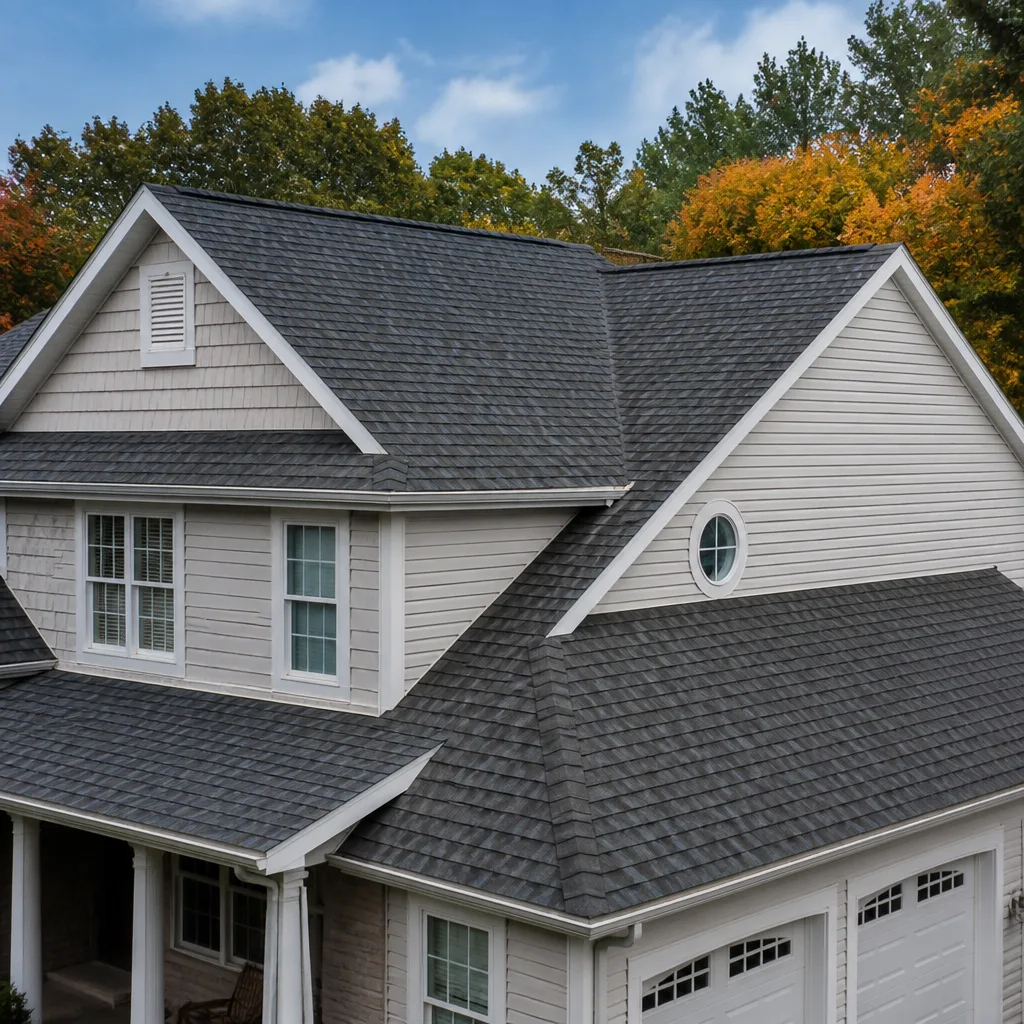 Architectural shingles
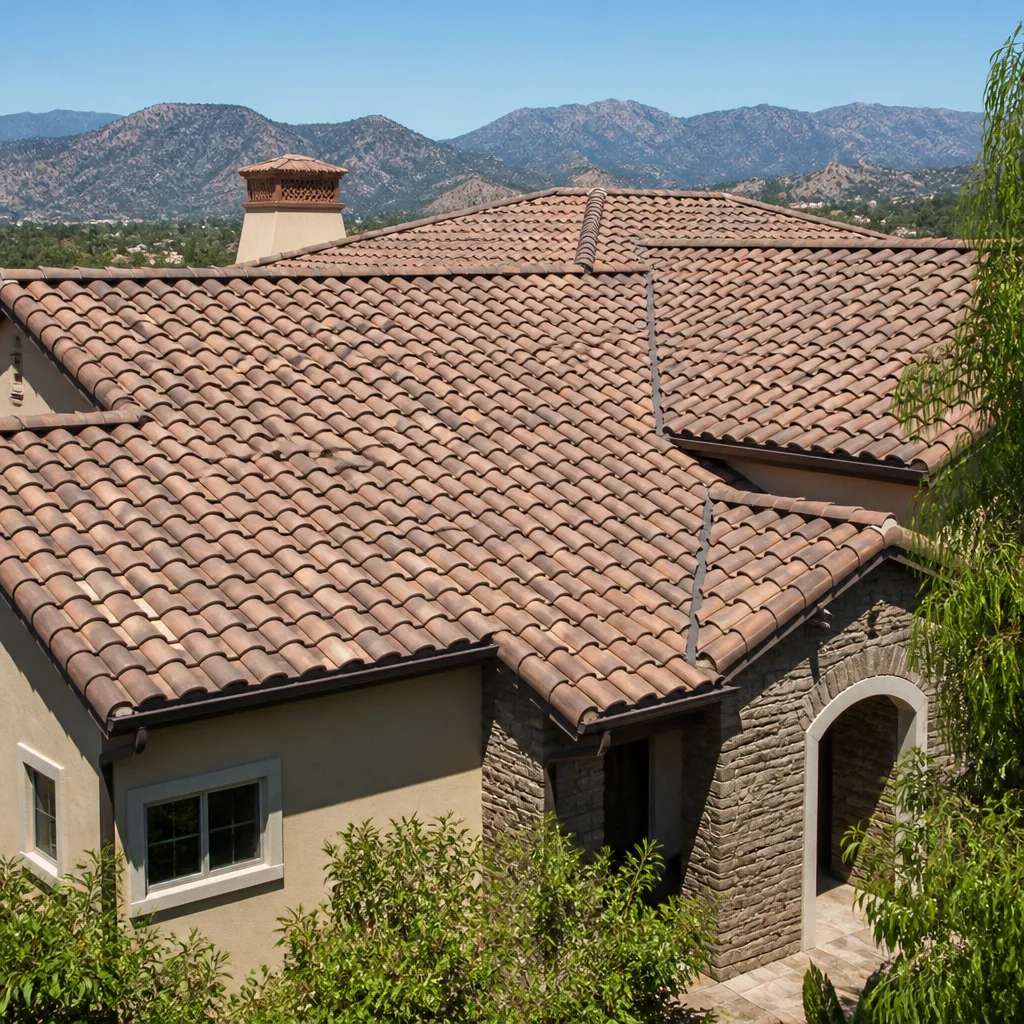 Tile roofing
 GAF
GAF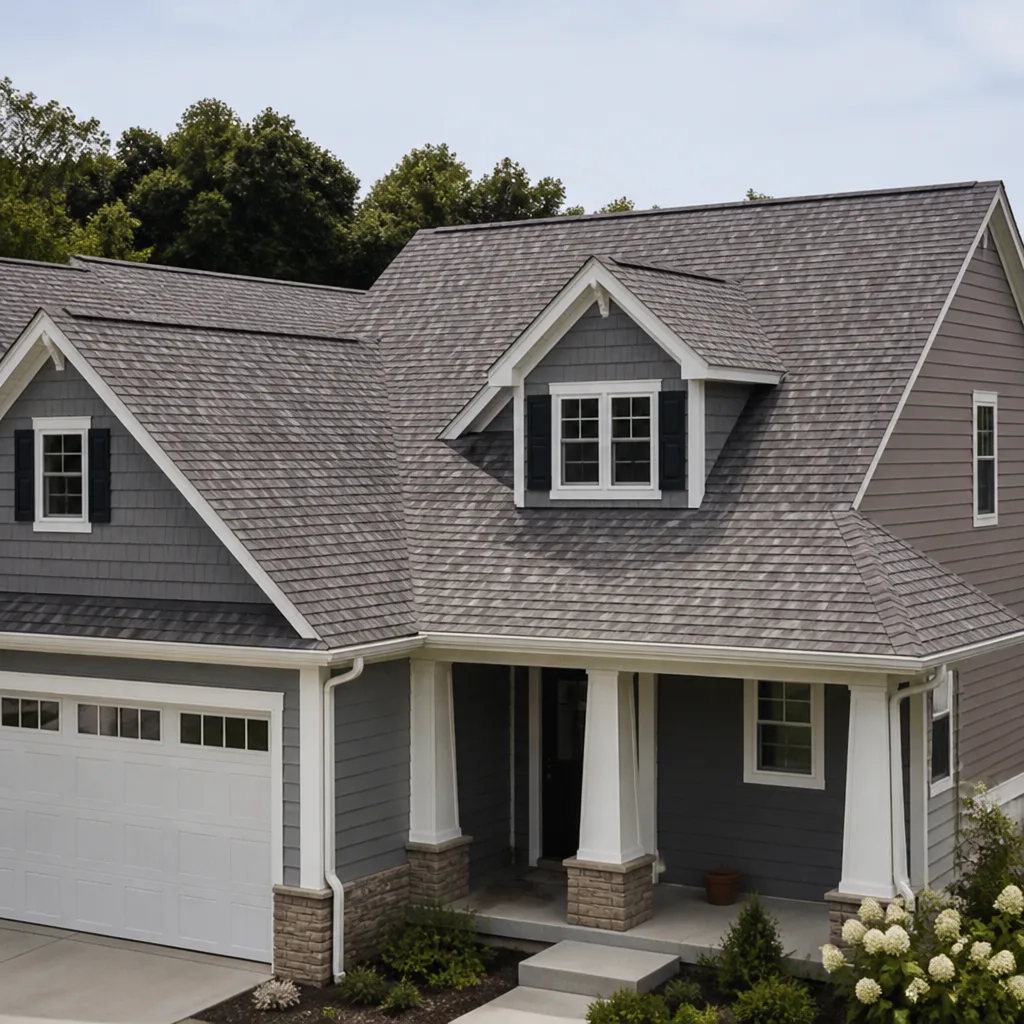 Owens Corning
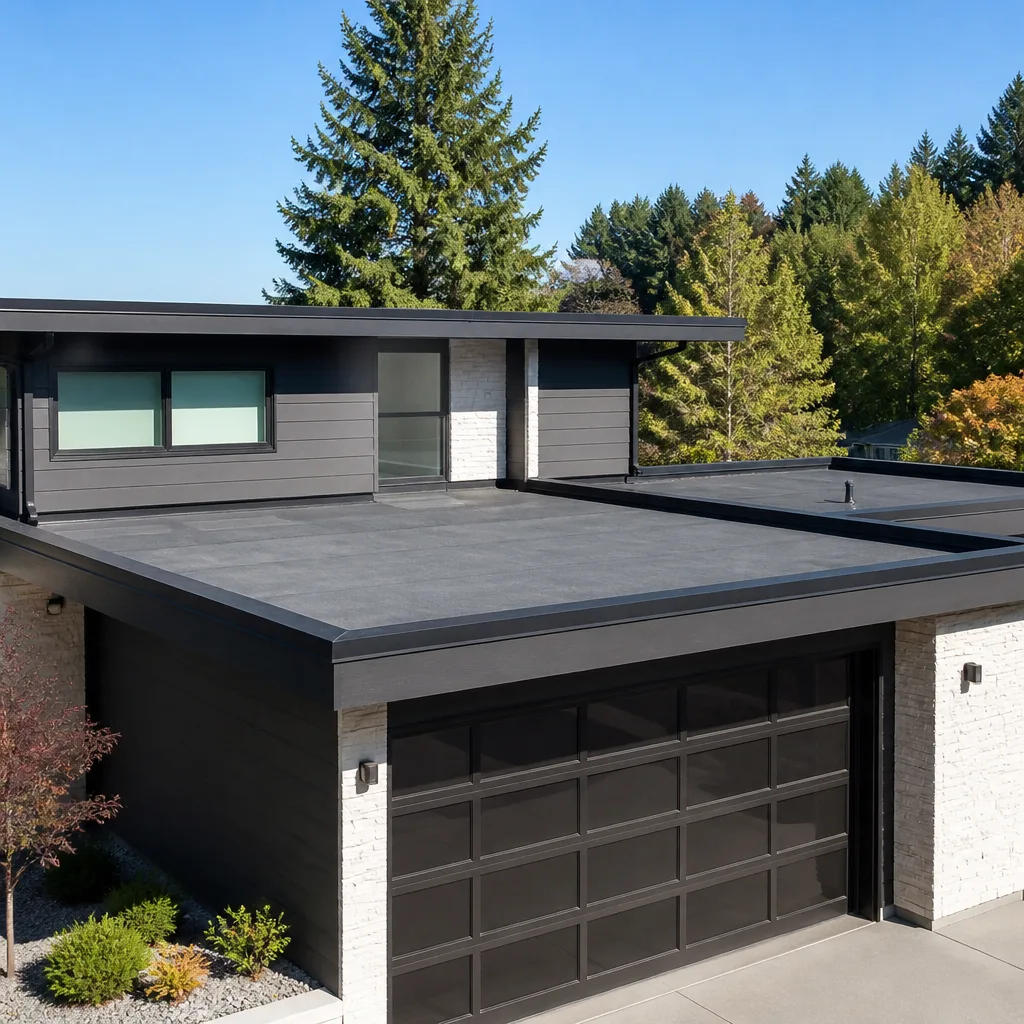 Flat & low-slope
Free roof inspection with deck photos before we talk money - GAF and Owens Corning certified installation
Roofing Warning Signs: A West Palm Beach Homeowner’s Reference Guide
Here’s a number most roofing guides won’t give you: in South Florida, a roof leak that shows up as a soft, amber-colored stain on your ceiling has usually been active for four to seven months before you noticed it. That’s how long it takes water to work through underlayment, saturate a section of plywood, and finally telegraph through drywall. By the time you see the stain, the repair is no longer just the flashing or shingle that started it. In West Palm Beach, where afternoon thunderstorms and hurricane-season wind-driven rain accelerate every small breach, understanding the earliest signs of roof distress isn’t a maintenance hobby. It’s how you keep a $300 repair from becoming a $6,000 deck replacement. This guide walks you through what a failing roof looks like six to eighteen months before it fails, and why South Florida’s climate makes those signs different from what national guides cover for West Palm Beachs describe.
Quick Answer
The first warning signs of roof trouble in West Palm Beach are granule accumulation in gutters, rust streaking on fascia near flashing, and interior stains that appear only during wind-driven rain. If your roof is over 12 years old and you notice any of these, schedule an inspection before hurricane season. Most early-stage repairs cost between $300 and $900; the same problems left through one more storm season become $4,000 to $11,000 replacements.
Styles & brands we work with
Table of Contents
- Five Warning Signs Visible From the Ground
- Interior Warning Signs That Precede Exterior Damage
- Cosmetic vs. Structural Cracks in Tile Roofs
- Flashing-Specific Warning Signs
- The Granule Accumulation Test for Asphalt Shingles
- Why South Florida Accelerates Roof Failure
- Common Mistakes to Avoid
- When to Call a Professional
- Frequently Asked Questions
Five Warning Signs Visible From the Ground
You don’t need a ladder to catch most early roof problems. Stand at the street or the back corner of your yard on a clear afternoon and look. Here are the five signs we see most often on roofing company in West Palm Beach inspections, each with the South Florida context that makes it more urgent here than in drier parts of the country.
1. Granule Loss Visible as Color Bleeding
Asphalt shingles shed granules as they age. Hold this test in mind: if the shingles on one slope look noticeably lighter or more gray than the shingles on another slope, you’re not seeing dirt. You’re seeing granule loss, and it means the asphalt layer beneath is starting to bake. West Palm Beach’s UV index is higher than anywhere in the continental U.S. outside the desert Southwest, and heat is the primary granule killer. A roof that’s losing granules unevenly on the western exposure is sending a clear signal: that slope has maybe two to four years left. The eastern slope might have seven. Both matter for budgeting.
2. Curling at the Shingle Edges
Look for shingle corners that lift upward, particularly near the roof’s ridge or along the edges. In South Florida humidity, curling doesn’t look like the dramatic flipping you see in photos from Arizona. It looks like a slight wave across the roof surface, like a sheet of paper left in the sun too long. Curling means the shingle’s fiberglass mat is drying out and losing its structural memory. Once a shingle curls, it stops lying flat against the shingle below it, and in a wind event, that’s the shingle that goes first. Curled shingles are not a repair item. They signal that section of the roof is in replacement territory.
3. Missing Shingles on the Entire Slope, Not the Ridge
National guides tell you missing shingles are a warning sign, which is true but incomplete. What we look at is where they’re missing. Shingles missing at the ridge or hip lines usually mean nail failure or age-related brittleness, which is repairable. Shingles missing in a pattern across a slope, especially on the windward side, mean the roof is taking structural wind pressure it’s no longer rated to handle. After a near-miss storm, scan the roof for scattered shiny spots where shingles used to be. The pattern tells you whether you’re looking at a repair or a wind-rating failure.
4. Sagging at the Eaves or Between Rafters
This one is harder to see from the ground, but on a low-pitch roof, the eye can catch it. Look along the line where the roof meets the fascia. If it’s straight, good. If it dips, even slightly, between two points, water has been getting into the deck and softening plywood. West Palm Beach’s afternoon storms deliver water faster than most roofs can shed it, and a sag is evidence that water’s winning. A sag near the eaves is often a gutter-related problem. A sag mid-slope is decking damage. Both are emergency-level if left.
5. Moss or Algae in a Pattern That Follows Water Flow
Algae streaks are cosmetic, mostly, and nearly every roof in South Florida gets them. But moss that grows in a vertical stripe down a slope is different. It means water is channeling in that spot, day after day, week after week. Moss needs continuous moisture to survive, and if it’s thriving on your roof, something up-slope is feeding it. In West Palm Beach, that’s usually a cracked tile, a failed pipe boot, or a section of gutter that’s been dumping overflow onto the roof. The moss itself isn’t the problem. It’s the trail marker pointing to the problem.
Interior Warning Signs That Precede Exterior Damage
The inside of your house tells you more about your roof’s future than the roof does. Water follows gravity, and by the time it shows up on a ceiling, it’s passed through several layers that each absorbed damage you haven’t seen yet. Here are the interior signs that show up first, often months before anything looks wrong outside.
Attic Humidity Above 60%
If you have a hygrometer in the attic, or you’ve ever gone up there on a dry afternoon and felt air that belongs in a greenhouse, that’s a roof ventilation problem, not just a Florida humidity problem. Attic humidity above 60% on a non-rainy day means either your ridge vent or soffit vents aren’t moving air, or there’s a small, persistent leak keeping the insulation permanently damp. Either way, the fix is roof-level, not attic-level. We’ve seen homeowners in West Palm Beach run dehumidifiers in their attics for a year fighting this, when the actual problem was a clogged soffit vent that cost $150 to open.
Paint Bubbling on Ceilings Under Low-Slope Sections
West Palm Beach has thousands of homes with flat or low-slope additions: sunrooms, carports, extended lanais. Those sections drain differently than the pitched roof and they fail differently too. If you see bubbling or blistering in ceiling paint under a low-slope section, even in a dry week, water is pooling somewhere above and wicking into the drywall. The bubble forms because the moisture is trapped between the paint film and the plaster. It’s not an old-paint problem. It’s a flashing or membrane problem.
Door Frames That Stick After Dry Spells
This is the one sign that surprises people. Humidity causes wood to swell. But a door frame that sticks only after a week without rain, when the air is actually drier, means the frame’s moisture content isn’t tracking the weather. It’s tracking a leak somewhere in the wall cavity above. Water running down the inside of an exterior wall from a roof leak will localize around door and window headers. If a door that closed fine during the rainy season starts sticking during the dry season, look up. Your roof is involved.
Cosmetic vs. Structural Cracks in Tile Roofs
Concrete and clay tile roofs are common across West Palm Beach, and they fail differently than shingle roofs. The key distinction: not every crack means your roof is failing. Some cracks are cosmetic. Some are structural. Knowing the difference saves you from filing an insurance claim that gets denied, or skipping a repair that gets expensive.
Cosmetic cracks: Hairline fractures, usually under 1/32 of an inch wide, running along the surface of the tile without penetrating the full thickness. These happen during manufacturing, transport, or installation. They don’t let water through because the underlayment below the tile is the actual water barrier. In a concrete tile roof, the tile itself is not waterproof. It’s the first defense. A cosmetic crack lets water reach the underlayment a little faster, but underlayment is designed for exactly that job.
Structural cracks: Cracks that run fully through the tile, cracks wider than 1/16 of an inch, or cracks that cause pieces of the tile to actually separate. In concrete tile, a structural crack usually means the tile was installed with too much unsupported overhang or the roof deck is flexing underneath. In clay tile, structural cracks often indicate impact damage from debris or foot traffic. Structural cracks matter because they expose the underlayment to direct UV, and in a West Palm Beach afternoon storm, they channel water into one spot instead of letting it sheet across the tile surface.
Here’s the practical rule we give homeowners: if you can see the crack from the ground with your naked eye, it’s worth a closer look. But do not walk on a tile roof to inspect it. Tile is brittle, foot traffic causes more cracks than storms do, and the fall risk from a wet tile roof is serious. We inspect tile roofs from the edge and with drone-assisted photos when necessary, without putting weight on the tiles themselves.
For insurance purposes, structural cracks from a storm event are typically claimable. Cosmetic cracks are not, and filing a claim for cosmetic cracking usually leads to a denial and a record of the claim. Before you call your insurance company, get a professional assessment of whether the crack penetrates the tile. A good roofer will document the difference in writing, with photos.
Flashing-Specific Warning Signs
Flashing is the unsung hero of roof construction and the source of the majority of leaks we repair in West Palm Beach. Flashing is the metal, usually aluminum or galvanized steel, that seals the joints where a roof changes plane or meets something that penetrates it: chimneys, walls, skylights, and plumbing vents. When flashing fails, the shingles or tiles around it are usually still in fine shape. The warning signs are specific and they show up in specific places.
Rust Streaking on Fascia
If you see reddish-brown streaks running down the fascia board anywhere along your roofline, that’s not a house painting problem. That’s oxidized metal from deteriorating flashing being carried by rain runoff. The streaking usually appears below the flashing joint first, because that’s where the water carries the rust down. Aluminum flashing doesn’t rust, but galvanized steel does, and many older West Palm Beach homes have steel flashing. Once flashing starts rusting, it’s developing pinholes, and pinholes become leaks within one to two years.
Interior Staining That Appears Only During Wind-Driven Rain
This is the one that makes homeowners think they’re imagining things. A stain will appear on a bedroom ceiling during a windy storm but stay completely dry during a straight-down rain. The explanation: wind-driven rain moves horizontally, and it pushes water under flashing laps that are doing fine when rain falls vertically. This means the flashing is starting to lift or the sealant at the flashing edge has failed on the windward side. It’s an early-stage problem, and it’s very repairable. But it needs to be addressed before the next named storm, because that’s exactly the condition that turns a small stain into a ceiling collapse during hurricane season.
Lifted Counter-Flashing at Chimneys or Walls
Counter-flashing is the second layer of metal that sits over the base flashing at walls and chimneys. It’s embedded in the mortar or the wall and overlaps the base flashing like a sleeve over a cuff. When counter-flashing lifts, even a quarter inch, water gets behind it and runs down the wall cavity, not the roof surface. You’ll see the lifted metal from the ground if you look at a chimney or wall joint from the side. In West Palm Beach, this is a common failure point on homes built in the 1990s and 2000s, when builders used faster flashing methods that don’t hold up to forty years of tropical storms.
The Granule Accumulation Test for Asphalt Shingles
Asphalt shingle roofs give you a unique diagnostic tool: the granules themselves. As shingles age, they shed granules, and those granules wash down the roof and collect in the gutters and at downspout splash blocks. Here’s how to measure what you find and what it tells you.
Step 1: Find a Clean Downspout Splash Block
Pick a downspout on a corner of the house where you can see what’s washing off that section of roof. Clear it completely. Then wait for the next full rainstorm.
Step 2: Collect What Washes Off
After the storm, look at what’s pooled around the splash block. A small amount of granules is normal. Shingle roofs shed modest granules their entire life. The question is volume.
Step 3: Interpret the Volume
- Light dusting, can count the granules: Normal. The roof is in the middle of its service life.
- Thin layer, enough to form a visible line: Early-stage granule loss. Start budgeting for replacement in 4 to 6 years.
- Half a teaspoon per splash block: Moderate to heavy granule loss. The shingles are losing their UV protection. Replacement funding should be planned in 2 to 4 years.
- More than a teaspoon, or granules visible in multiple downspouts: The roof is shedding. Sections may be defenseless against UV and impact. Schedule an inspection this season.
Step 4: Check the Gutter Corners
If you can safely reach a gutter corner, look for granule piles. Granules tend to collect at the inside corners of gutters before washing down the downspout. A pile the size of a quarter in two or more corners confirms active granule loss, particularly on older GAF and CertainTeed shingle lines that used a looser granule embedment formula than newer installations.
For West Palm Beach homeowners, the granule test is more useful than visual inspection alone, because heat-driven granule loss happens before shingles start curling or cracking. You get two to three additional years of early warning, which is enough time to get multiple quotes and choose your contractor on your schedule instead of in the week after a storm.
Many of the roofs we replace in the neighborhoods around Okeechobee Boulevard and south of Southern Boulevard are pulled off homes where the homeowners knew something was wrong but didn’t have a measurement they trusted. The granule test gives you a concrete number. Numbers make decisions easier.
Why South Florida Accelerates Roof Failure
A roof in West Palm Beach ages differently than a roof in Ohio or even in North Florida, as we explore in our Seasonal Roofing Care for West Palm Beach: Year-Round Homeowner’s Guide. South Florida combines three factors that each independently shorten roof life, plus a fourth that compounds the first three.
UV exposure: Latitude matters. West Palm Beach sits at 26.7 degrees north, which means the sun strikes the roof at a higher angle and with more intensity than anywhere in the northern United States. Asphalt shingles in South Florida absorb enough UV to degrade their asphalt binder years earlier than the same product installed in the Midwest. This is why many shingle manufacturers publish different warranty terms for South Florida installations, and it’s why we discuss roof replacement in West Palm Beach timelines honestly with homeowners.
Daily thermal cycling: In summer, the temperature on a South Florida roof surface can swing from 70 degrees before dawn to 160 degrees at 2 p.m., nearly a 100-degree daily cycle. That repeated expansion and contraction works on every seam, nail, and adhesive strip. It’s a fatigue process, and it’s why South Florida roofs develop nail pops and flashing stress earlier than cooler climates. A roof in a stable climate has one thermal cycle per day too, but the amplitude here is what kills it.
Humidity’s secondary effect: It’s not just that high humidity is uncomfortable. It’s that night air in West Palm Beach often stays above 90% humidity, which means a roof that absorbed heat all day doesn’t dry out completely at night. Even a small leak in South Florida becomes a mold and rot problem faster than in a dry climate, because the water never fully evaporates. Decking that would survive a minor leak in Phoenix rots through in two seasons here.
The hurricane-season reality: A roof that’s already structurally weakened by UV, thermal fatigue, and moisture is then subjected to wind loads no other part of the country experiences. The greatest risk in West Palm Beach isn’t a Category 5 direct hit. It’s the outer bands of a Category 1 or 2 storm that delivers sustained 40 mph wind for six hours against a roof that has already lost its margin. Most hurricane roof failures happen at wind loads well below the roof’s original rating, because the roof isn’t the same thing it was when it was installed.
Together, these factors mean the lifespan estimates national guides give for roofing materials don’t transfer to Palm Beach County. A 30-year architectural shingle might see 18 to 22 years in West Palm Beach before it needs replacement. A 50-year tile underlayment might need renewal at 25. The materials don’t fail faster because they’re bad products. They fail faster because the environment is harder.
If you’re evaluating your roof’s condition, start from the South Florida timeline, not the national one. It changes the math on repairs versus replacement, and it changes when you should start planning. Roof repair in West Palm Beach that catches early-stage problems before the thermal damage compounds is the most cost-effective service we offer.
Common Mistakes to Avoid
- Waiting for the interior stain to investigate. By the time a leak shows up on a ceiling, the decking below the leak has likely been wet for months. Inspect from the outside before you see interior signs. A roof that hasn’t leaked yet is not necessarily a roof that’s fine.
- Painting over ceiling stains instead of finding the source. Kilz primer and ceiling paint will hide a stain for a season, but the water source is still active. If the stain returns in the same shape, you now have two layers of damage to repair and you’re further from the source.
- Filing insurance claims for cosmetic tile cracks. Cosmetic cracks don’t penetrate the tile and don’t affect roof function. Claims for cosmetic cracks get denied and the claim stays on your record. Get a professional assessment first.
- Walking on your tile roof to inspect it. Tile roofs are not foot-traffic-rated surfaces. Every step risks cracking tiles that were fine, and a cracked tile you caused is now your problem. We see this constantly in West Palm Beach neighborhoods with barrel tile roofs.
- Ignoring granule loss because the shingles still look flat. In South Florida, granule loss is the leading edge of deterioration. It shows up before curling, before cracking, before leaks. If you’re seeing heavy granules in the gutters, you’re seeing an early warning, not a cosmetic issue.
- Treating every roofing company as interchangeable. Roofing in West Palm Beach is a high-stakes purchase because the climate demands specific material choices and installation methods. Companies that don’t know South Florida roof assemblies can install a roof that meets national building code but fails early in local conditions.
- Assuming a newer roof is a healthy roof. We’ve replaced roofs that were 8 years old because of incorrect installation or substandard materials. Age is a data point, not a diagnosis. The specific products and installation matter as much as the install date.
When to Call a Professional
If you’ve spotted granule accumulation that measures more than a teaspoon at a splash block, rust streaking on fascia, a sag in the roofline, interior staining during wind-driven rain, or cracked tiles that penetrate the full tile thickness, it’s time for a professional inspection. These are the signs that indicate active deterioration, not just age. A professional roofer can map the damage, determine what’s repairable versus what’s end-of-life, and give you a written estimate that lets you plan the work on your schedule. Birchbark Roofing West Palm Beach home offers free estimates throughout West Palm Beach. Call (728) 220-0842 to schedule yours. A live person picks up the phone, day or night, and you’ll get a written price before any work begins.
Frequently Asked Questions
Roof inspections in West Palm Beach typically cost between $150 and $400 depending on the roof type, accessibility, and whether a written report is required for insurance purposes. Birchbark Roofing West Palm Beach includes a roof inspection as part of every free estimate, which means you don’t have to pay a separate fee to learn what you’re working with. For insurance-driven inspections or post-storm assessments that require formal documentation, we’ll give you the exact inspection price in writing before anyone climbs on the roof.
Yes, you can spot early-stage roof deterioration from the ground, but you’ll catch more from two angles than from one. Stand at the street and look for granule color differences between slopes, then walk to the back corner of the lot and look at the roof in raking light, which shows curling and sagging that direct overhead sun hides. The indicators visible from the ground are granule loss, uneven shingle color, curling at the edges, missing shingle patterns, and rust streaking near flashing. What you can’t see from the ground is flashing separation at the roof surface, decking softness, and underlayment condition, which is why a professional inspection still matters even when the ground view looks clean.
In West Palm Beach, with its UV intensity, daily thermal cycling, and hurricane-season exposure, an annual roof inspection is the recommended cadence. Two inspections per year, one before hurricane season and one after, is better if your roof is over 10 years old. The pre-season inspection catches problems before storms stress them, and the post-season inspection catches wind damage while repairs are still small and insurance documentation is fresher. Some insurance carriers in Florida now require annual or semi-annual inspection documentation to maintain full coverage on older roofs.
Pipe boot flashings, the rubber or metal collars around plumbing vents, are the most common leak source on West Palm Beach roofs. The rubber boots degrade from UV exposure within 8 to 12 years in our climate, usually before the shingles around them fail. The resulting leak typically appears as a ceiling stain in a bathroom, kitchen, or hallway directly below the vent line. The repair is usually under $400, but if left through a hurricane season, the same leak can rot surrounding decking and turn a flashing repair into deck replacement.
Homeowner’s insurance covers roof replacement in West Palm Beach when the damage is sudden and accidental, such as wind from a named storm, a tree falling, or hail. It does not cover replacement due to age, normal granule loss, or gradual deterioration. Given Florida’s specific insurance rules around roof age, many insurers on homes with roofs over 15 years old require documentation of roof condition, and some require actual replacement to maintain coverage. Before filing, get a written professional assessment so you know whether the damage meets your policy’s standards for a covered event.
In West Palm Beach, a standard architectural asphalt shingle roof installed to code typically lasts 18 to 22 years before replacement, compared to the 30-year lifespan advertised for the same product in milder climates. The gap is driven by UV intensity, daily temperature swings, humidity, and storm cycles. Tile and metal roofs in the same climate can last 40 to 50 years on the surface material, though the underlayment below tile usually needs renewal at the 25-year mark. If your shingle roof is over 18 years old, the practical advice is to inspect it honestly and plan for replacement before the next hurricane season rather than waiting for visible failure.
The Bottom Line
The goal of this guide is not to make you afraid of your roof. It’s to give you the early-warning tools that let you choose your timing, your contractor, and your budget instead of having a storm choose for you. The signs of roof failure in West Palm Beach show up early if you know where to look: granule volume in gutters, rust streaking on fascia, interior stains during wind-driven rain, attic humidity that doesn’t dry out, and tile cracks that penetrate the surface. Each of these gives you a specific window of action. If you’ve spotted any of them, document what you see and get a professional assessment. For more guides & resources, explore our blog. Written information, specific to your roof, is the difference between a planned repair and an emergency replacement.
Written by Erik Lindgren, Owner at Birchbark Roofing West Palm Beach, serving West Palm Beach since 2000.
See the difference
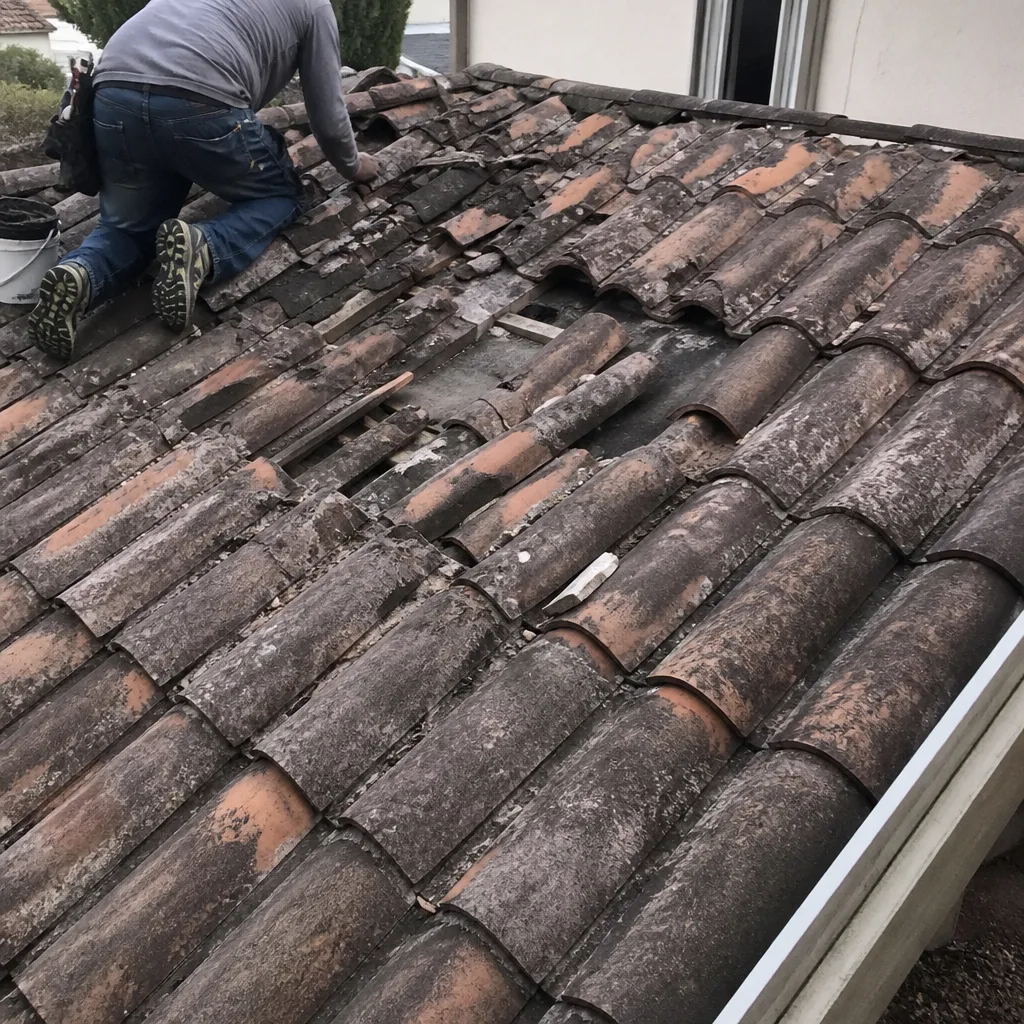 Before
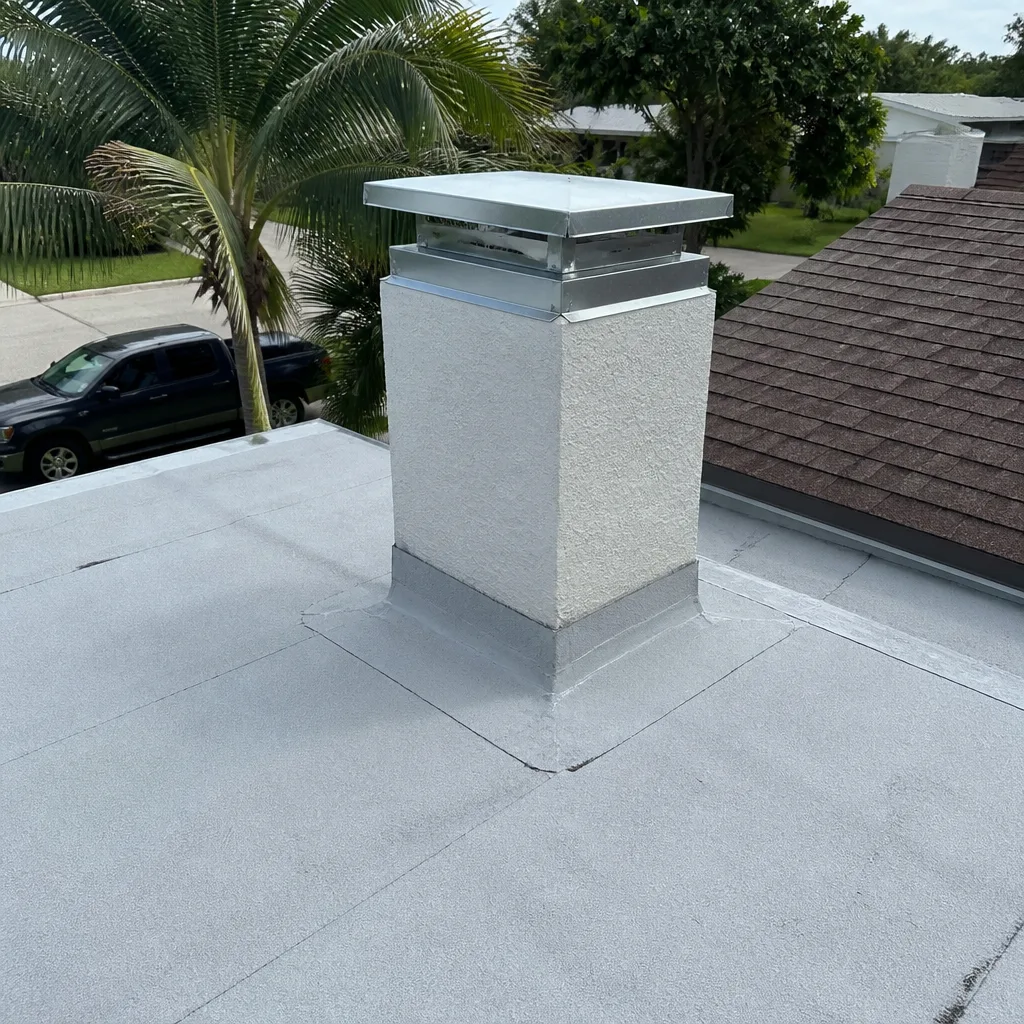 After
After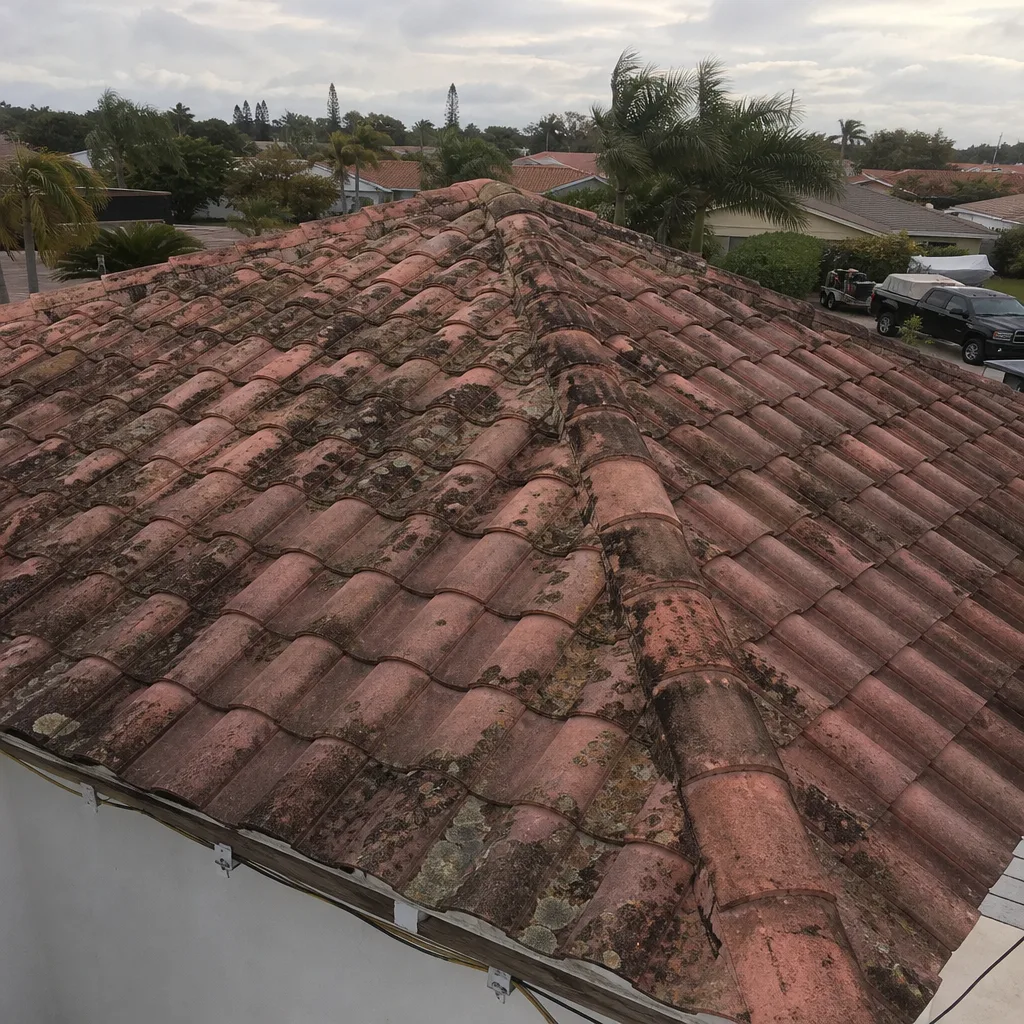 Before
 After
After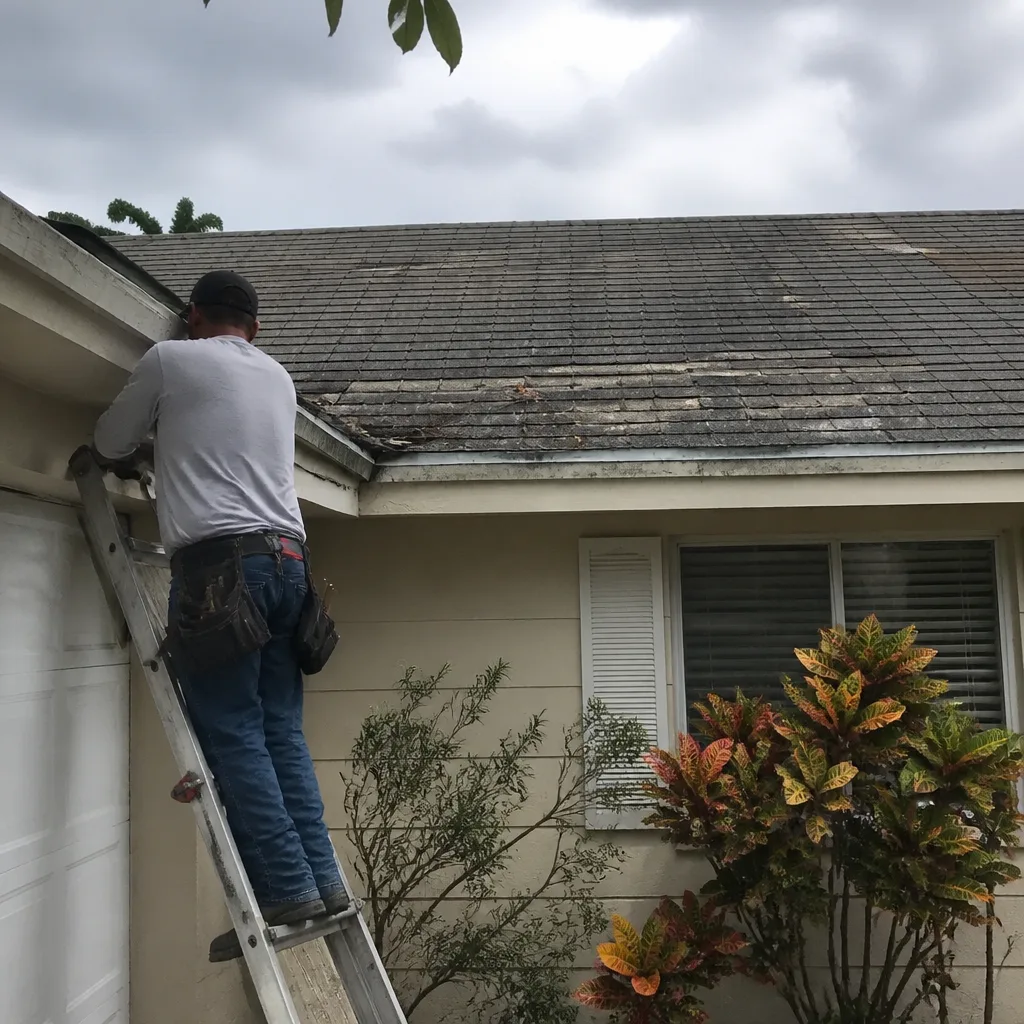 Before
 After
After